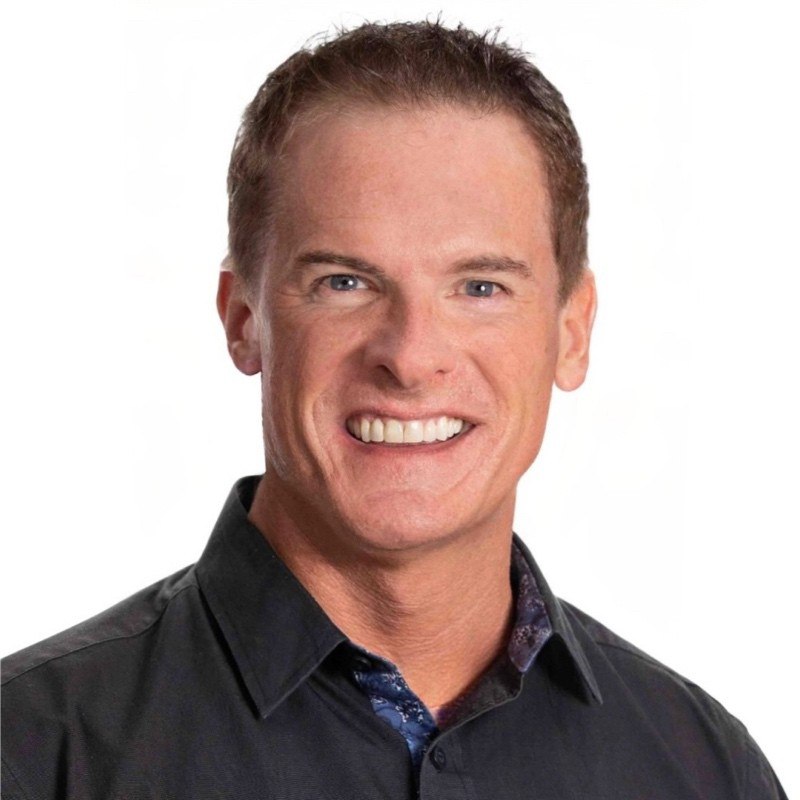
Paul Arrendell
Senior Leader in quality and engineering
27.01.2026
Please introduce your company and describe your role as CEO within the organization.
I’m not a CEO. I’m a senior leader in quality and engineering. My focus has always been building systems that help teams operate reliably across complex industries. Most of my work has been in medical devices and diagnostics, leading quality and compliance functions at organisations like Abbott Diagnostics, Wright Medical, KCI Medical, and Becton Dickinson.
What is your company’s core business model – do you use an in-house team, third-party vendors, or a hybrid approach?
Most of my work has been with in-house teams. Quality systems are tightly connected to operations, so proximity matters. That said, I’ve partnered with external auditors, consultants, and technology vendors where needed—especially for regulatory guidance or automation tools.
How does your company differentiate itself from competitors in a crowded market?
Our edge has been consistent process discipline. While others focus on short-term speed, we focus on repeatability and scale. That’s what regulators want, and it’s what teams need. We build systems that don’t rely on individual heroics.
What are the primary industries or sectors you serve, and how has that focus evolved over time?
Mainly medical manufacturing and diagnostics. Over time, the complexity has grown. More international sites. More regulatory variation. We’ve had to build systems that hold up across multiple countries, not just one plant.
What are the most in-demand services or solutions that clients approach your company for?
Internally, the most critical needs are around compliance readiness, audit preparedness, and system design. Teams want systems that can scale but also pass inspection—without adding friction.
How do you personally stay ahead of industry shifts when most data is already yesterday’s news?
I listen more than I read. I spend time with auditors, frontline engineers, and regulatory consultants. They see problems before they become headlines. I also stay involved with advisory boards, which keeps me connected to academic and operational shifts.
Do you have a significant percentage of repeat clients? If so, what strategies contribute to that loyalty?
In my case, it’s repeat trust across teams and departments—not external clients. Consistency and delivery earn internal buy-in. I document what works. I show people how their work fits the system. That helps build long-term confidence.
How do you measure and ensure high customer satisfaction in your operations?
I track system reliability. Fewer escalations, fewer last-minute fixes, fewer surprises in audits. If issues drop and teams don’t need to call me, that’s a good sign.
What kind of post-project support do you provide to address client queries or ongoing needs?
After launch, we monitor performance. We build review cycles into the system—monthly checks, quarterly feedback. It’s built-in, not bolted on. That keeps issues visible.
Describe your pricing and billing structure – is it fixed cost, pay-per-milestone, or another model?
Not applicable in my role. I’ve worked inside organisations with salaried teams and fixed project budgets.
What is the typical price range for projects you’ve handled in the past year, and how do you balance affordability with value?
Budgets have ranged from site-specific upgrades to global system rollouts. We balance cost by reducing rework. A strong process reduces risk, which saves money in recalls and delays. That’s where the value shows up.
Have you turned down projects based on budget or scope? If so, what are your minimum requirements?
Yes. I’ve pushed back on projects that lacked alignment or ownership. If no one owns the outcome, it’s not a real project. We need clear objectives, support from leadership, and space for the team to execute.
What key challenges has your company faced in the last few years, and how did you overcome them?
Global harmonisation was a big one. Different sites were doing similar tasks in different ways. That created audit risk. We fixed it by building a single process backbone with room for local variation. That helped us pass audits across five countries in under a year.
How do you foster innovation and adapt to emerging trends in your industry?
I make systems flexible by design. If a process can’t change without breaking, it’s not useful. We use modular steps, clear handoffs, and visible metrics. That allows teams to adapt without starting from scratch.
What role does company culture play in your success, and how do you build and maintain it?
Culture matters more than tools. If people aren’t safe to raise issues, the system breaks. I focus on clarity and ownership. People don’t need motivation—they need structure that works.
Where do you envision your company in the next 5–10 years? What are your boldest long-term goals?
I want to see more teams building systems that outlive them. My long-term goal is to help more organisations think that way. I also want to mentor the next generation of engineers and system builders.
How has your leadership style evolved throughout your career, and what influences it?
I’ve shifted from fixing problems myself to building processes that let others solve them. I care less about being the expert and more about being the architect. Structure scales better than skill.
What emerging technologies or market shifts are you most excited about for your company?
I’m excited by real-time process analytics. Tools that surface friction early—before audits, before failure. When combined with strong system design, they can reduce a lot of waste.
What advice would you give to aspiring CEOs? Can you share one lesson from your journey that resonates with the business community?
Know your systems. Don’t rely on people to catch failure. Build structure that prevents it. One lesson that sticks with me: If your process only works because one person knows the workaround, you don’t have a process—you have a patch.