
Sahil Gandhi
FOUNDER AND CEO
Blushush & Ohh My Brand
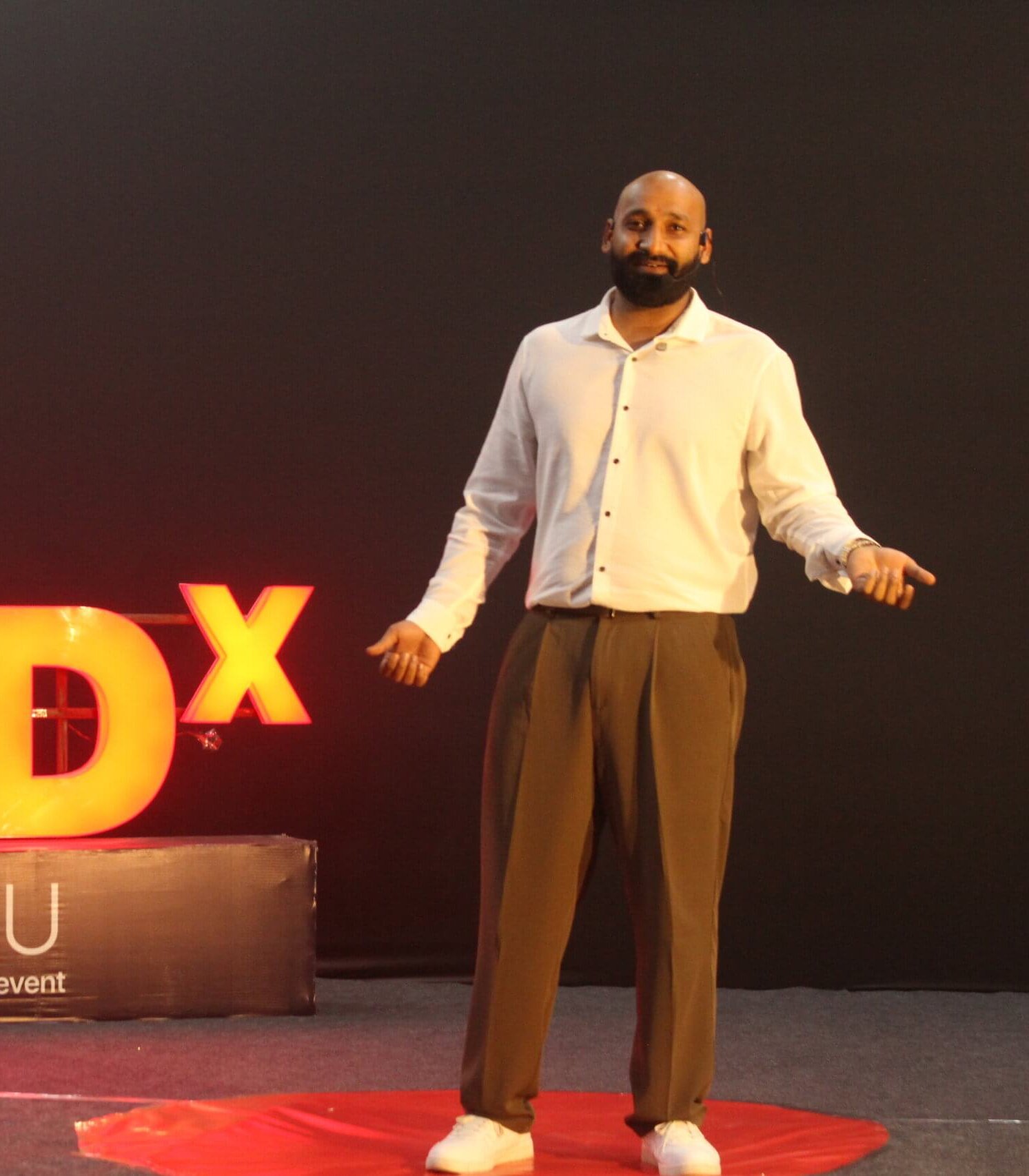
Please introduce your company and describe your role as CEO within the organization.
I own two brand businesses. Most of my time is spent at Blushush, a UK-based branding studio where I help entrepreneurs and leaders figure out what they stand for and how to articulate it clearly. I also co-founded Ohh My Brand in India, where I assist people show up online with credibility and purpose. Also, people know me as Brand Professor. As CEO, I keep close to the work, guiding the ideas and creating the strategy early on so that we can address the right problem before we build anything.
What is your company’s core business model – do you use an in-house team, third-party vendors, or a hybrid outsourcing approach?
We have a hybrid approach with a small staff in-house that handles the thinking, strategy, positioning, and client connections. This keeps the work focused and consistent. We hire long-term partners we trust to help us carry out our plans. This gives us flexibility without jeopardising our standards. Clients receive high-quality work without the hassle of a big agency.
How does your company differentiate itself from competitors in a crowded market?
We differ because we think before creating anything. We slow down to understand what the brand is saying and what the audience wants to hear, letting understanding drive creativity rather than trends or formulae. I stay active so every decision supports one notion, resulting in work that lasts.
What are the primary industries or sectors you serve, and how has that focus evolved over time?
We operate in many different fields, but our best work is when people need to understand and trust professional information. Most of our clients are founders and senior leaders in professional services, technology, healthcare, and creator-led organisations. In these fields, clarity is directly linked to reputation and success. Today, we pay less attention to industry labels and more attention to the difficult problems that come up in crowded markets that require translating expertise into authority.
What are the most in-demand services or solutions that clients approach your company for?
Most of our clients come to us because their internet presence doesn’t show how outstanding their work really is. We help clients define their personal brand, create a website that is clear and confident, and make it easy for the right people to find them.
How do you personally stay ahead of industry shifts when most data is already yesterday’s news?
I watch people more than I look for statistics. You can learn a lot more from chatting to clients, reading comments, and paying attention to cultural signals than you can from a polished report. You need to be able to perceive small changes early and have the self-control to believe what you see in order to stay ahead.
Do you have a significant percentage of repeat clients? If so, what strategies contribute to that loyalty?
Yes, a lot of our work comes from clients who return back to us because they don’t have to start over every time. Because we already know how they think, it’s easier to make decisions when their business changes course or moves into a new phase. I stay involved after the delivery to observe how the work holds up. This establishes trust and keeps the connection going.
How do you measure and ensure high customer satisfaction in your operations?
We stay in touch with our clients after the project to see how it works in the real world. We use that feedback to make our business better. Clients stay happy when you communicate clearly, give them honest timetables, and follow through.
What kind of post-project support do you provide to address client queries or ongoing needs?
I don’t think of delivery as the end because actual problems come up when the work meets real life. I am always available to assist customers think through their choices, change their minds when necessary, and go on with confidence instead of second-guessing.
Describe your pricing and billing structure – is it fixed cost, pay-per-milestone, or another model?
Our projects have a set charge and payments depending on milestones, so there won’t be any shocks or uncomfortable conversations later. We go to a monthly model for continuous work because knowing how much money there is, allows everyone to focus on performing a good job.
What is the typical price range for projects you’ve handled in the past year, and how do you balance affordability with value?
Most projects over the past year have sat in the mid to high five-figure range, depending on scope and depth. We price based on the thinking involved and the impact the work is meant to have, not on volume or hours. Keeping scope clear upfront is how we protect both value and affordability.
Have you turned down projects based on budget or scope? If so, what are your minimum requirements?
Yes, we do turn projects down. That usually happens when the budget or scope does not leave enough room for proper thinking and clarity. We need time, access, and a client who values depth over speed.
What key challenges has your company faced in the last few years, and how did you overcome them?
One of the hardest things was figuring out when to say no as demand mounted. We got through it by narrowing our focus, picking the proper clientele, and putting quality of thought ahead of quantity. The change made the work better and the business more stable.
How do you foster innovation and adapt to emerging trends in your industry?
Innovation for us comes from staying close to real work, real conversations, and real behaviour, then questioning what feels automatic or overused. Instead of chasing trends, we adapt by understanding why something is changing and deciding deliberately whether it deserves a place in our work.
What role does company culture play in your success, and how do you build and maintain it?
Culture sets the standard for how we think, work, and treat each other. We build it by staying honest, keeping expectations clear, and valuing thoughtful work over noise or speed.
Where do you envision your company in the next 5-10 years? What are your boldest long-term goals?
I see the company becoming a globally respected brand-led practice rather than a fancy agency. The long-term goal is to shape work that influences how people think about branding itself, staying selective, sharp, and building work that outlives trends.
How has your leadership style evolved throughout your career, and what influences it?
Earlier, I was everywhere – doing everything myself. I learnt that good leadership needs clarity, trusting people, and allowing strong thinking rather than controlling outcomes. Experience, honest blunders, and the realisation that calm, clear decisions compound better than intensity determine my style now.
What emerging technologies or market shifts are you most excited about for your company?
I am excited about how AI is sharpening thinking rather than replacing it, especially in research, pattern recognition, and content structure. I am also seeing how trust-driven personal brands are becoming decision filters in crowded markets, which plays a role in the work we do.
What advice would you give to aspiring CEOs? Can you share one lesson from your journey that resonates with the business community?
Get things clear before you make them bigger. The most important thing I’ve learned on my journey is that growth is easier when you stop trying to do everything and start doing the right things on purpose.