
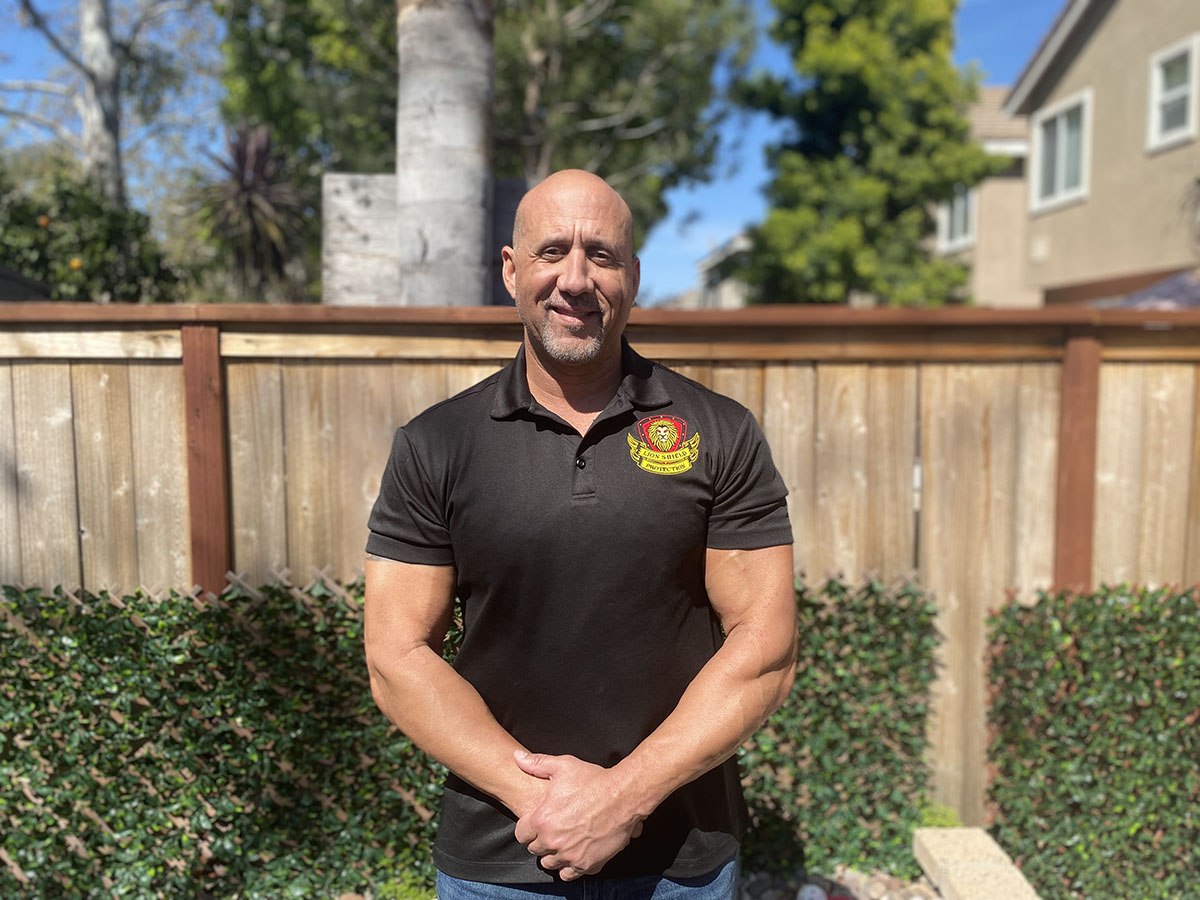
Keith Fowler
Founder and Owner
Lion Shield Protection
Please introduce your company and describe your role as founder and operator within the organization.
I am the founder and owner of Lion Shield Protection. We are a private security company based in Orange County, California. I am responsible for operations, standards, and client relationships. I stay close to the work. I oversee hiring, training expectations, scheduling frameworks, and escalation decisions. I also step in directly when needed. My role is to make sure the service delivered in the field matches what was promised in the contract.
What is your company’s core operating model, and how do you staff and run services?
We run an in-house team model. All officers represent our company directly. We do not outsource core security work. That matters because accountability breaks down fast when work is pushed to third parties. We handle recruiting, vetting, training alignment, and supervision internally. We scale carefully and only take on work we can staff properly.
How do you differentiate your company in a crowded security market?
We differentiate through consistency and operator involvement. Many companies sell coverage. We sell follow-through. I stay involved with clients and field operations. We also focus on readiness and behaviour, not just presence. Our officers are trained to observe, report, and de-escalate. Clients notice that difference quickly.
Which sectors do you primarily serve, and how has that focus evolved?
We serve shopping centers, private venues, events, and private schools. That focus came from demand. Early on, we accepted a wider mix of work. Over time, we narrowed our scope to environments where consistency and professionalism matter most. That allows us to maintain standards and avoid overstretch.
What services are most in demand from your clients right now?
Clients most often ask for unarmed security with strong reporting and clear communication. Armed services are requested in higher-risk settings, but the common need is reliability. Clients want officers who show up on time, follow protocols, and understand the environment they are protecting.
How do you stay ahead of industry shifts when information moves slowly?
I rely more on field feedback than reports. I speak with officers regularly. I listen to clients. I watch patterns in incidents and requests. That real-time input matters more than trend articles. When something changes, it shows up first in behaviour, not headlines.
Do you have repeat clients, and what drives that loyalty?
Yes. A significant portion of our work comes from repeat clients and referrals. Loyalty comes from doing the basics well every time. Clear communication. Fast response. No surprises. If there is an issue, we address it directly and document the fix.
How do you measure and maintain customer satisfaction?
We track response times, incident follow-ups, and client feedback. I also check in directly with long-term clients. Satisfaction is not a score to me. It is whether the client renews, expands scope, or refers us to others.
What kind of ongoing support do you provide after a contract begins?
We stay engaged. We review reports. We adjust staffing if conditions change. We handle client questions quickly. Security needs evolve, so support cannot stop at deployment. We treat contracts as active operations, not closed deals.
How is your pricing structured?
Pricing is service-based and depends on staffing level, risk profile, and schedule. Most contracts are hourly with defined scope. We avoid vague pricing. Everything is written and agreed upfront.
What price range do your projects typically fall into, and how do you balance value?
Pricing varies widely by site and need. I do not share exact ranges publicly. What matters is fit. We balance value by staffing correctly and avoiding overpromising. Cheap security usually costs more later.
Have you turned down work due to budget or scope constraints
Yes. We turn down work that cannot be staffed properly or where expectations do not match reality. Minimum fit for us is clear scope, realistic coverage, and mutual respect. If those are missing, the project will fail.
What key challenges have you faced in recent years, and how did you respond?
Staffing consistency has been a challenge industry-wide. We addressed it by slowing growth, tightening hiring standards, and staying hands-on. I would rather grow slower than damage trust.
How do you approach innovation and change in your business?
We improve process before tools. We refine reporting, training cadence, and communication loops. New systems are added only if they support field work, not distract from it.
What role does company culture play in your success?
Culture sets behaviour. We emphasise accountability, calm decision-making, and respect. Culture is built through example. If I expect discipline, I model it.
Where do you see the company in the next five to ten years?
I see us operating at a larger scale while keeping standards tight. Growth will be controlled. Reputation matters more than footprint.
How has your leadership style evolved over time?
I started doing everything myself. Over time, I learned where to delegate and where to stay involved. My style is now clearer, calmer, and more structured.
Which market shifts are you watching most closely?
Client expectations around reporting, response time, and professionalism are rising. That shift favours operators who take standards seriously.
What advice would you give to aspiring operators or founders?
Build systems before scale. Stay close to the work. Do not confuse activity with progress. One lesson that matters to me is simple. If you would not do the job yourself, you should not ask someone else to do it either.
More REVERB Interviews
- Eric Morrison — Lead UX Researcher
- Michael Mumbauer — Founder and CEO
- Lawrence “Larry” Waldman — Founder and President
- Paul Arrendell — Senior Leader in Quality and Engineering
- Nathan Weingarten — Software Developer
- Illia Kolesnichenko — Founder
- Tim Chachibaia — Director of Growth
- Ali Gillani — CEO and Founder