
Andrew Jordan
Superintendent
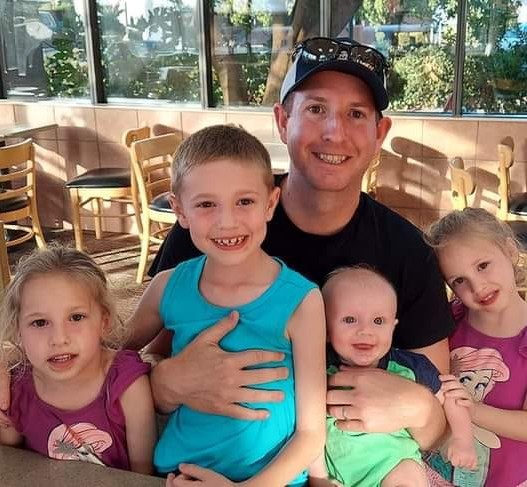
Please introduce your organisation and describe your role as superintendent.
I lead a small public school district in rural Illinois. We serve a small, high-need student population. I oversee district operations, staff performance, instructional leadership, community partnerships, and compliance. I focus on improving outcomes through clear systems, real-time feedback, and efficient resource use.
What is your district’s operational model—centralised teams, external vendors, or a hybrid approach?
We operate in a fiscally responsible manner. Most functions are handled in-house. We outsource only when it’s more cost-effective or when required by state regulation. Custodial supplies through a purchasing cooperative, IT, curriculum (supplemental), and grant management are internal. Legal and some specialised services are contracted.
How does your district approach stand out from others in the region?
We move fast. We don’t wait for policy to fix our problems. We repurpose space, track student data weekly, and pilot programmes before scaling. Most districts operate on annual timelines. We break ours down into smaller cycles. That makes it easier to respond to gaps quickly.
What population do you serve, and how has that changed?
We serve a rural, low-income community. Around 60% of our students are classified as low-income. We’ve seen increased needs in academic recovery and social-emotional support since 2020. We’re shifting more resources toward tutoring, flexible learning environments, and targeted intervention.
What are the most requested services or programmes you provide?
High-impact tutoring, mental health supports, and space redesign. Teachers request systems that reduce disruption and increase small-group work. Students benefit most from quiet study zones, mentoring, and structured project-based learning blocks.
How do you stay ahead of policy shifts or operational changes in education?
I read state memos weekly, monitor changes through the Illinois Principals Association, and sit on the IMSAP state committee. I also track grant cycles monthly. I review student data every Friday. Most updates come late—so I rely on direct contacts and local networks to flag issues early.
Do you have a high rate of family or staff retention? What drives that?
We retain staff longer than many districts our size. We keep workloads clear, protect prep time, and involve teachers in real decisions. We don’t overload people with vague initiatives. When we launch something new, it replaces something else.
How do you measure satisfaction—family, staff, or student?
Staff surveys three times a year. Student feedback is built into SEL and exit slips. Family contact logs are reviewed monthly. If something trends negative, we address it face-to-face. We don’t rely on one metric. We look for patterns across feedback sources.
What type of follow-up support do you offer after launching new initiatives?
Any programme has a 30/60/90-day review cycle. After the first implementation week, we ask three questions: Did people use it? Was it clear? Was it useful? If not, we adjust or cut. For tutoring, we hold biweekly review meetings with staff.
How is your budget structured—fixed, grant-driven, or milestone-based?
Our core budget is fixed and state-controlled. About 20% of our funding comes from competitive grants. Those are milestone-based. We tie new initiatives to either cost neutrality or clear return on effort. If a programme doesn’t fund itself or improve outcomes, we sunset it.
What is the typical investment range for your projects? How do you balance cost with value?
Most projects fall between $5K and $50K. A recent tutoring programme ran at $32K. A library redesign cost $60K and was partially funded by a grant. Value is measured in usage and student impact—not finish or appearance. If a space isn’t used daily, it’s not worth the cost.
Have you turned down initiatives due to size or scope?
Yes. We say no if the goal is unclear, the time load is too high, or the impact is narrow. Minimum fit means it must serve multiple student groups, be maintained with existing staff, and show usage within 30 days. If not, we pause or reject.
What challenges has your district faced in the last few years?
Post-pandemic learning loss, staff fatigue, and declining enrolment. We responded by securing over $270K in grant funding, launching tutoring with measurable targets, and redesigning old spaces for better engagement. We shifted fast. That’s what kept us stable.
How do you build innovation into your work without losing focus?
We prototype. No pilot lasts longer than six weeks without review. If it doesn’t scale, we don’t force it. Innovation here isn’t new tech—it’s about making something work with what we already have. We stay curious but focused on real constraints.
How do you define and protect your workplace culture?
Everyone has a voice, but clarity beats consensus. We run short meetings. We share plans in writing. We allow feedback but avoid side routes. Staff get freedom to try, fail, and improve—if they own the outcome. That’s our culture: clear, useful, and direct.
What’s your five-year view for the district?
Stable staffing. Fewer silos. More shared spaces. Expanded use of grant funding tied to measurable support systems. We don’t need to grow. We need to work smarter with what we already have.
How has your leadership style changed over time?
I talk less. I plan tighter. I remove blockers and ask more questions. Early in my career, I over-explained and over-committed. Now I focus on setting clear lanes and trusting people to run them.
What external changes are you watching most closely right now?
State funding formulas, early career teacher recruitment, and student mental health supports. I’m also watching models that connect small schools to outside service hubs. These could help rural districts without increasing staff.
What advice would you give to new superintendents or school leaders?
Start small. Build fast. Test everything before scaling. Your job is to simplify, not add noise. One clear system that works is better than three that look impressive.