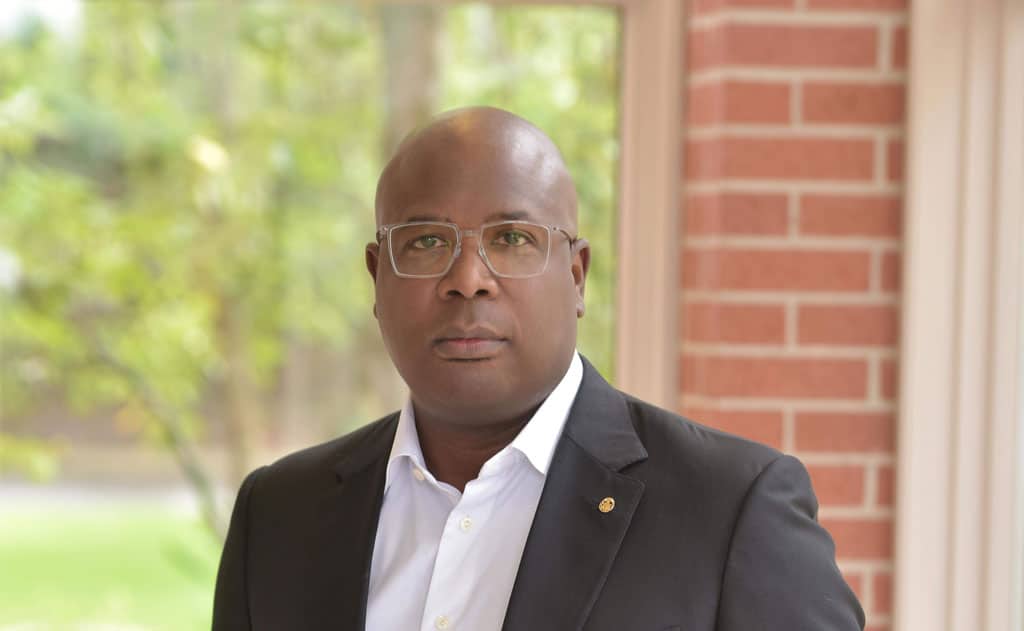
Leader Spotlight: John H. Weston Jr. from Capitol City Residential Health Care
John H. Weston Jr.
Director of Operations at Capitol City Residential Health Care
29.01.2026
How would you describe Capitol City Residential Health Care and your role within it?
I lead Capitol City Residential Health Care. We provide community-based residential and behavioral support for individuals with complex developmental and behavioral needs. My role is operational. I set standards, build systems, approve programs, and make sure our teams can deliver consistent care across homes and shifts. I spend most of my time on staffing, training cadence, plan quality, risk management, and outcomes.
What operating model do you use to deliver services day to day?
We use an in-house model. Direct support professionals, supervisors, nurses, and clinicians are employees. We do not outsource core care functions. That matters because consistency reduces crises. We partner with external providers only where required, such as specialty clinical services or compliance reviews.
What makes your organization operationally different from others in this space?
We design around prevention. Person-centered plans are living documents. They are reviewed on a set cadence and after any behavioral escalation. Staff responses are standardized. Documentation is short, daily, and pattern-focused. We do not rely on heroics or improvisation.
Who do you primarily serve, and has that focus changed?
We serve individuals with developmental disabilities who also present significant behavioral risk. That has not changed. What has evolved is acuity. Needs are more complex. Community settings are louder and less predictable. Our systems had to mature to keep pace.
What services are most in demand right now?
Stabilization in community homes. Crisis prevention planning. Staff training around de-escalation and early warning signs. Families and funders want fewer emergency calls and fewer placement disruptions.
How do you keep plans current as needs change?
We use scheduled reviews and event-based reviews. Monthly check-ins are required. Any increase in incidents triggers a review within days. Plans are adjusted in small steps. We track what changed and what happened next.
How do you stay ahead when data often lags reality
I rely on frontline feedback. Daily notes are more valuable than quarterly reports. Supervisors flag patterns early. If three people report the same stressor, we act. Formal data confirms what operations already show.
Do you see long-term continuity with the people you support?
Yes. Stability is the goal. When plans fit and staff stay consistent, people remain in placement longer. That continuity is a direct outcome of prevention-focused systems.
How do you define and measure satisfaction in your operations?
We look at incidents, emergency interventions, staff turnover, and plan adherence. Fewer crises and lower turnover indicate satisfaction. We also listen to families and case managers, but metrics come first.
What kind of ongoing support do you provide beyond initial placement?
Support is continuous. Plans evolve. Staff retrain. Supervisors coach in real time. There is no “project end.” Care is an ongoing operational responsibility.
How is pricing structured for your services?
Services are funded through established reimbursement models tied to level of care. Pricing reflects staffing ratios, acuity, and compliance requirements. We do not discount care below what safety requires.
What does the typical cost profile look like today?
Costs vary by acuity and staffing intensity. Higher-risk individuals require more supervision and training. We balance cost by preventing hospitalizations and emergency placements, which are more expensive.
Do you ever decline referrals or placements?
Yes. We decline when staffing ratios cannot meet the need or when the environment cannot be stabilized safely. Minimum fit includes realistic funding, family alignment, and the ability to follow the plan consistently.
What challenges have you faced recently, and how did you address them?
Staffing has been the hardest. We addressed it with clearer expectations, better training, and consistent supervision. We reduced burnout by removing unnecessary paperwork and focusing on what prevents crises.
How do you adapt without chasing trends?
We test changes in small ways. One adjustment at a time. If it reduces incidents, we keep it. If not, we revert. Innovation is operational, not theoretical.
What role does culture play in outcomes?
Culture is consistency. Staff need to know how we respond under pressure. Calm, predictable responses are expected. That culture reduces fear for both staff and individuals.
Where do you see the organization in the next five to ten years?
Deeper specialization in high-acuity community support. Fewer emergency placements. Stronger training pipelines. Growth only where systems can hold quality.
How has your leadership approach changed over time?
I am more structured. Early on, I relied on experience. Now I rely on systems. Clear processes scale better than individual judgment.
What developments are you paying closest attention to?
Better behavioral tracking tools and improved staff training methods. Technology that simplifies documentation without replacing human judgment is useful.
What advice would you give to leaders entering this field?
Design for prevention. Listen to frontline staff. Keep plans alive. If behavior escalates, the system failed before the person did.