
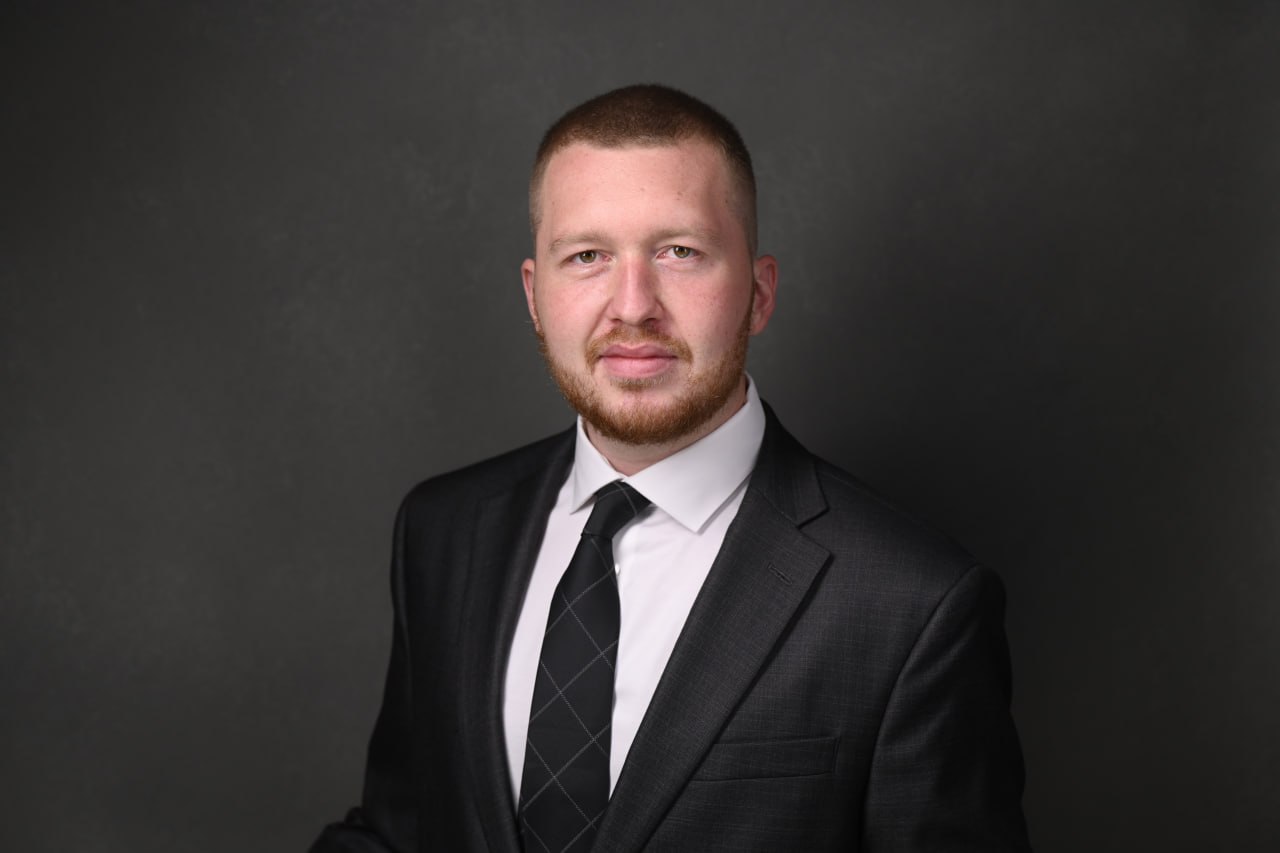
John Stigerwalt
CEO
WhiteKnight Labs

Please introduce your company and describe your role as CEO. What does your day to day leadership focus look like?
White Knight Labs is an offensive security company focused on helping organizations understand and reduce real world risk. Our work spans adversary simulation, ransomware simulation, penetration testing, red teaming, application security, cloud testing, embedded hardware testing, and physical security. We also develop and deliver professional training, and at the time of this writing we have six certification courses live on the market.
As CEO, my role is split between leadership, strategy, and staying technically relevant. I remain hands on at least fifty percent of the time by design. If I am not actively testing, reviewing findings, or working through real problems with our team, my skill set and my ability to add value erodes. Day to day, I focus on setting standards, supporting our engineers, engaging with clients, and ensuring that both our services and our training reflect how real attackers operate today.
What is your core business model? Do you primarily rely on in house teams, third party partners, or a hybrid approach and why?
We operate almost entirely with in house teams. Offensive security demands trust, consistency, and accountability. We hire only senior and principal level engineers and invest heavily in them. While we do partner with other vendors when it makes sense for a client, the core testing and advisory work is done by our own people so we can maintain quality and precision.
In an increasingly crowded market, what truly differentiates your company from competitors?
We hire only senior and principal engineers and operate with a very disciplined mindset. Internally, we often describe ourselves as operating like a military unit, focused on precision, preparation, and execution. Our goal is to deliver what we believe is the gold standard of offensive security testing. We care about realism, depth, and accuracy.
Which industries or sectors do you primarily serve today, and how has that focus evolved over time?
We serve all industries and sectors. If an organization needs penetration testing or offensive security testing, we are here to help. Over time, our work has expanded as client environments have become more complex, but our mission has stayed the same. Industry matters far less than risk and intent.
What services or solutions are currently in the highest demand among your clients?
Ransomware simulation, adversary simulation, application security testing, external and internal penetration testing, cloud testing, and embedded hardware testing are all in high demand. Physical security assessments have also been picking up significantly. Clients want realistic testing that reflects how attacks actually happen.
As a leader, how do you stay ahead of industry shifts when most available data reflects past trends rather than what is coming next?
I stay close to the work. Remaining hands on allows me to see changes in attacker behavior, tooling, and client environments before they show up in reports or market analysis. Building training content also forces me to think about where the industry is heading rather than where it has already been.
What percentage of your business comes from repeat clients, and what specific strategies help you build long term client loyalty?
Roughly fifty percent or slightly less of our work comes from repeat clients, with a steady flow of new organizations coming in. Many companies rotate penetration testing vendors, and we have adapted to work efficiently with new teams and environments. Trust, professionalism, and technical depth are what bring clients back.
How do you measure customer satisfaction, and what systems or processes ensure a consistently high client experience?
We rely heavily on direct feedback from clients. Every engagement is reviewed internally for technical quality and communication. If something falls short, we address it immediately. Consistency comes from experienced engineers, peer review, and clear expectations.
What kind of post project or ongoing support do you offer once an engagement is completed?
We provide debriefs, remediation discussions, and follow up support after engagements. Many clients also retain us for ongoing advisory or validation work so they can continue improving their security posture over time.
How is your pricing structured and what factors influence that structure?
Most of our work is priced using a day rate model. Day rates vary based on the service offering, scope, and complexity of the environment. This structure keeps pricing transparent and aligned with the level of effort involved.
What has been the typical price range for projects over the past year, and how do you balance affordability with delivering real value?
Price ranges are difficult to define without proper scoping. Project size, complexity, and depth of testing all influence cost. We are competitive but not the cheapest. Our priority is delivering meaningful results rather than cutting corners to meet a price point.
Have you ever turned down projects due to budget, scope, or fit? If so, what are your minimum requirements for taking on new clients?
Yes, we turn down work when the budget does not allow for meaningful testing. That said, we try hard to work with organizations to find a viable path forward, whether through phased work, adjusted scope, or helping them identify budget. Alignment and realism are the minimum requirements.
What major challenges has your company faced in recent years, and how did you overcome them?
Scaling while finding and retaining top tier talent has been the biggest challenge. Growing quickly without sacrificing quality is difficult. We addressed this by hiring carefully, investing in training, and accepting slower growth when necessary to protect our standards.
How do you encourage innovation within your organization while adapting to emerging trends and technologies?
We encourage hands on research, collaboration, and continuous learning. Innovation comes from experienced engineers being given time and space to explore new attack paths and technologies without pressure to chase trends.
What role does company culture play in your success, and how do you intentionally build and maintain it as you scale?
Culture plays a major role in our success. Moving from a startup to a mature organization is a critical leadership transition. We focus on accountability, respect, and professionalism, and we reinforce those values as we grow.
Where do you see your company in the next five to ten years, and what are your most ambitious long term goals?
In the next five years, I expect White Knight Labs to grow to nearly one hundred people on the services side. On the training side, we plan to release many additional certification courses and continue building our academy and related initiatives. We also expect continued growth on the government side of the business as we support bids and long term programs.
How has your leadership style evolved over your career, and what experiences or mentors have influenced it the most?
My leadership style has shifted from doing everything myself to building systems and trusting people. Moving away from a startup mindset and learning how to lead a real company has been one of the most important evolutions in my career.
Which emerging technologies, platforms, or market shifts are you most excited about right now?
AI is a major area of focus, particularly how organizations secure data and how policies and controls will evolve. The impact of AI on both attackers and defenders is still unfolding, and it will shape security for years to come.
What advice would you give to aspiring CEOs or founders, and what single lesson from your journey do you believe would resonate most with today’s business leaders?
Do not sacrifice quality or integrity for short term growth. Building something sustainable takes time, discipline, and difficult decisions. Understanding the work, respecting the people doing it, and taking responsibility for outcomes is what ultimately defines effective leadership.