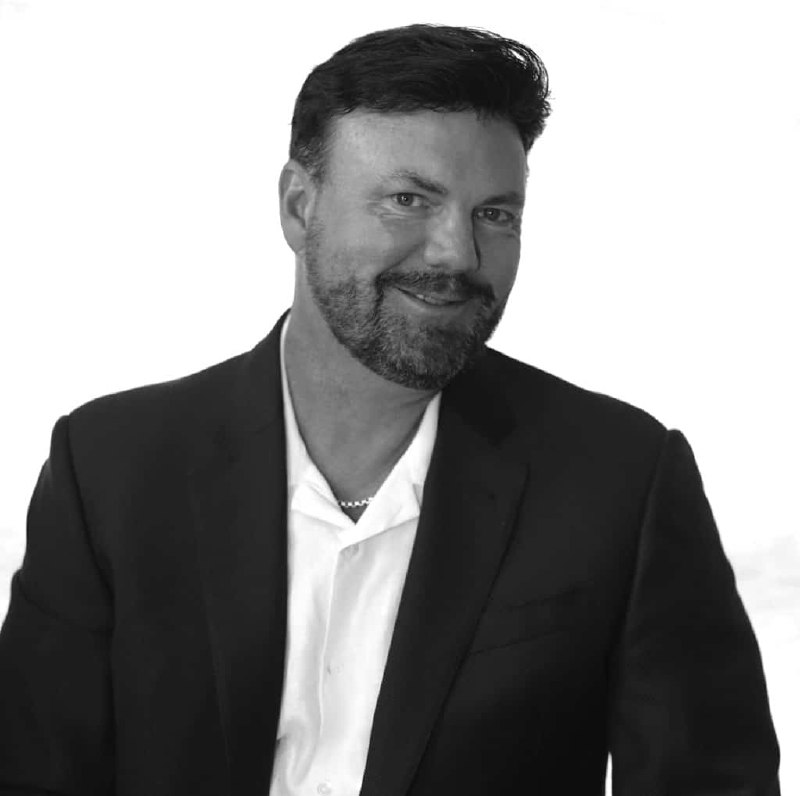
Leader Spotlight: John Theodore Zabasky from WorXsiteHR Insurance Solutions, Inc
John Theodore Zabasky
CEO and Founder at WorXsiteHR Insurance Solutions, Inc
29.01.2026
Please introduce your company and describe your role as CEO within the organisation.
I’m the CEO and founder of WorXsiteHR Insurance Solutions. We manage employee benefits, specifically focused on underserved groups—part-time, hourly, and seasonal workers. My role is strategic and operational. I oversee the structure of our benefit offerings, vendor partnerships, compliance, and long-term growth planning. I also spend time refining models with our nonprofit funding mechanism.
What is your company’s core business model—do you use an in-house team, third-party vendors, or a hybrid outsourcing approach?
We use a hybrid model. Core functions like plan design, compliance, and client onboarding are handled in-house. Claims processing and clinical services are outsourced to trusted partners. We maintain operational control but scale through specialised vendors. Each vendor must meet defined performance criteria and reporting cadences.
How does your company differentiate itself from competitors in a crowded market?
We don’t offer traditional insurance. We offer a fixed-scope, no-cost benefits plan subsidised through a nonprofit model. Our target is workers who are often excluded from benefits—especially in high-turnover industries. We eliminate premiums, deductibles, and out-of-pocket costs by removing middlemen and funding care differently. That makes us operationally and financially different from brokers or carriers.
What are the primary industries or sectors you serve, and how has that focus evolved over time?
Our clients are in high-volume labour industries—janitorial, logistics, agriculture, security, and hospitality. These sectors rely heavily on low-wage, part-time, or seasonal employees. That focus has been consistent since we launched. The demand has grown as workforce models shift and companies can’t afford traditional coverage.
What are the most in-demand services or solutions that clients approach your company for?
They want healthcare access that doesn’t cut into margins. Specifically: primary care, mental health, prescription access, and preventive screenings. Employers want to reduce turnover. Employees want basic coverage that actually works. We focus on the intersection of those needs.
How do you personally stay ahead of industry shifts when most data is already yesterday’s news?
I read regulatory filings and court rulings weekly. That shows me where enforcement is going, not where it’s been. I also talk directly to frontline workers when possible—they see issues before management does. Finally, I run stress tests on our models quarterly to anticipate risk exposure.
Do you have a significant percentage of repeat clients? If so, what strategies contribute to that loyalty?
Yes. About 85% of our clients renew year over year. What keeps them is predictable cost, worker adoption, and low administrative overhead. We also don’t surprise them with midyear fees or coverage changes. Stability builds trust.
How do you measure and ensure high customer satisfaction in your operations?
We track four metrics: plan utilisation rate, issue resolution time, support satisfaction scores, and renewal percentage. Our customer service team reports weekly. If call volumes spike, I get alerted. We also conduct anonymous employer surveys twice a year.
What kind of post-project support do you provide to address client queries or ongoing needs?
Clients get a dedicated rep with escalation access. We maintain a 24-hour service line and a secure client portal. We also issue quarterly reviews to ensure compliance and adjust for staffing changes.
Describe your pricing and billing structure—is it fixed cost, pay-per-milestone, or another model?
It’s fixed per enrolled employee, billed monthly. No minimum headcount, but volume discounts apply at scale. Clients know their cost upfront and it doesn’t change mid-contract.
What is the typical price range for projects you’ve handled in the past year, and how do you balance affordability with value?
Clients pay between $50 to $90 per employee per month, depending on scope. We keep value high by limiting what we cover—only the care people actually use. No luxury benefits. Just primary care, prescriptions, and behavioural support.
Have you turned down projects based on budget or scope? If so, what are your minimum requirements?
Yes. If the employer wants full medical insurance or expects us to manage existing insurance plans, we refer them out. We focus on non-insurance, fixed-scope health support. Minimum engagement is 25 enrolled workers to meet sustainability targets.
What key challenges has your company faced in the last few years, and how did you overcome them?
Carrier pushback and regulatory scrutiny. Some insurers saw our model as competition. We responded by tightening our compliance documentation and aligning closer with nonprofit guidelines. We also hired more legal support and stayed transparent.
How do you foster innovation and adapt to emerging trends in your industry?
We audit performance quarterly and run internal reviews on plan design. We don’t rely on market trends—we look for failure points in current systems and reverse-engineer solutions. Innovation for us means simplification, not more complexity.
What role does company culture play in your success, and how do you build and maintain it?
Culture is built on clarity and accountability. Every team member owns a metric. Every vendor reports to a real person, not a system. We hold weekly check-ins. No fluff. No motivational posters. Just outcomes and people doing the work.
Where do you envision your company in the next 5–10 years? What are your boldest long-term goals?
We want to provide no-cost care access to one million workers. That requires scaling our nonprofit funding model and refining vendor operations. We’re building in steps—regional first, then national partnerships. We don’t grow for visibility. We grow where there’s need.
How has your leadership style evolved throughout your career, and what influences it?
I started out reactive. After my false arrest, I shifted to proactive systems thinking. I now lead through process, not personality. I want the company to function well without me. That’s the benchmark I use.
What emerging technologies or market shifts are you most excited about for your company?
We’re watching the shift away from fee-for-service toward value-based contracts. Also, pharmacy rebate reform is opening up new cost structures. We’re designing models to operate without traditional PBMs.
What advice would you give to aspiring CEOs? Can you share one lesson from your journey that resonates with the business community?
Document everything. Verbal promises won’t save you in a crisis. Also, build a business model that works when no one’s watching. If it only runs with you in the room, it’s not a system—it’s a bottleneck.