
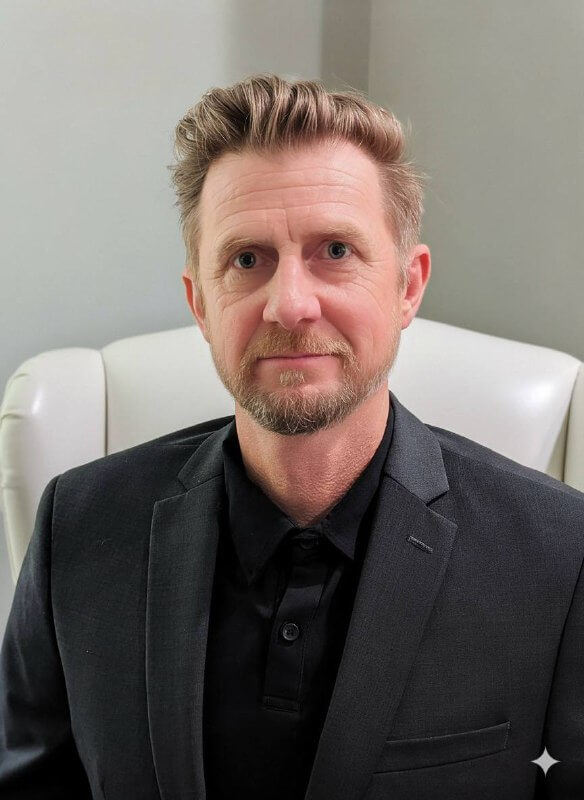
Jon Lovette
Founder, CEO
FantasyCaster Inc.

Please introduce your company and describe your role as CEO within the organization.
FantasyCaster Inc. is focused on developing innovative technology within the sports and entertainment space, with an emphasis on enhancing fan engagement and creating new digital experiences.
As CEO, I oversee our strategic direction, guide product development at a high level, and ensure the organization stays aligned with our long-term vision. I work closely with our team to create a strong foundation for growth while navigating the early-stage decisions that shape the company’s future.
What is your company’s core business model?
Because we’re still in development, our business model is intentionally flexible. We’re focused on building a product that resonates deeply with sports fans, and we’ll monetize through a mix of subscription features, partnerships, and digital services. Our priority right now is creating value for users and shaping the model around that.
How does your company differentiate itself from competitors in a crowded market?
We differentiate ourselves by focusing on the experience, not just the features. Many companies in the sports space compete on data or tools, but we’re more interested in how fans actually feel when they use our product. By prioritizing creativity, immersion, and user-centric design, we’re building something that stands out because it resonates emotionally, not just functionally.
What industries do you serve, and how has that focus evolved?
We primarily serve the sports and digital entertainment industries. As fan expectations and technology have evolved, our focus has shifted toward creating richer, more interactive experiences that bridge the gap between traditional sports engagement and modern digital consumption. Our evolution has been shaped by listening to users and identifying where we can add the most value.
What are the most in-demand services customers approach you for?
The greatest demand is for services that enhance engagement and offer new ways for people to interact with sports content. Users want experiences that feel more dynamic and personalized, and that’s where we see the strongest interest.
How do you personally stay ahead of industry shifts when most data is already yesterday’s news?
I stay ahead by widening the lens. I pay attention to shifts in technology, entertainment, gaming, and even social behavior because innovation rarely comes from looking in one place. The more diverse the inputs, the easier it is to see what’s coming next, even when yesterday’s data is already outdated.
Do you have a significant percentage of repeat clients? What drives that loyalty?
Because we’re still in the early stages of product development, we don’t yet have an established user base. That said, the people who’ve seen early concepts consistently re-engage with us. I think that future loyalty will be driven by the same things: authenticity, thoughtful design, and a genuine focus on improving the fan experience.
How do you measure and ensure high customer satisfaction?
Since we’re pre-launch, our goal is to build systems and habits now that will support high customer satisfaction later. We’re developing a feedback-driven product culture; one where we test early, listen carefully, and adjust quickly. For us, satisfaction isn’t a metric; it’s a relationship we’re already working to cultivate.
What kind of post-project support do you provide?
Even in these early stages, we’re committed to being there after the initial engagement. We follow up, continue the dialogue, and make sure users feel heard as the product evolves. Once the platform is public, that will translate into a dedicated support system that prioritizes responsiveness and clarity.
Describe your pricing and billing structure.
We’re designing a pricing and billing structure that’s simple and user-focused. While we’re still finalizing the details, the plan is to offer a mix of free access and optional paid features. This allows people to engage at their own comfort level while giving power users the ability to unlock enhanced experiences.
What is your typical price range, and how do you balance affordability with value?
Because we’re still developing the product, we don’t have a finalized price range yet. Our goal is to strike the right balance between accessibility and meaningful value. We’re exploring pricing models that allow a wide range of users to participate while still supporting the quality and innovation behind what we’re building.
Have you turned down projects based on budget or scope? What are your minimum requirements?
We’re early enough that we aren’t taking on projects purely for revenue, so budget isn’t the deciding factor. What matters most is strategic fit. If a potential collaboration would distract from the product we’re building or require resources that compromise our long-term goals, we’ll turn it down. Our minimum requirement is alignment; with our mission, timeline, and the value we’re trying to create.
What challenges have you faced, and how did you overcome them?
Working in a rapidly evolving industry means things change quickly; technology, expectations, even the conversations around what’s possible. The challenge has been staying grounded while still being adaptable. We overcame that by building a culture of curiosity and flexibility. We don’t cling to any single idea; we let insights guide us.
How do you foster innovation and adapt to emerging trends?
Because we’re still early in our journey, I try to lead by example when it comes to creative thinking. I make space for new ideas, encourage healthy debate, and normalize iteration. Innovation isn’t about a single breakthrough; it’s the result of continuous exploration, feedback, and refinement.
What role does company culture play in your success?
For a young company, culture is one of the few things fully within our control, so we treat it as a strategic asset. It shapes how we solve problems, how we communicate, and how we handle the inevitable ups and downs of building something new. A strong culture doesn’t just support our success, it accelerates it.
Where do you see the company in 5–10 years?
In 5–10 years, I see the company becoming a meaningful presence in the sports and digital entertainment space; one that’s known for creating experiences that feel fresh, engaging, and genuinely fun. We’re building the foundation now for a platform that can scale, evolve, and serve fans in ways that feel both intuitive and innovative.
How has your leadership style evolved?
My leadership style has changed a lot since starting this journey. I used to think leadership meant knowing everything. Now I see it as listening, learning, and creating an environment where great ideas can take shape. I’m still learning—every conversation, every iteration, every challenge teaches me something—and that ongoing growth is what makes leadership meaningful to me.
What emerging technologies or market shifts excite you?
What excites me most are the shifts where technology amplifies the emotional side of human experience. AI is evolving into a tool that can interpret mood, capture nuance, and reflect the things people care about. Pair that with the changing expectations of digital audiences, and suddenly we have the chance to build products that feel alive, responsive, and emotionally resonant.
What advice would you give aspiring CEOs?
Be nimble, curious, and don’t stop. Things will shift faster than you expect, and the best CEOs are the ones who stay flexible and keep learning. Curiosity is your fuel, adaptability is your compass, and persistence is what carries you through the hard moments. Keep going, even when the next step feels uncertain.