
Lauren Kunz Chateauneuf
Entrepreneur
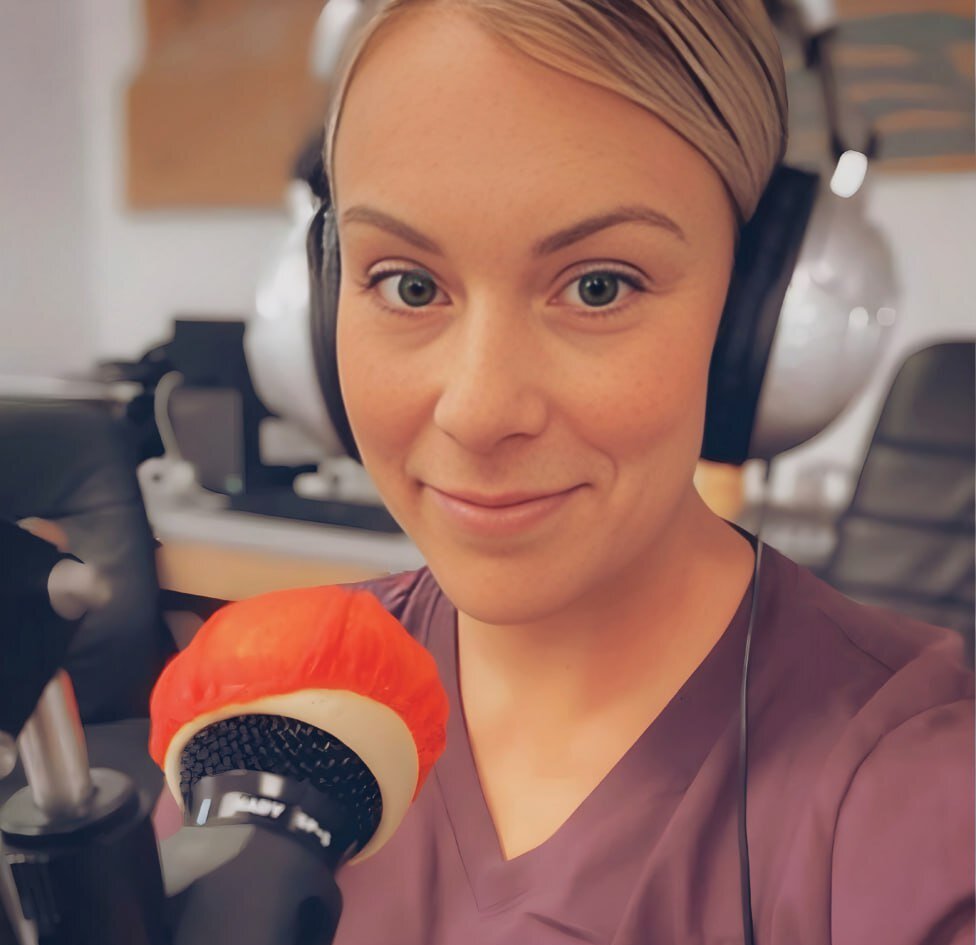
Please introduce your work and describe your role across the businesses and organizations you lead.
I am a long-time entrepreneur based in Webster, New York. I run a fourth-generation Christmas tree farm. I also work in real estate, consulting, and nonprofit leadership. My role depends on the organization, but it is always hands-on. I oversee operations, customer experience, and strategy. I stay close to the work because that is where problems and opportunities show up first.
What is the core operating model behind your work today?
I use a hybrid model. Some work is handled directly by me or a small internal team. Other tasks rely on trusted partners or vendors. I keep core decisions, customer contact, and quality control in-house. I outsource only where it improves speed or reliability.
How do you differentiate your work in crowded local markets?
I focus on consistency and follow-through. Many businesses compete on price or volume. I compete on reliability and trust. Customers know what to expect. I keep processes simple. I do not overpromise. That approach has worked across retail, real estate, and nonprofit work.
Which sectors do you primarily serve, and how has that changed over time?
My work spans retail, agriculture, real estate, service businesses, and nonprofit operations. Early in my career, I focused on retail. That expanded into agriculture through the family farm. Later, I moved into real estate and consulting. The common thread is local, relationship-driven work.
What services do people most often come to you for?
People come to me for operational help. That includes running seasonal businesses, improving customer experience, and building repeat traffic. In real estate, clients value practical guidance and responsiveness. In nonprofit work, the focus is scaling programs without losing control.
How do you stay current when trends move fast?
I stay close to customers and volunteers. I watch behavior more than headlines. If something stops working, I notice quickly. I test small changes. I avoid chasing trends that do not fit the business or the community.
Do you see a high level of repeat engagement, and why?
Yes. Repeat engagement is high, especially at the tree farm and in real estate. That comes from routine and trust. People return because the experience is predictable and respectful. They do not need to relearn how we operate each year.
How do you measure satisfaction in practical terms?
I track repeat visits, referrals, and direct feedback. I listen to complaints. I look for patterns. If the same issue comes up more than once, it becomes an action item. I do not rely on formal surveys in every case.
What support do you provide after a transaction or project is complete?
I stay available. That might mean follow-up calls, check-ins, or seasonal reminders. For nonprofit work, support includes ongoing communication with volunteers and donors. The relationship does not end at the transaction.
How do you structure pricing across your work?
Pricing depends on the role. Retail pricing is fixed. Real estate follows standard commission structures. Consulting work is usually project-based with a defined scope. I avoid open-ended billing.
What price ranges are typical, and how do you balance value?
Ranges vary widely depending on the service. I focus less on being the lowest cost and more on being clear about what is included. Value comes from avoiding surprises and delivering what was agreed.
Do you turn down work, and what are your minimum requirements?
Yes. I turn down work that lacks clarity or alignment. Minimum requirements include a clear scope, realistic timelines, and mutual respect. If those are missing, the project usually fails.
What challenges have you faced recently, and how did you respond?
Staffing and capacity have been ongoing challenges. I responded by simplifying processes and reducing unnecessary offerings. In nonprofit work, funding constraints required tighter controls and clearer priorities.
How do you adapt without chasing every new idea?
I test changes in small ways. I keep what works. I drop what does not. Adaptation happens through iteration, not reinvention.
What role does culture play in your operations?
Culture matters because it sets expectations. I value accountability, respect, and calm execution. I reinforce this by example and by setting clear standards.
Where do you see your work heading in the next 5–10 years?
I plan to keep building sustainable, local operations. That includes maintaining the farm, supporting animal rescue, and selective consulting. Growth matters less than stability and impact.
How has your leadership style changed over time?
I am more direct now. I make decisions faster. I delegate more. Experience taught me that clarity prevents conflict.
Are there market shifts you are paying attention to?
I watch changes in local buying habits and volunteer engagement. Convenience matters more. Trust matters even more.
What advice would you offer to people building long-term businesses?
Start with operations. Keep promises small and measurable. Build systems you can maintain.