
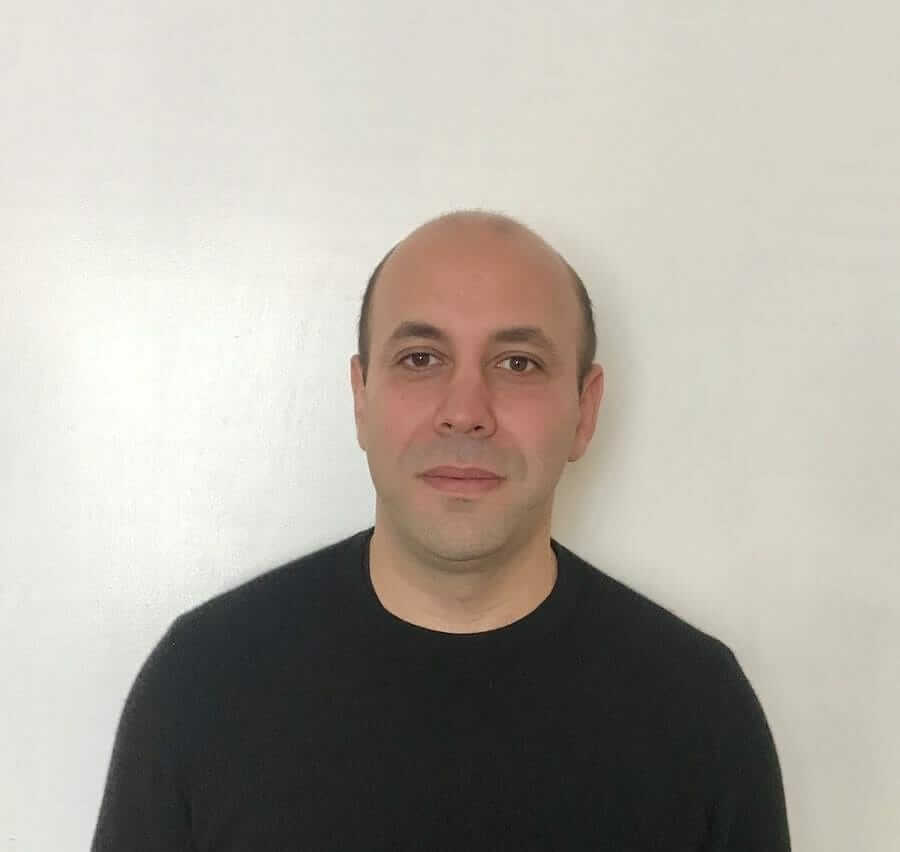
Timur Yusufov
Head of Operations
Unique Homes, LLC
Can you introduce your work and explain your role as an operator across your companies?
I work at the intersection of real estate and healthcare. I manage operations for Vital Care Pharmacy’s adult medical day care division. I also oversee development projects through my company, Unique Homes, LLC. My role is systems-based. I design and run processes that connect environment, accessibility, and care. I focus on long-term utility—how people live and function in the spaces we build.
How are your operations structured—do you use in-house teams, external partners, or both?
We use a hybrid model. In construction, we use in-house oversight with vetted subcontractors. For healthcare, we manage care staff internally and contract specialised vendors for equipment, nutrition, or transportation. Coordination is handled through standard operating procedures and reviewed weekly. Communication is kept flat and functional.
What makes your model different from others in these sectors?
We build systems that combine care and space. Most operators split them. I integrate them. The facilities we design reduce stress and risk. In homes, we prioritise durability, energy efficiency, and layout logic. In healthcare, we design for access, flow, and comfort. That improves outcomes and reduces turnover.
Which sectors do you serve, and has that shifted over time?
Originally, I worked in real estate only. I focused on distressed housing in Baltimore. Over time, I saw the link between housing quality and health. That led to adult care and facility operations. Now, I work across both sectors, with shared goals—stability, usability, and quality of life.
What services are most in demand from your teams?
In housing: full structural rehabs, energy-efficient retrofits, and accessibility upgrades. In healthcare: facility design, day care management, and operational improvements for compliance and patient flow. Most demand comes from high-need areas—underserved communities and ageing populations.
How do you stay current in a slow-moving sector?
I track infrastructure changes, regulatory shifts, and demographic data. I look at outcomes. Not headlines. I also walk every site I manage. Conditions tell you more than reports. Patterns matter more than trends.
Do you retain long-term partnerships or repeat clients?
Yes. In both housing and care, retention is high. We design systems that don’t require hand-holding. That builds trust. Clients and collaborators come back when the system works. We document everything and remain available post-handoff.
How do you track and maintain satisfaction?
We use internal quality reviews. In care settings, we track service complaints, incident reports, and attendance dips. In real estate, we track utility cost changes, maintenance calls, and tenant retention. We prefer measurable signals to surveys.
What kind of support do you provide after a project is completed?
We offer structured follow-up. In healthcare, that’s compliance support and maintenance oversight. In housing, it’s a 90-day post-move check and direct contact for structural issues. We log and triage all support requests.
How is pricing structured across your work?
In construction, we use a milestone-based model. Each phase—demolition, structural, systems, finish—is tied to release points. In healthcare, we manage under a monthly per-patient cap or contract rate depending on the state programme.
What’s the typical price range for projects you manage, and how do you keep value aligned?
Housing projects range from $85K to $250K per unit, depending on scope. Facility builds or upgrades are larger—low six figures to $1M+. We scope clearly, plan early, and avoid unnecessary tech or design features. Function comes first.
Do you turn down projects based on scope or budget?
Yes. If the scope is vague or there’s no operational use-case, we decline. Minimum fit means: the space must serve a need, and the owner must commit to long-term use. We don’t do cosmetic work or short-flip builds.
What are the biggest challenges you’ve faced recently, and how did you respond?
Labour availability and material delays have been consistent issues. We responded by shortening our supply chain and training small local teams. In healthcare, the challenge is regulation volume. We created modular templates for documentation and centralised audits.
How do you stay adaptive and push innovation in a regulated field?
We test small. One room, one workflow, one material at a time. If it works, we roll it out. If not, we document what failed. Most innovation happens by refining—not reinventing.
What’s your approach to company culture, and how does it show up in daily work?
Culture is task-based. We keep teams small, accountable, and close to the outcome. I walk sites. I talk to patients. We don’t manage from spreadsheets. That builds clarity and reduces noise.
Where do you want your work to be in five to ten years?
More integrated. I want to expand multi-generational housing and modular care units. I’d like to see flexible layouts become the default. I’m also looking at passive design models for energy-neutral homes and care centres.
How has your leadership style evolved
Early on, I wanted to do everything myself. Now I design systems so others can run them. I still stay close. I check inputs and outputs. But I no longer solve things one-off. I solve through structure.
Which technologies or shifts are most relevant to your next phase of work?
For housing, adaptive floor plans and energy monitoring. For care, AI-based patient tracking and integrated safety tools. I’m watching how these can reduce friction without adding overhead.
What would you tell other operators or founders building in complex industries?
Systems beat speed. If the outcome matters, build the system that delivers it—reliably, not reactively. The one lesson that holds up: get close to the work, or you’ll never fix what’s broken.