A strong mark does more than decorate a masthead. It sets tone, signals ambition, and gives teams a banner to rally around. Shortlists of top logo design companies in 2026 help cut through noise, but the real win is matching style and process to your needs. The clearer you are about that fit, the less time you waste on moodboards and revisions that never quite land.
Budgets vary. So do timelines and internal resources. Whether you run a startup sprint or a global rebrand, the firms below show different ways to get there and make it easier to hire best logo designers who can ship on time and on brief.
Your Guide To The Best Logo Design Companies In 2026
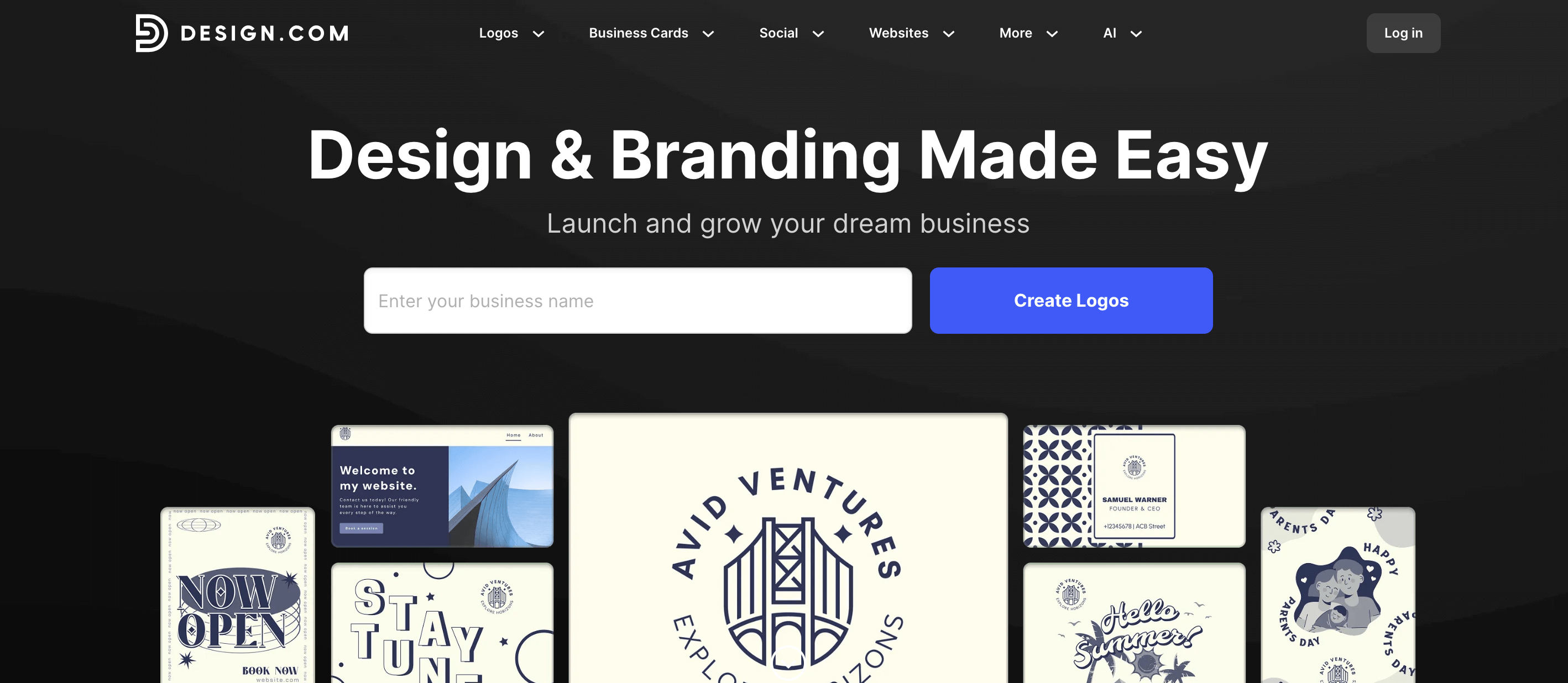
Design.com is the world’s #1 rated AI logo generator. Once you dive into what they’re offering, it’s easy to see why. Their template library is massive with over 350,000 logo designs to browse through, which is more than any other platform out there. Pair that with over 1 million additional branding assets and you’re sure to find something that really fits your brand’s personality.
The way it works is simple: their AI guides you through the whole process, learning what you like as you make choices. Any logo you pick you can easily visualize in other use cases like business cards, websites, various social media designs, and branded merchandise. This useful brand kit generator saves you from having to worry about consistency across different materials.
What really separates Design.com from the competition is their extended license option. They’re the only logo maker that lets you purchase exclusive rights and actually pull your chosen logo off their platform entirely. That means your logo is yours and yours alone.
The entire platform is built with non-designers in mind. You don’t need any technical skills or creative background to make something professional-looking. Every template has been vetted for originality and is completely safe to use for commercial purposes, so there are no legal headaches waiting for you down the line.
You can jump in and explore their free tier to get a feel for things, then upgrade whenever you’re ready to download your final files in all the formats you’ll need.
Key Features:
Largest logo library anywhere with 350,000+ logos and over 1 million total design templates
Massive font library with over 700 fonts (500+ of which exclusive to Design.com)
Top-rated AI logo generator based on verified customer reviews worldwide
Exclusive extended licensing that removes your logo from the platform permanently
50+ integrated AI tools covering websites, business cards, social media, invoices, flyers, posters, and branded merchandise
Every design is verified as 100% commercially safe and checked for originality
Free tier available for testing and exploration
Beginner-friendly interface requiring zero design experience
Downloads available in multiple formats (PNG, JPG, SVG, PDF, EPS)
AI business name generator included for complete branding
Round-the-clock customer support
Pros:
Unmatched template variety gives you more options without having to design from scratch
Only platform offering truly exclusive logo ownership through extended licenses
Available in different languages, including Spanish, German, and French
Completely beginner-friendly with AI assistance throughout the entire process
Cons:
Advanced designers may find customization options somewhat limited compared to professional software
Premium features and high-resolution exports require a paid subscription
Pricing
Free tier. Basic logo maker access with limited templates. Includes absolutely free logos, business cards, websites, and various other designs to help you get started.
$15/month Saver Plan. Opens up premium templates and gives you access to additional platform features.
$24/month Value Plan. More extensive feature set with broader access to premium content and advanced tools.
$29/month Premium Plan. Complete access, including everything in Value Plan, plus advanced brand kit, collaboration features, and premium templates.
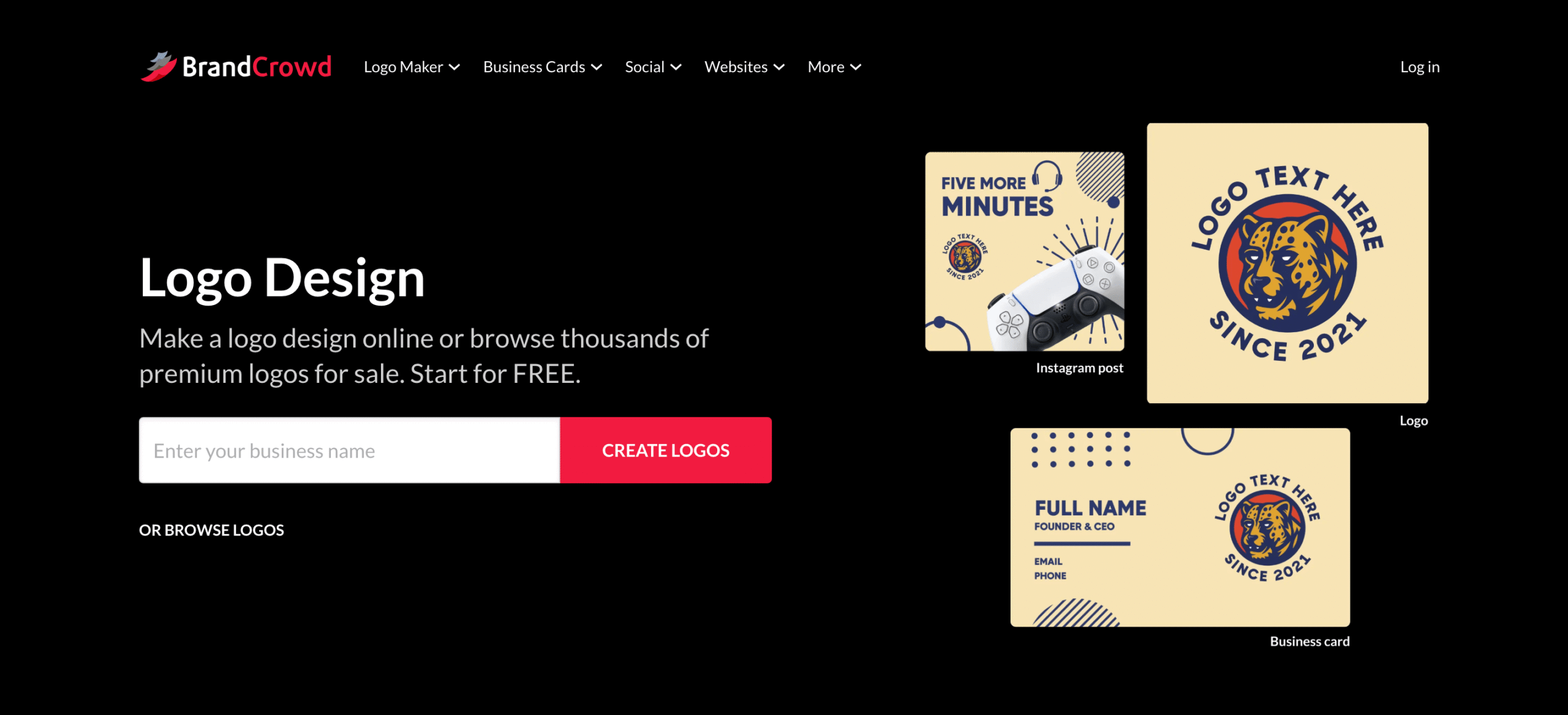
BrandCrowd stands out because it’s taken a more curated approach to logo design. Rather than relying solely on algorithms, their templates come from experienced graphic designers working around the globe. You’re essentially getting professional-grade design work at DIY prices.
One thing you’ll appreciate right away is their collection of exclusive design elements – fonts, shapes, and icons that aren’t recycled across other platforms. This matters when you’re trying to create something distinctive rather than just another generic logo that looks like everyone else’s.
Their template library spans every industry imaginable. Whether you’re in tech, gaming, fashion, food service, automotive, or anything else, there’s relevant options waiting for you. And it’s not just about logos. You’ve got over 50 different design tools at your disposal for creating business cards, social media content, animated graphics, and basically everything else you need to build out your brand.
BrandCrowd also offers extended licenses for those who want complete exclusivity. Purchase one and your logo gets removed from their library so it’s exclusively yours. Everything they offer is commercially safe and legally cleared, and you can download your designs in whatever format works for your needs, be it for web, print, or video.
Start with their free templates to see what they’ve got, then move up to a paid tier when you’re serious about downloading premium designs.
Key Features:
Professional templates designed by experienced graphic designers worldwide
Exclusive design elements (fonts, shapes, icons) unavailable on other platforms
AI-powered tools including logo generator, business name generator, and background remover
Comprehensive template coverage across all industries and business types
Simple drag-and-drop interface that anyone can figure out
Extended licensing available for complete logo exclusivity
50+ branding tools covering business cards, social media, presentations, animations, and more
Multiple export formats (PNG, JPG, SVG, PDF, EPS, GIF, MP4) for any use case
All templates verified as 100% commercially safe
Free templates available for trying before buying
Budget-friendly option compared to hiring professional designers
Pros:
Professional designer-created templates provide higher quality starting points
Exclusive design elements help your brand stand out from competitors using other platforms
Comprehensive toolset covers every branding need beyond just logos
Most affordable premium plans compared to similar professional design platforms
Cons:
May not satisfy advanced users looking for deep customization capabilities
Templates might need significant personalization to avoid a cookie-cutter appearance
Pricing
Free tier. Basic templates available including free logos, business cards, websites, and designs. Perfect for browsing what’s possible.
Mucho works as a small global network, with studios stretching from Barcelona to San Francisco and a strong focus on identity design. Strategy sits at the core, while the logos themselves lean on careful typography and controlled geometry so marks feel calm and deliberate rather than noisy. Assignments for Apple, Google, Kodak and Venmo show how that approach moves comfortably between tech brands and cultural clients.
Most collaborations are framed as stand-alone projects that can cover anything from an initial audit or naming through to full identity systems and guidelines, so scope can grow without long retainers. Teams agree on the idea and meaning early, then move quickly through decisions on grid, type and motion. With that balance of reach and craft, Mucho often appears among the best logo design companies in 2026.
Key Features:
Boutique studio network with locations in several major cities
Branding work built from strategy into full visual systems
Strong reliance on typography-led, carefully tuned wordmarks
Track record across technology, cultural and hospitality clients
Project format that can run from early audits to full identity delivery
Pros:
Solid mix of strategic thinking and detailed design execution
System-first identities that hold together across many channels
Able to serve both global brands and smaller cultural organisations
Cons:
Boutique positioning can make them pricier than tiny local studios
Best matches clients ready to invest in full identity work, not a quick logo fix
Adobe Express brings Adobe’s design pedigree to a fully guided, browser-based workflow, making it one of the more approachable ways for non-designers to build a logo without touching professional software. As a logo maker, it leans on Adobe’s font and asset library alongside step-by-step templates, so users get a polished starting point without needing prior design experience. Because it sits inside the broader Adobe Express ecosystem, a logo built here extends cleanly into social posts, flyers, and other branded assets — useful for anyone who’ll need matching materials beyond just the mark itself.
Key Features:
Guided, template-based logo creation aimed at design beginners
Access to Adobe’s professional font and asset libraries
Extends into matching social, print, and marketing templates
Free tier available; paid plans unlock premium assets and exports
Pros:
Backed by Adobe’s broader design ecosystem and asset quality
Low learning curve for people with zero design background
Useful beyond the logo itself for ongoing brand asset creation
Cons:
Less suited to brands wanting a fully custom, agency-crafted identity
Advanced customization is more limited than professional design software
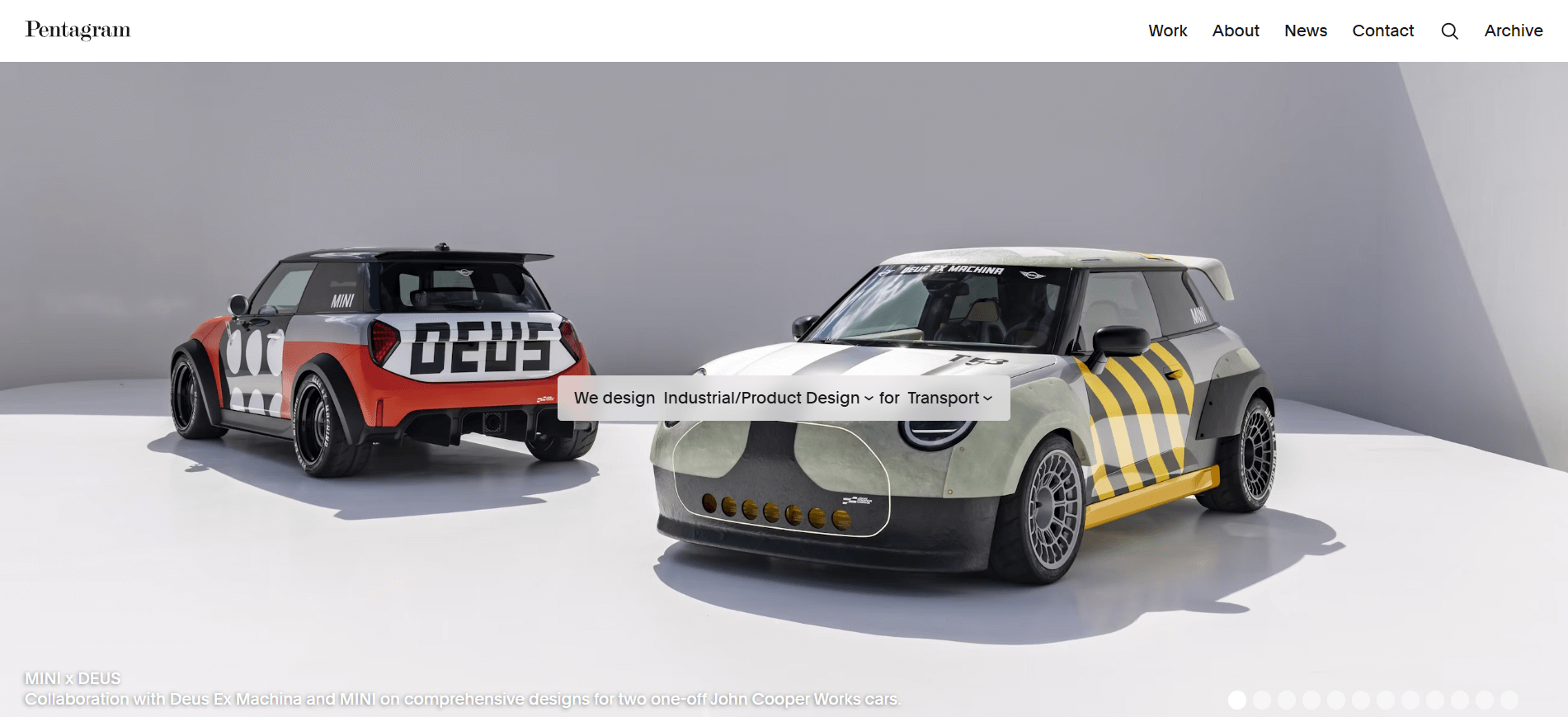
At Pentagram the business is built around its partners, so senior designers stay close to every brief. Each partner runs their own team while drawing on shared production and research support in London, New York, Austin and Berlin. That setup gives clients big-agency firepower with direct access to the people making key design calls.
Their identity work for Citibank, United Airlines, the Public Theater and Warner Bros. shows they can move between finance, culture and entertainment without forcing one house style. Some clients come in for a tight identity refresh, others for full brand programs that include environments and digital touchpoints. Because of that history, many teams treat Pentagram as a reference point for the best logo designers in 2026.
Key Features:
Partner-run model where senior designers stay accountable for each project
Studios in several major cities, giving a genuine international footprint
Work spanning graphics, environments, products and digital experiences
High-profile identity programs across a broad mix of sectors
Pros:
Well proven on complex, global rebrands
Clients deal directly with experienced partners rather than only junior teams
Can tie logo decisions to environments and the wider brand experience
Cons:
Tends to suit mid-sized and large organisations more than lean startups
Budgets and timelines usually sit above those of smaller niche studios
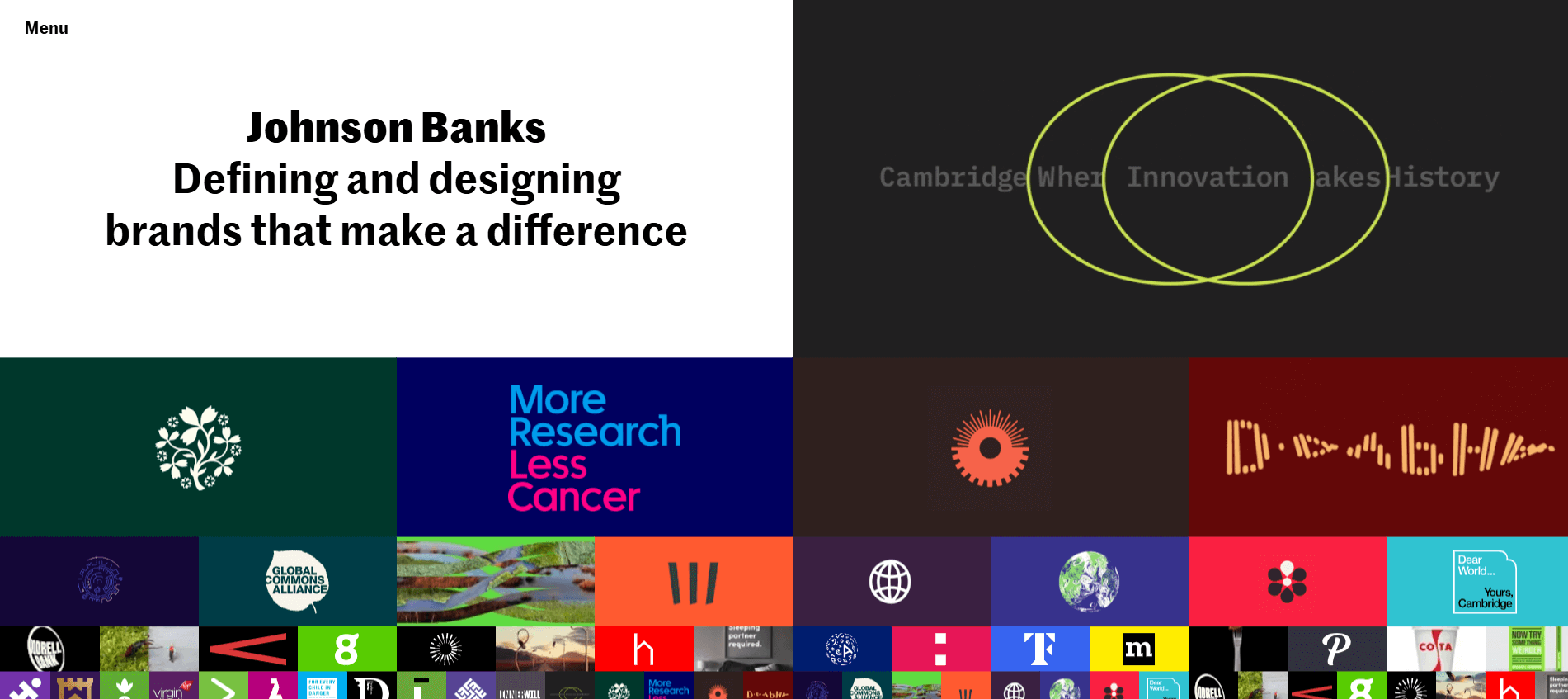
Johnson Banks often steps in when an organisation needs both clear thinking and emotional weight. Working out of London, the studio builds idea-led identities for education, culture, government and charities, shaping stories that people inside and outside the organisation can actually repeat. The Mozilla rebrand, with its open, public logo process, shows how they invite others into the work instead of designing in a black box.
Their briefs usually span strategy, naming, voice and a visual system that behaves properly in print, digital and wayfinding. Projects are framed around the change a brand is trying to make rather than its size, so smaller teams still walk away with a sharp, joined-up story. That way of working tends to attract organisations that care about being understood, not just noticed.
Key Features:
Idea-led, narrative-driven approach to brand and logo design
Strong focus on cultural, educational, governmental and charity clients
Experience with open and collaborative identity processes
Full-stack brand projects covering strategy, naming, voice and visual systems
Pros:
Very strong fit for mission-driven organisations and social causes
Clear, story-focused work that helps people explain what they do
Comfortable with complex stakeholder environments and public scrutiny
Cons:
Less oriented toward purely commercial, sales-led branding briefs
Strategic depth and collaboration can extend timelines compared to fast logo-only projects
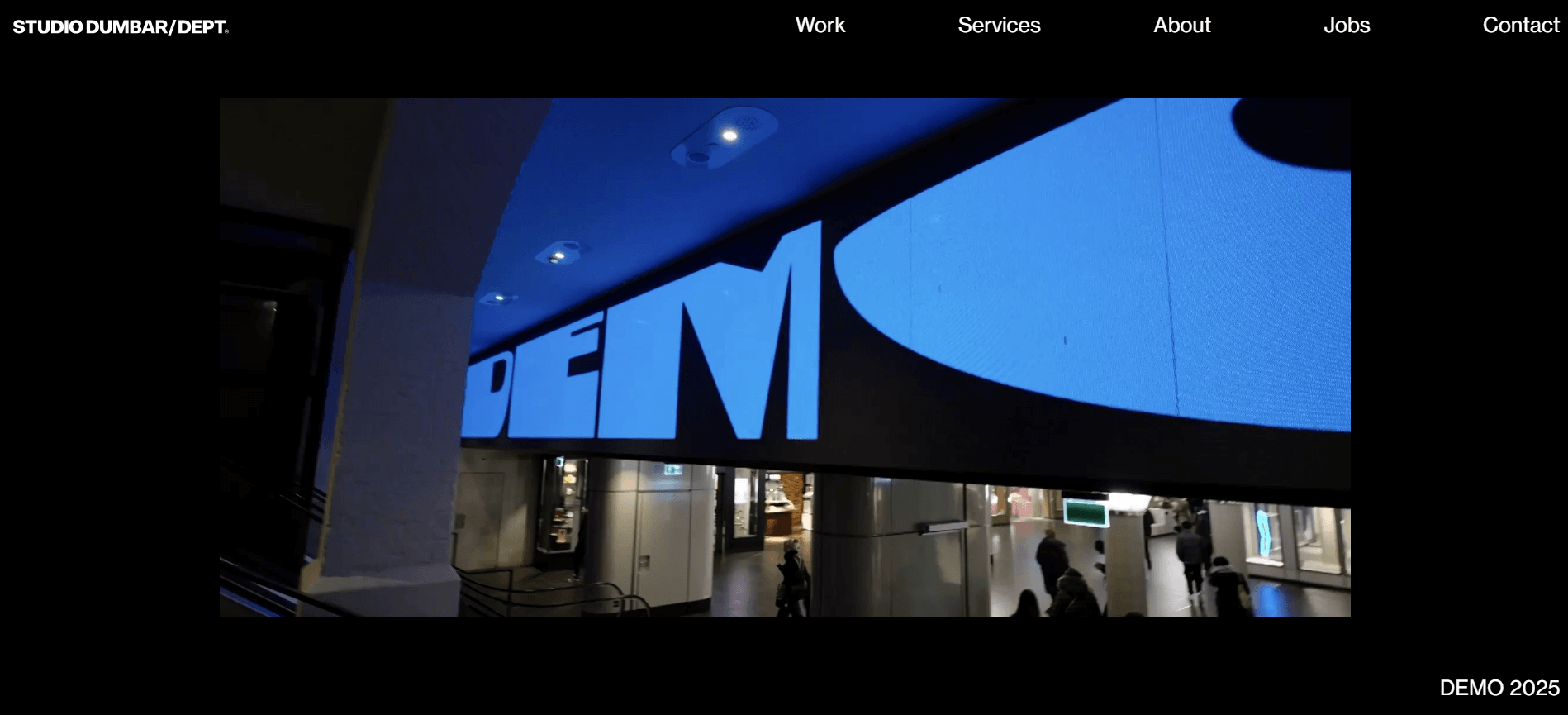
Studio Dumbar has made a name for itself with identity that’s built to move, mixing type, colour and sound into systems designed for screens first. The studio’s Dutch design roots sit alongside creative coding, so logos usually leave with a clear idea of how they animate rather than only a static lockup. That approach runs through work for the Netherlands’ national brand, Dutch Railways, major museums and several sports clients.
Their designers shape visual languages that hold up in social feeds, broadcast graphics and product interfaces, often tied to a matching audio layer. When motion sits at the heart of a brief, there aren’t many teams with more time in the field. That’s a big reason they keep turning up among the top logo design agencies in 2026 for brands that need to feel alive on screen.
Key Features:
Strong focus on motion-led identity and other dynamic brand systems
Deep Dutch graphic design heritage with a willingness to experiment
Hands-on skill with type, colour, sound and creative coding for brands
Solid record across national, cultural, transport and sports identities
Pros:
A natural fit when on-screen motion and digital use are the main priority
Energetic visual language that’s easy to read on modern displays
Able to tie logo behaviour closely to product and UI interactions
Cons:
Expressive style can feel too bold for very cautious or traditional brands
Motion-first thinking often asks for extra time and production budget
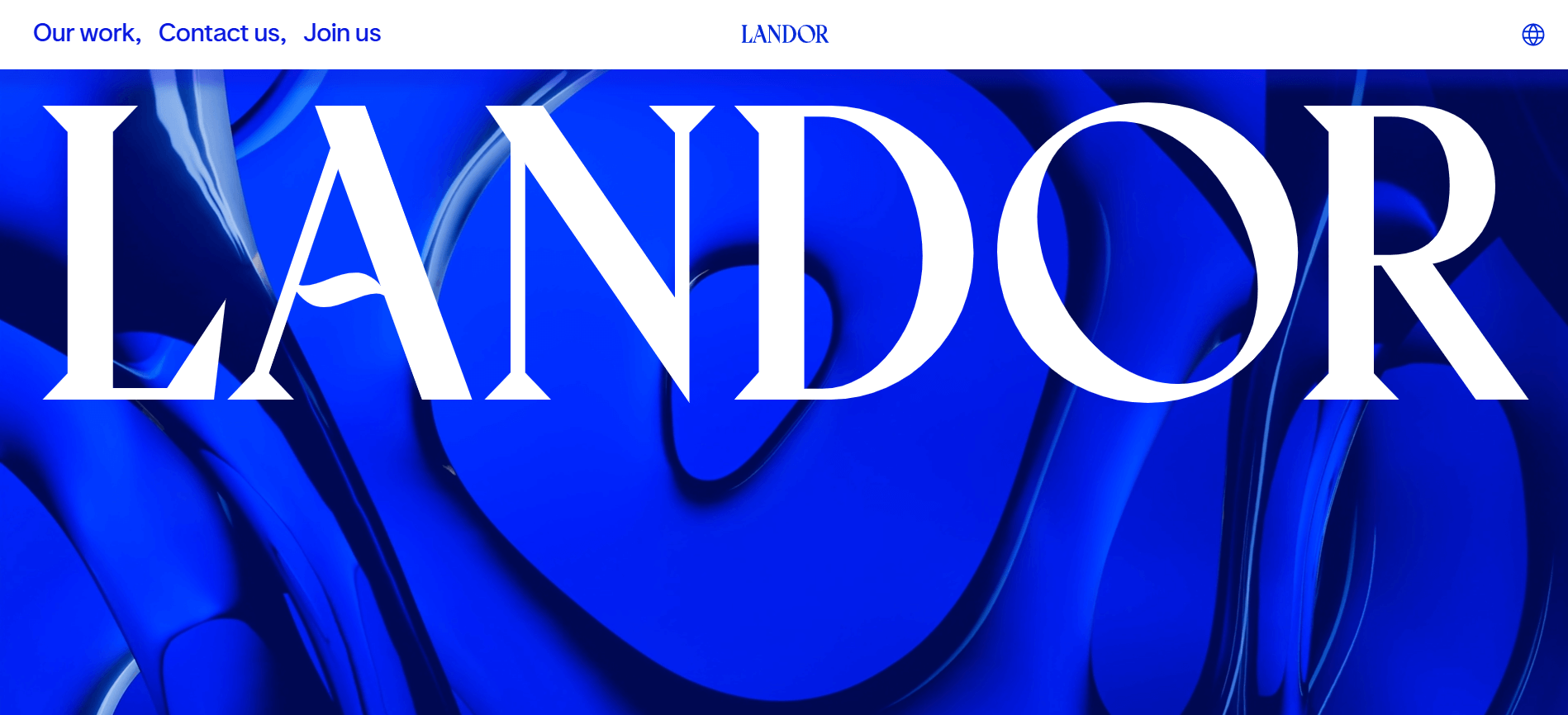
Landor brings global scale to high-stakes identity programs. With offices across more than 30 cities, the firm pairs brand consulting with design, experience, and even sonic branding when a launch needs a full orchestra. Case studies span Volkswagen Group, Saudia and the Australian Open.
Discovery and architecture map complex portfolios before identity and guidelines roll out across packaging, retail and digital. Large organizations appreciate the global QA and localization muscle for consistent delivery. If you are coordinating regions and vendors, this kind of reach matters.
Key Features:
Global brand consultancy with a large international office network
Services covering strategy, architecture, identity and experience
Experience managing complex multi-brand and multi-region portfolios
High-profile work in sectors like automotive, aviation and sport
Pros:
Strong operational capacity for large, multi-market rollouts
Integrated strategic and creative teams for end-to-end programs
Detailed guidelines and governance support for in-house brand teams
Cons:
Best suited to organisations with bigger budgets and longer timelines
Process-heavy approach can feel too formal for very lean or early-stage teams
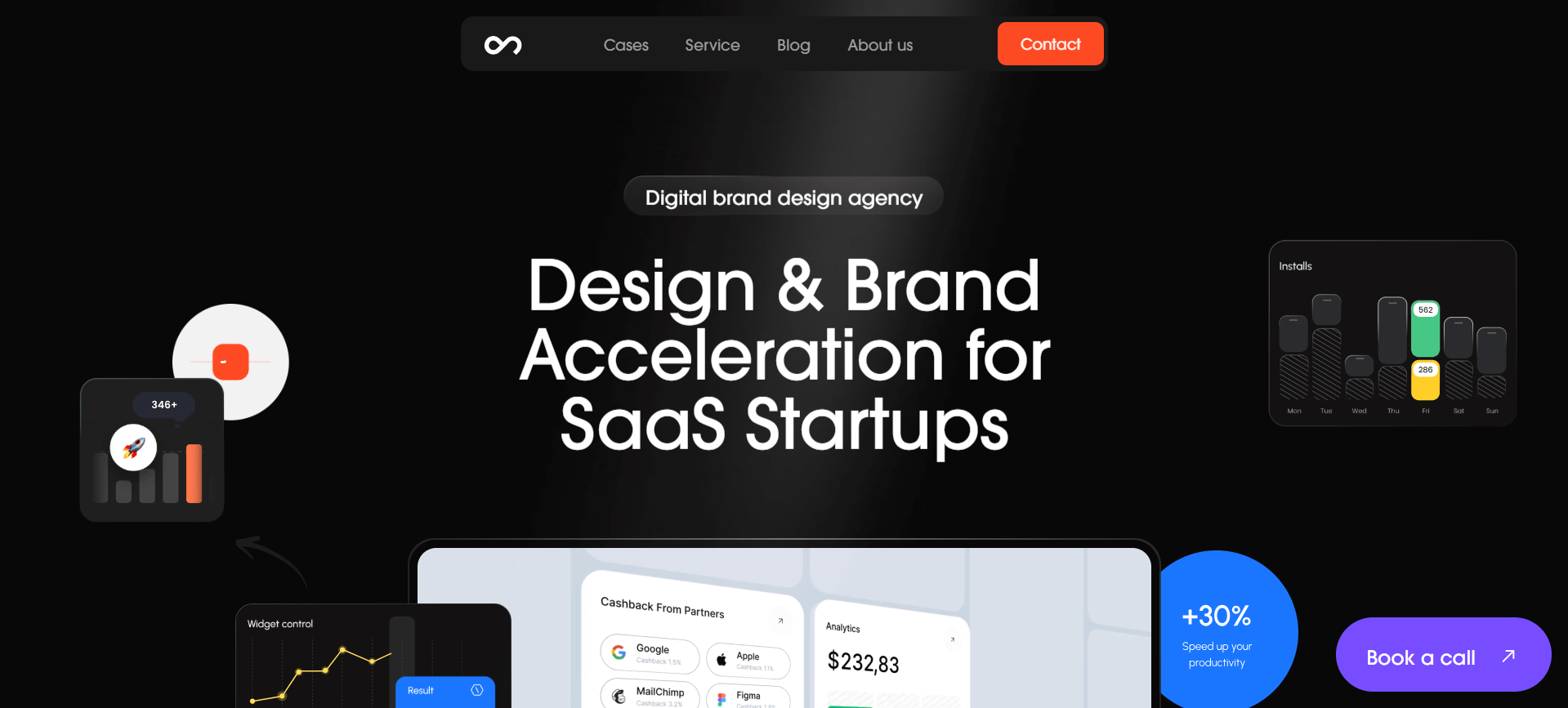
Outcrowd works mainly with fast-growing startups, treating brand and product as one track rather than two separate jobs. The same crew handles everything from early strategy to UI, so logo, website and app line up from the very first sprint. They also share numbers on activation, conversion and retention, which shows they care about what the work actually delivers.
Clients get quick turnaround, files ready to drop straight into Figma and systems shaped for SaaS, fintech and AI/ML products. Their Behance and Dribbble galleries span everything from first MVP launches to brands that are already past Series A. For founders who want to hire best logo designers who can both ship and keep iterating, that mix lands well.
Key Features:
Clear focus on startups and fast-moving tech companies
Service offering that links brand work closely with product and UX/UI design
Strong emphasis on metrics such as activation and conversion
Background across SaaS, fintech, AI/ML and other digital-first niches
Pros:
Works well for product teams that need brand and interface aligned from day one
Sprint-friendly, iterative way of working suits startup tempo Figma-ready assets and systems that slot cleanly into product workflows
Cons:
Remote-first collaboration may not appeal to teams wanting lots of in-person time
Digital-led mindset can feel less relevant for brands with mostly offline touchpoints
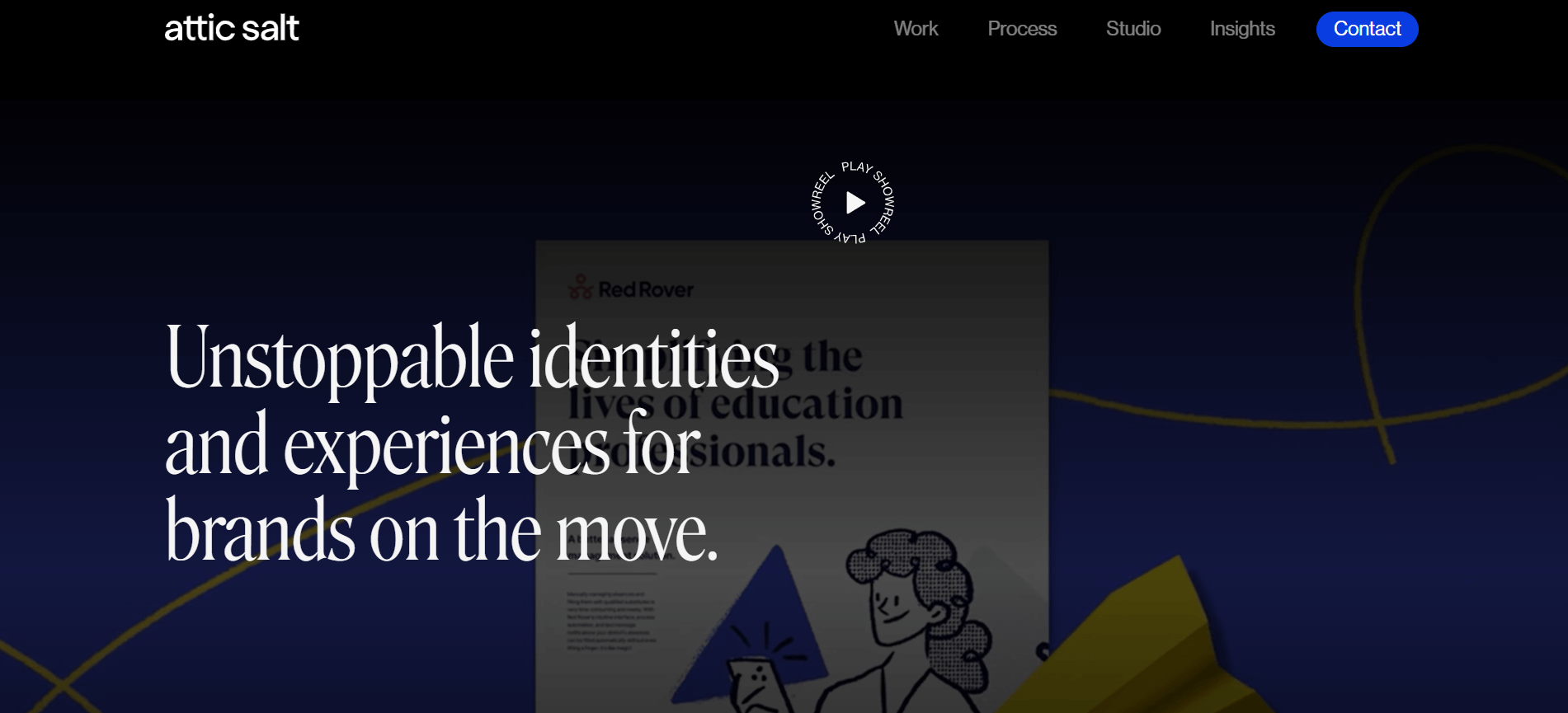
AtticSalt partners with challengers who are entering a new chapter. Strategy, naming and narrative set direction, then identity and motion translate the story into something visual and repeatable. Reviews and rankings highlight bold marks that cut through crowded categories.
The studio scopes engagements to the moment, from a rapid positioning sprint to a full rebrand with guidelines and launch collateral. That flexibility keeps momentum without long commitments. Teams value the mix of sharp messaging and confident visuals.
Key Features:
Boutique branding studio focused on challengers and changemakers
Capabilities across strategy, naming, narrative, identity and motion
Strong reputation for bold, high-impact visual language
Flexible engagement models from quick sprints to full rebrands
Pros:
Great option for brands undergoing major shifts like pivots or rapid growth
Characterful work that helps companies stand out in noisy markets
Agile scoping that matches different budget and timing needs
Cons:
Bold creative approach may not match very conservative or legacy-driven brands
Smaller team size can limit capacity for very large, simultaneous rollouts
Hey Studio blends graphic design and illustration into logo systems that feel optimistic and clear. Strong geometry, vibrant color and sturdy type give the work a recognisable signature without boxing in applications. The studio pairs client work with self-initiated projects that sharpen craft.
Work for Apple, Vodafone, Penguin Random House and Oxfam proves the same approach can handle tech, publishing and nonprofit brands. Deliverables come packaged for screens, print pieces and simple motion use, which keeps implementation straightforward. The look tends to resonate with teams asking for identities that are fresh, approachable and easy to live with..
Key Features:
Barcelona-based studio with a distinct geometric and colourful style
Blend of graphic design, illustration and identity work
Portfolio spanning tech, publishing and nonprofit organisations
Deliverables prepared for digital, print and simple motion use
Pros:
Very recognisable, friendly visual language that feels modern and approachable
Strong suitability for brands that want warmth and personality in their identity
Experience applying systems consistently across multiple media
Cons:
Signature style may not align with brands seeking a very neutral or corporate look
Smaller studio scale may mean limited bandwidth for very large, multi-country programs
How To Choose A Logo Partner With Confidence
That shortlist is only the starting point. Spend time checking how you get along with the team and how the project will actually run, then write down what “success” should look like six months after launch and use that as your filter. When speed matters, ask about sprints and who makes final calls; when you want bigger, system-level thinking, ask to see full identity programs from the best logo designers in 2026, not just a logo page in a deck.
Start with a tight, well-defined first phase and lock roles and owners from day one. Put in the agreement that you’ll receive source files, a lean component library, motion guidelines, and a practical rollout schedule, so the team knows the order and timing. With those basics set, picking from the top logo design companies in 2026 becomes a clear business call, not a coin flip.
If you want to feature your logo design company on this list, email us or submit a form in the Top Choices section. After a thorough assessment, we’ll decide whether it’s a valuable addition.