
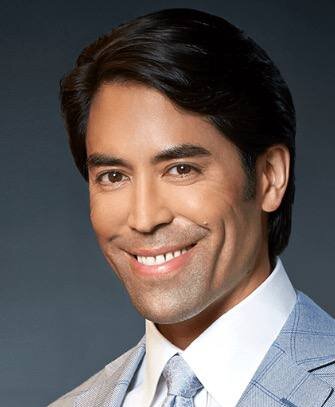
Ariel N. Rad
Plastic surgeon specializing in facial aesthetics / co-founder
SHERBER+RAD
Please introduce your practice and describe your role within it.
I am a board-certified plastic surgeon specializing in facial aesthetics and co-founder of SHERBER+RAD in Washington, D.C. I lead the surgical side of the practice. My focus is facial aesthetic surgery, primarily deep-plane and endoscopic facelift procedures. I oversee surgical planning, safety protocols, patient selection, and long-term outcomes. My wife and partner, Dr Noëlle Sherber, leads dermatology. We operate as an integrated unit.
What is your practice model – fully in-house or hybrid?
We are fully in-house for clinical care. Surgery, dermatology, and skincare planning are coordinated internally. All surgical procedures are performed in hospital-based facilities. We do not outsource surgical work. That control protects quality and safety. Administrative functions are handled by a dedicated internal team.
How do you differentiate in a crowded aesthetic market?
Restraint. Integration. Depth. I focus on a narrow set of procedures and refine them. I have performed more than 3,000 facelifts. We integrate dermatology and surgery under one care plan. We avoid trends that lack evidence. I say no often. That is part of our differentiation.
Who do you primarily serve?
We serve professionals, diplomats, citizens from the local community as well as global clients who value discretion and natural outcomes. Over time, the common thread has become long-term thinking. Many patients want subtle improvement, not transformation, and results that last.
What services are most in demand?
Deep-plane facelift surgery. Endoscopic brow and midface procedures. Long-term facial rejuvenation planning. I do not focus on body procedures or trend-driven treatments.
How do you stay ahead when data moves quickly?
I do not chase fast data, trends or technologies lacking scientific merit. I rely on anatomy, peer-reviewed research, surgical repetition, and outcomes tracking. Scientifically sound, evidence-based practice is at the core of my work. I review my own cases regularly. Fundamentals do not expire but rather continue to refine and strengthen my core foundation and focus on safety and excellence.
Do you have repeat patients?
Yes. A significant portion of our practice is repeat or referral-based. Loyalty comes from honest consultation, realistic outcomes, and consistency. We do not oversell. We build plans that extend over years.
How do you measure patient satisfaction?
Direct conversations with regular follow-up cadence. I’m invested in my patients’ happiness and if they have concerns and are willing to work together collaboratively, then I’m always here for them. Long-term outcome stability is key, and I look at how results age over time. I track revision rates and complication rates and always seek ways to mitigate or eliminate them. Low revision rates means happier patients which matter more to me than short-term praise.
What post-operative support do you provide?
Structured follow-up with clear recovery instructions are key. Patients always have direct access to our team during the healing phase, and direct access to me on weekends and after hours in case they have urgent concerns. I am attuned to every detail of recovery, from management of swelling, nerve function, incision healing, and patient comfort and always optimise their recovery by collaborating with Dr. Sherber for dermatologic expertise.
How does pricing work in your practice?
Surgical procedures are quoted as comprehensive packages. That includes facility fees, anaesthesia, nursing care and follow-up care. Since surgery is a significant investment we try our best to bring it within reach. Fees are updated if patients desire significant changes to the surgical plans. However, if patients desire minor add-ons or slight changes to the surgical plan to fit their goals and comfort level, then I’m always accommodating provided it falls within safety limits.
What is the typical price range for surgery?
Facial aesthetic surgery varies based on complexity, anesthesia requirements, whether revision or staged surgery is planned and numerous other factors. Specific figures are discussed privately with patients as fees are unique to each individual. Patients appreciate that our practice is not like shopping Amazon where commodity pricing is the same. Pricing reflects the highest level of surgical skill, experience, artistry and safety, as well as hospital-based care and integrated planning. We balance value with safety.
Have you turned down cases based on scope or budget?
Yes, many times – when expectations are unrealistic or safety is compromised, I decline. If a patient is not aligned with a natural result philosophy, or their expectations are not calibrated to what is achievable, or they are pushing the envelope of safety, then these are all reasons to decline surgery. Minimum fit includes psychological readiness, realistic goals, and medical suitability.
What challenges have you faced recently?
The rapid normalisation of cosmetic trends through social media can distort realistic goals. Many patients arrive influenced by edited imagery and this is a real challenge. We respond with education and anatomy-based explanations in order to bring expectations to reality. Clarity reduces impulse, though if patients remain focused on unrealistic goals and I feel it’s not in their best interests, then we cannot proceed.
How do you foster innovation?
Through refinement of existing principles and techniques, not novelty. I study and refine my surgical techniques, drawing on advancements from the scientific literature and from colleagues who are on the forefront of aesthetic surgery as I am. I adjust based on long-term outcomes. Innovation in my field often means improving subtle details rather than inventing new procedures.
What role does culture play in your success?
Culture is discipline. Calm environment. No rushed consultations. Privacy built into the physical layout. Our team communicates directly and clearly. That reduces errors.
Where do you see the practice in 5-10 years?
More refined, not larger since expansion often dilutes quality. I see my self continuing to focus on facial surgery at the highest level, always optimising safety and outcomes. Ongoing advocacy for board certification and patient safety. I value depth over expansion.
How has your leadership evolved?
Early in my career, I tried to do too much. I narrowed my focus. Leadership now means clarity of standards and consistent expectations.
What emerging shifts interest you?
Greater patient demand for natural results. More scepticism about aggressive change. That aligns with my philosophy.
What advice would you give to leaders in your field?
Master a narrow craft. Measure outcomes honestly. Build systems around safety. Say no when necessary. Excellence compounds slowly.
More REVERB Interviews
- Grace Huang — Trauma-Informed Healing Practitioner and Relationship Coach
- Hope Jacoby — Owner and Operator
- Ben Barton — Medical Consultant
- Tangela Q. Parker — Enterprise Leader
- Lee Lorenzen — Founder
- Janice Crowder — Obstetrician and Gynecologist
- Harpinder Brar — Owner and Operator
- Flora Dong — Founder and Managing Partner