
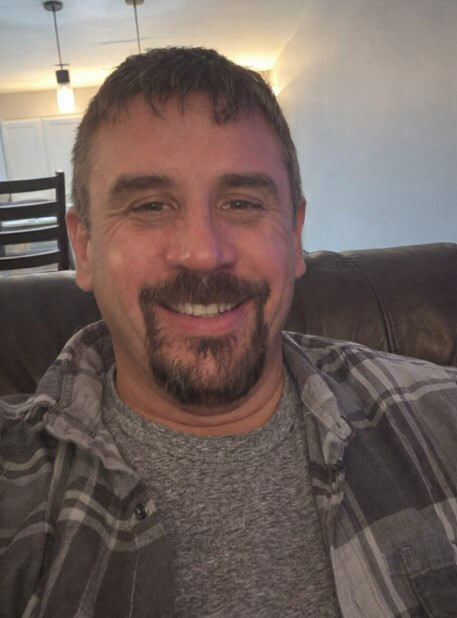
Brian Hagerty
District Manager
Waffle House
Can you describe the role you’ve played in leading teams across the service industry and how you’ve shaped vision, culture, and direction?
I’ve led teams primarily in the restaurant industry, most notably as a district manager at Waffle House. I oversaw multiple locations. My role was operational. I focused on standards, training, staffing, and consistency.
Vision in that environment is simple. Clean stores. Fast service. Accurate orders. Respectful teams.
Culture starts with what you tolerate. I set clear expectations. Be on time. Follow process. Support your team. Treat customers with respect.
Long-term direction in restaurants is about stability. High turnover is common. My job was to reduce that. We did that through better onboarding and consistent communication.
How do you build teams and systems to execute strong operations across multiple locations?
I start with training. Day-one training matters. If someone is not trained properly at the beginning, you spend months fixing issues.
I believe in written standards and repeatable systems. Open the store the same way every shift. Close the same way. Handle rushes with a defined role structure.
I kept core functions in-house. Training, hiring, shift leadership. External partners were limited because speed and control matter in restaurant operations.
You cannot scale chaos. Systems come first. Then you build leaders inside those systems.
From an operational leadership perspective, how did you ensure your locations stood out in a competitive market?
In the restaurant industry, you do not win with slogans. You win with execution.
Speed of service. Cleanliness. Accuracy.
I walked stores regularly. I did not manage from an office. I watched ticket times. I listened to customer feedback directly.
Consistency made us competitive. Customers return when they know what to expect.
Which teams and communities did you feel most responsible for serving in your leadership roles?
First, my associates. If they were not supported, nothing worked.
Second, our customers. Most were working families and shift workers. They needed quick, reliable service.
Over time, my focus shifted more toward developing shift leaders. Training future managers created stability. That became a priority.
What problems did you most often solve as a district manager, and how did you decide where to focus?
Staffing gaps. Inconsistent training. Poor shift communication.
I focused on issues that affected daily operations. If ticket times were high, we reviewed the workflow. If turnover was high, we reviewed onboarding and leadership behavior.
I did not chase minor complaints if the core systems were broken. Fix the root problem. The rest follows.
How did you stay ahead of operational challenges in a fast-moving service environment?
Restaurants move in real time. There is no delay.
I reviewed performance daily. Sales. Labor percentages. Overtime. Customer volume patterns.
But numbers only tell part of the story. I spent time in-store. Observing is better than guessing.
You adjust schedules. You retrain when needed. You correct behavior early.
What does long-term trust with associates and customers look like in your world?
With associates, trust means fairness. Clear rules applied evenly.
If someone struggled, we coached them. If someone performed well, we recognized it.
With customers, trust means reliability. Same quality every visit.
Trust is built through repetition. Not speeches.
How do you define success in service operations, and how did you hold teams accountable?
Success is stable staffing, controlled labor costs, strong shift execution, and repeat customers.
Accountability starts with clarity. Every role had defined responsibilities.
If standards slipped, we addressed it immediately. Not weeks later.
I believe in direct conversations. Calm. Specific. No drama.
After leaving district management, how did you continue applying leadership principles as a professional bartender?
Bartending is still operational. It is just closer to the customer.
You manage speed, accuracy, and customer interaction at once.
I applied the same principles. Preparation before the shift. Clean station. Organized inventory. Clear communication with servers.
Consistency builds reputation. That is true whether you manage ten stores or one bar.
How do you think about pricing and value in the service industry?
I was responsible for labor control and cost management. Value means delivering quality within cost targets.
You cannot overspend on labor. But you also cannot understaff.
Balance comes from forecasting volume and scheduling accordingly.
Fair value means the customer feels the experience matches the price.
Have you ever turned down opportunities that looked good on paper? What guided that decision?
Yes. If the environment lacked structure or clear standards, I avoided it.
Title alone is not enough. If the operation is unstable and leadership is inconsistent, it becomes reactive work.
I prefer structured environments where systems can function.
What were the most meaningful challenges you faced as a leader?
High turnover. Burnout. Staffing shortages.
The service industry is demanding. Long hours. Tight margins.
Those challenges forced me to focus on training and internal promotion. Developing shift leaders reduced pressure on everyone.
How did you create space for improvement while maintaining discipline?
Innovation in restaurants is often small. Workflow adjustments. Prep changes. Shift structure tweaks.
I encouraged feedback from associates. They see problems first.
But any change had to improve speed, quality, or cost control. Otherwise, we stayed with the standard.
What role does culture play in performance, and what behaviors did you model?
Culture drives shift energy.
If the manager is calm, the team is calmer. If the manager panics, the shift collapses.
I showed up on time. I stayed visible. I handled conflict directly.
Consistency in behavior sets the tone.
Looking ahead, what kind of impact do you want your leadership to have long-term?
I want to be known for building capable teams.
Not for titles. Not for recognition.
If people I trained can run strong operations on their own, that is impact.
How has your leadership philosophy evolved over time?
Early on, I focused heavily on control.
Over time, I shifted toward preparation. Train well. Define standards. Then trust people to execute.
Micromanagement slows growth.
Which shifts in the service industry interest you most?
Technology in scheduling and inventory management is useful.
But tools only work if people follow process.
The fundamentals of service have not changed. Speed. Respect. Accuracy.
What advice would you give emerging leaders in the service industry?
Learn operations deeply. Do every role at least once.
Do not lead from a desk. Lead from the floor.
Train thoroughly. Correct early. Stay calm under pressure.
Leadership is not about energy. It is about consistency.
More REVERB Interviews
- Branden Pearson — Project Leader
- Ron Mix — Pro Football Hall of Fame member and attorney
- Karla Van Winkle — Director of Talent Development
- Antaun Barnett — Managing Principal
- Said Abulafia — CEO
- Javier Burillo Azcárraga — Founder and Chairman
- Flora Dong — Founder and Managing Partner
- Bryan Scott McMillan — Medical Device Executive Advisor