
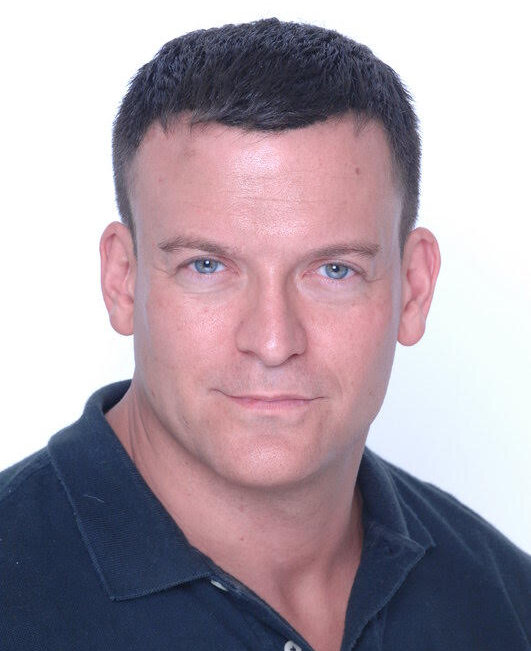
Robert Kravitz
President and Managing Partner
NFRC Companies
Please introduce NFRC Companies and describe the role you play in shaping its direction and operations.
I am the President and Managing Partner of NFRC Companies. We operate as a direct lending and capital stack management platform focused on commercial real estate, bridge lending, and business financing. My role is operational. I oversee deal sourcing, underwriting review, capital structuring, and execution. I also manage relationships with borrowers, investors, and referral partners. Most of my work involves structuring senior debt, preferred equity, and mezzanine financing for transactions ranging from $1 million to $100 million. My focus is to keep the system efficient, so deals move from evaluation to closing with clarity.
How do you think about building the systems and partnerships needed to execute your lending platform?
Our model is hybrid. Certain functions stay in-house. That includes underwriting review, capital structuring, and final decision-making. These are areas where experience and speed matter. Other functions are partnership-driven. We work with aligned capital groups, legal teams, servicing partners, and brokers. The principle is simple: control the parts of the process that determine risk and structure. Partner where scale or specialization improves execution.
From your perspective, how does your firm stand out in a crowded lending market?
Most lenders focus on one layer of the capital stack. We operate across several layers. That includes senior debt, mezzanine capital, and preferred equity. Because of that, we can structure deals more flexibly. Another difference is experience with distressed situations. Since 2008, we have operated a commercial workout and advisory function that deals with non-performing loans and restructurings. That experience changes how we evaluate risk at the front end.
Which sectors or clients do you primarily serve today?
Our primary focus is on commercial real estate investors, developers, and business owners who need structured financing. Many projects fall into the categories of bridge lending or transitional real estate. That might include acquisitions, refinances, repositioning projects, or complex ownership structures. We also work with business owners who are buying or selling operating companies where real estate or capital restructuring is involved.
What problems do clients most often come to you with?
The most common problem is complexity. Many deals do not fit standard bank underwriting guidelines. That might involve timing issues, ownership structures, or distressed assets. Clients usually come to us when traditional lenders cannot move quickly or cannot structure the deal properly. Our role is to analyze the capital stack and determine whether a workable structure exists.
How do you stay informed in an industry where market conditions change quickly?
The lending market moves in response to interest rates, employment data, and capital flows. I spend a lot of time reviewing market data, tracking transactions, and speaking with partners across the lending ecosystem. Experience also matters. After working through thousands of transactions, you develop a sense for how different cycles affect deals.
What does long-term trust with borrowers and partners look like to you?
Trust is built through consistency. We communicate clearly about what we can and cannot do. If a deal fits our structure, we move quickly. If it does not, we say that early. Over time, clients understand how we operate. That transparency creates long-term relationships.
How do you define success for a financing project?
Success means the capital structure works and the project moves forward as planned. That includes clear documentation, realistic timelines, and aligned expectations between borrowers and capital partners. If a transaction closes smoothly and the borrower can execute their business plan, the structure did its job.
What responsibility do you believe a lender has after a deal closes?
The work does not stop at closing. Markets change and projects evolve. We stay engaged with borrowers when needed, particularly in situations involving refinances, restructures, or asset repositioning. The goal is to keep communication open so problems can be addressed early.
How do you approach pricing and value alignment in lending transactions?
Pricing reflects risk, time horizon, and capital structure. A bridge loan is priced differently than long-term debt because the circumstances are different. The important part is transparency. Borrowers should understand why a structure looks the way it does.
How do you think about fairness when it comes to lending terms?
Fair value means the structure works for both sides. Borrowers need capital to move the project forward. Capital partners need a structure that compensates for risk. When both sides clearly understand the terms, the transaction is sustainable.
Have you ever declined opportunities that appeared attractive on paper?
Yes, frequently. A deal can look strong on paper but still present structural problems. Sometimes the timeline is unrealistic. Sometimes the capital stack is not balanced. In those situations, it is better to step back rather than force a transaction.
What challenges have shaped the way you lead your organization?
Market cycles are the biggest teacher. The lending environment changes with interest rates, economic conditions, and capital availability. Working through both strong and difficult markets forces you to refine processes and stay disciplined.
How do you create room for innovation while maintaining operational discipline?
Innovation in lending usually comes from structuring. We look at deals from multiple angles and consider how capital layers can work together. At the same time, underwriting discipline remains consistent. Structure can be creative, but risk evaluation cannot be casual.
What role does culture play in performance within your organization?
Culture in our environment is about accountability and clarity. Deals move quickly and require accurate information. Everyone involved needs to communicate clearly and document decisions. That discipline keeps operations stable.
Looking ahead, what impact do you want your work to have in the industry?
I want our platform to continue solving complex financing situations. Many projects require flexible capital structures that traditional institutions cannot provide. If we continue helping those transactions move forward responsibly, that impact is meaningful.
How has your leadership approach changed over time?
Early in my career, I focused mostly on individual transactions. Over time, the focus shifts toward systems and processes. The goal becomes building a platform that can consistently manage complexity.
What emerging shifts in the lending environment interest you most?
Technology is improving data access and transaction speed. CRM systems, data analytics, and digital documentation have changed how deals are tracked and executed. These tools help manage large networks of clients and transactions more efficiently.
What advice would you offer to professionals entering the lending or real estate finance industry?
Focus on understanding structure. Learn how the capital stack works and how different financing layers interact. Pay attention to details and documentation. Deals are built through careful analysis, not assumptions. Over time, experience becomes your most valuable asset.