
Kristopher Marrion
Vice President/Branch Manager
Erie Insurance
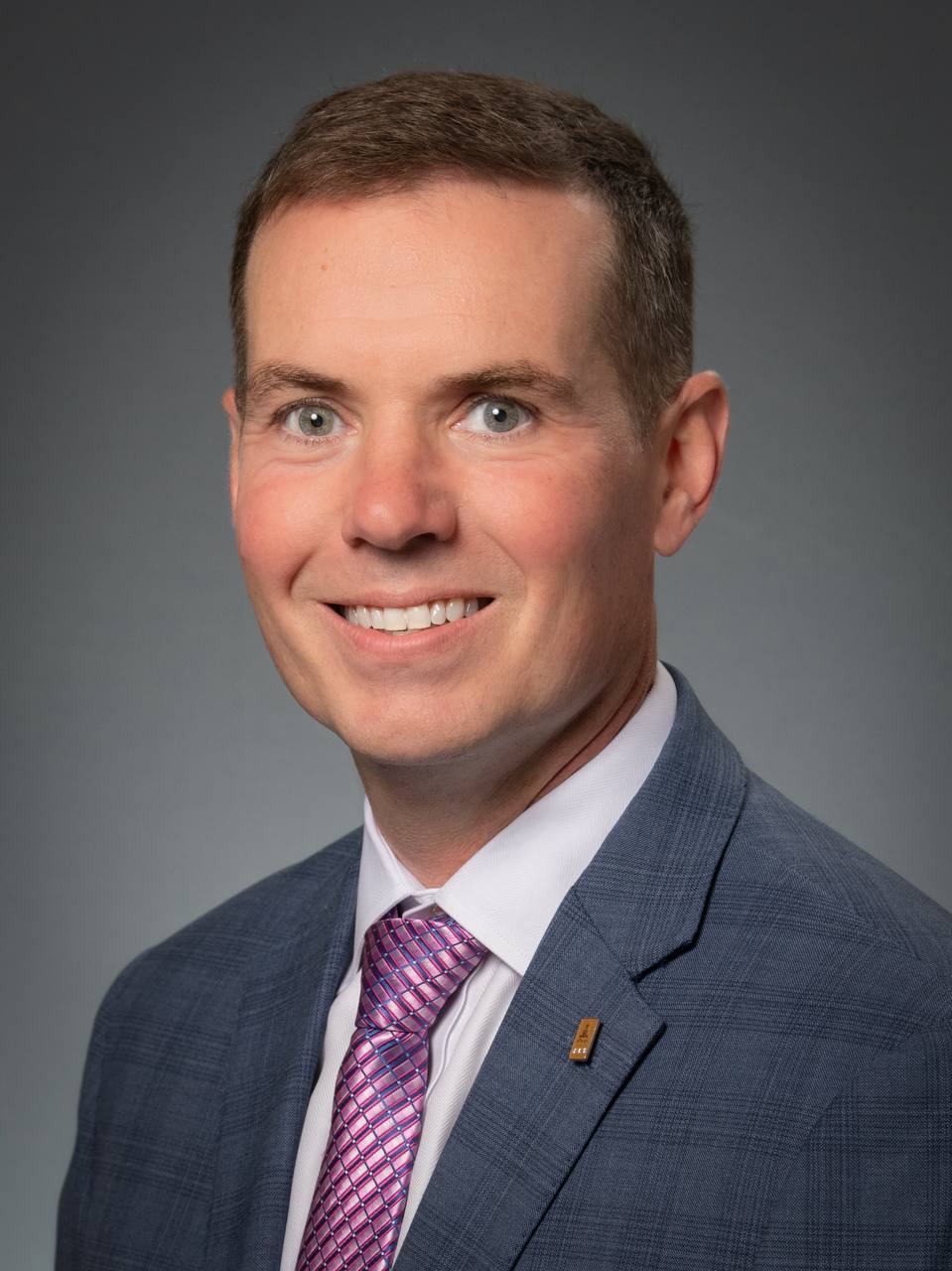
Please introduce your organization and describe the role you play in shaping its vision, culture, and long-term direction.
I work at Erie Insurance, where I serve as a Vice President and Branch Manager. My role focuses on operations, leadership, and relationships. I work with internal teams and independent insurance agents to support clients across our region. At a practical level, that means setting priorities, ensuring teams have clear direction, and ensuring our work reflects the organization’s values. Culture is built through daily behavior. I try to reinforce consistency, accountability, and respect across the team.
How do you build teams and systems to execute that vision?
I focus on clarity and communication. People do their best work when expectations are clear. We rely on a partnership model with independent insurance agents, so collaboration is essential. Internally, we invest in training, communication rhythms, and clear processes. Externally, we maintain regular contact with agency partners. That structure allows everyone to focus on their role while staying aligned.
From a leadership perspective, how do you ensure your organization stands out in a competitive market?
The insurance industry is built on trust and reliability. Products may look similar from the outside. What matters is how consistently an organization shows up for clients and partners. We focus on service, responsiveness, and long-term relationships. When people know they can rely on you during difficult moments, a local person is there to help you through that moment and can step in at the most difficult time, that becomes the differentiator.
Which communities do you feel most responsible for serving today?
The work we do supports families, small businesses, and local organizations in the communities where we operate. That responsibility also extends beyond the office. I volunteer with programs focused on youthful driver training, housing repair, and food distribution. Staying involved locally helps keep the work grounded in real community needs.
What problems do clients most urgently come to you with?
Most situations involve uncertainty. It could be an accident, property damage, or a major life change. People want to understand what happens next. Our role is to provide clear guidance and reliable support through our agency partners. We focus on communication and practical solutions.
How do you stay ahead of industry shifts?
Insurance evolves steadily rather than suddenly. I stay close to agency partners and internal teams because they often see changes first. Listening carefully to what people are experiencing on the ground helps you understand where the industry is moving. I never stop reading about the industry and the impact technology will have on the way we live our lives.
What does long-term trust with clients look like to you?
Trust develops through repeated interactions over time. It comes from responding consistently, communicating clearly, and doing what you say you will do. In this industry, relationships often last decades. That requires patience and reliability.
How do you define success for your clients and partners?
Success means stability and confidence. Agents want dependable support from the companies they work with. Clients want to know that when something unexpected happens, there is a system in place to help them recover. When those expectations are met consistently, the relationship works.
What responsibility do you believe leaders have after a project or policy is delivered?
In insurance, the responsibility continues long after the policy is issued. Leaders need to make sure the systems supporting those relationships remain reliable. That includes training, communication, and ongoing service support.
How do you approach pricing and value alignment in your work?
Pricing is determined through structured underwriting and actuarial systems. My role is to ensure the service and partnership behind those policies are consistent with the expectations that accompany them. Transparency and clarity help everyone understand the value being delivered.
How do you balance accessibility with excellence?
Accessibility comes from clear communication and responsive service. Excellence comes from disciplined processes and well-trained teams. When those elements work together, you can maintain high standards while still being approachable.
Have you ever said no to opportunities that looked attractive on paper? What guides those decisions?
Yes. Not every opportunity aligns with long-term relationships or operational priorities. If something creates misalignment between the company, our partners, and the client, it often becomes a problem later. Saying no early can protect those relationships.
What challenges have shaped your leadership approach in recent years?
Leading teams through change has been one of the most meaningful challenges. When you step into a new leadership role or environment, it is important to understand the existing culture before making changes. Technology is changing our industry faster now than ever before, AI will impact our company and the industry, how can we adopt tools that help us build deeper connections with the community and our partners. That experience reinforced the importance of listening first.
How do you create space for innovation while maintaining focus and discipline?
Innovation in this field often happens through process improvements. We look for ways to improve workflows, communication, and service systems. Maintaining strong operational discipline creates the space for those improvements.
What role does culture play in performance?
Culture shapes how people respond to pressure and responsibility. A strong culture encourages accountability, teamwork, and professionalism. As a leader, I try to model consistency and respect in everyday interactions.
Looking ahead five to ten years, what impact do you want your work to have beyond growth metrics?
I want the organization and teams I work with to remain reliable partners in the communities we serve. That means strong relationships, well-developed teams, and continued involvement in community programs that support safety and stability.
How has your leadership philosophy evolved over time?
Early in my career, I focused on learning the business itself. Over time, I realized leadership is less about directing people and more about supporting them. The goal is to remove obstacles and give people the tools they need to succeed.
Which emerging technologies or shifts interest you most right now?
Technology is improving how information moves between companies, agents, and clients. Better systems can reduce delays and improve communication. AI is quickly becoming a big part of our lives, it has the potential to leverage existing strengths while building on our blind spots, that ultimately benefits everyone involved.
What advice would you give to emerging leaders?
Take time to understand every part of the organization. My career started in the mail room. That experience gave me perspective on how different roles connect. Leadership becomes easier when you understand how the system works from the ground up.