
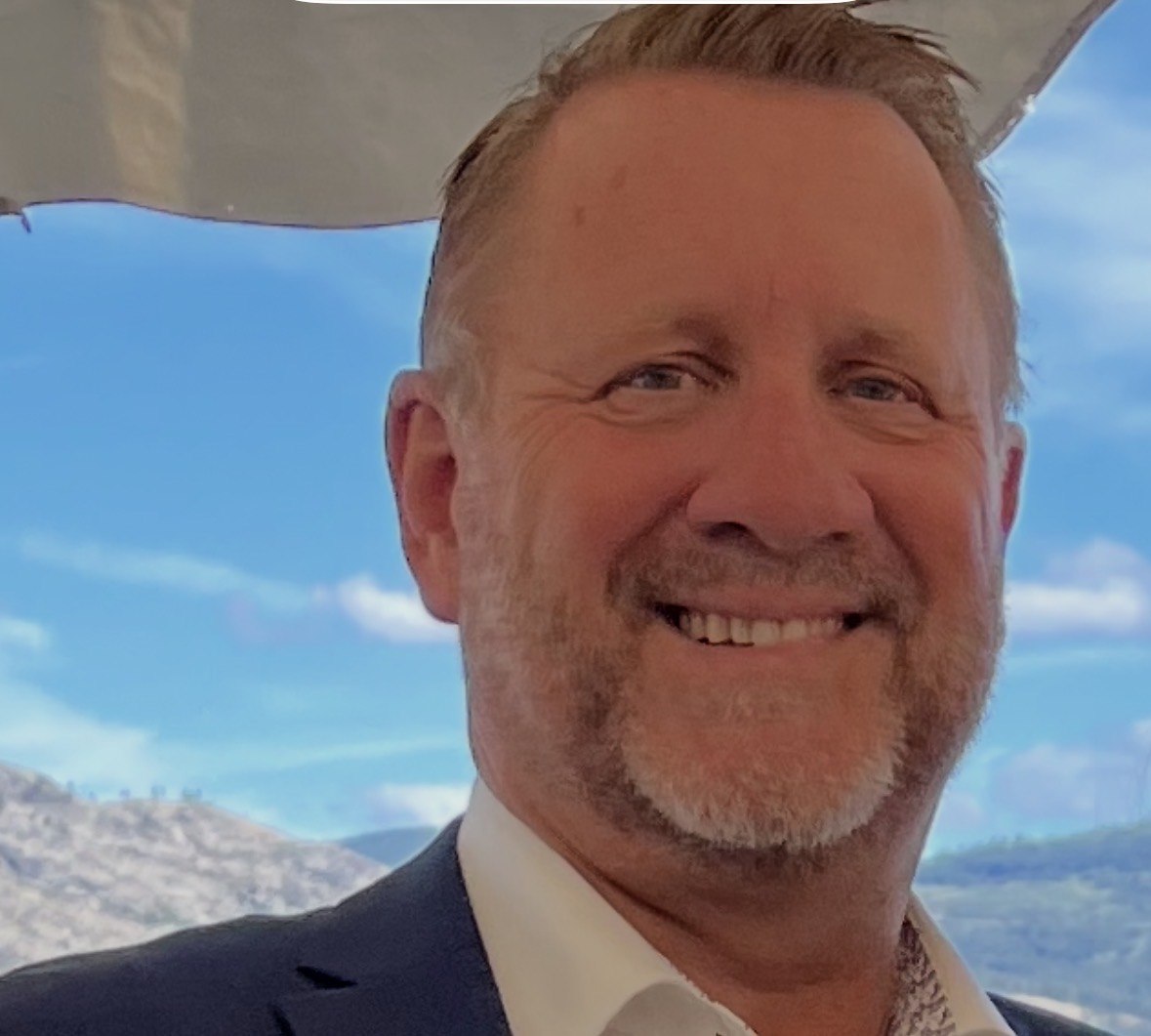
Frank Elsner
Chief of Safety and Security
Natural Factors Group of Companies
Please introduce your current role and describe what you do within your organisation.
I am the Chief of Safety and Security for Natural Factors Group of Companies. My role is to design and oversee systems that protect people, operations, and assets. I focus on risk management, incident response, and long-term planning. I work with internal teams and external partners to ensure consistency across sites.
What is your operating model – do you rely on internal teams, external partners, or a hybrid approach?
It is a hybrid model. We have internal teams responsible for day-to-day operations. We also use external specialists for audits, intelligence, and technical support. The balance depends on risk level and location.
How do you differentiate your approach in a crowded security and risk environment?
I bring a policing and intelligence background into a corporate setting. That changes how we assess risk. We focus on prevention and information flow, not just response. The goal is clarity, not complexity.
What sectors or environments do you primarily work within, and how has that changed over time?
I spent most of my career in public policing. That included municipal, provincial, and intelligence work. Now I operate in the private sector. The core principles are the same, but the environment is more integrated with business operations.
What are the most common problems you are asked to solve?
Risk assessment is the main one. That includes physical security, operational risk, and incident planning. I also deal with internal processes and coordination across teams.
How do you stay ahead of changes in your field?
I rely on networks and structured information. I stay connected with law enforcement and industry groups. I also review intelligence reports and trends regularly. You cannot rely on static information.
Do you see repeat engagement or long-term reliance on your function?
Yes. Security is not a one-time project. It requires ongoing adjustment. Once systems are in place, they need to be reviewed and updated. That creates continuity.
How do you measure effectiveness in your role?
We look at incident frequency, response time, and disruption levels. Fewer incidents and faster resolution are key indicators. Clarity in reporting also matters.
What kind of ongoing support do you provide after systems are implemented?
We maintain regular reviews and updates. That includes training, audits, and scenario planning. Support is continuous, not reactive.
How are resources and budgets typically structured for your function?
Budgets are planned based on risk levels and operational needs. Some areas require fixed investment. Others are flexible depending on exposure. It is not a one-size model.
What range of scope do your projects typically cover, and how do you balance cost with effectiveness?
Scope varies. Some projects are site-specific. Others are organisation-wide. The focus is on proportional response. You match the solution to the actual risk.
Have you declined initiatives based on scope or alignment? What are your minimum requirements?
Yes. If the scope is unclear or the commitment is not there, it does not work. You need leadership support and defined objectives. Without that, outcomes are limited.
What key challenges have you faced in recent years?
The transition from public policing to corporate work was one. The pace and structure are different. You have to align safety with business goals.
How do you approach innovation and change in your field?
I focus on practical application. New tools are useful, but only if they improve outcomes. The process comes first, then the technology.
What role does culture play in effective security operations?
It is critical. If people do not understand their role in safety, systems fail. Culture creates consistency.
How do you build and maintain that culture?
Through communication and training. Expectations need to be clear. Leadership also has to model the behaviour.
Where do you see your role and function evolving in the next 5–10 years?
Security will become more integrated with operations. It will not sit separately. It will be part of planning and decision-making at all levels.
What has shaped your leadership style over time?
Experience across roles. I worked in undercover operations, intelligence, and executive leadership. Each stage required a different approach.
What trends are you paying attention to right now?
Information flow and coordination. The volume of data is increasing. The challenge is making it usable.
What advice would you give to those looking to move into leadership roles?
Build a broad base of experience. Understand the system from different angles. One lesson is that progression matters. Each role prepares you for the next.