
Jacob Schmalzle
Founder
Spirit of Service
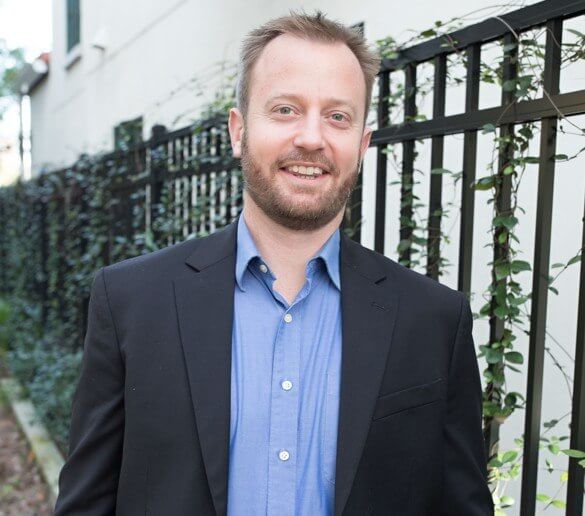
How would you introduce Spirit of Service and explain your role in shaping its direction?
I founded Spirit of Service (SOS) in 2025. The company provides estate executor and trustee services. We step in when an estate needs a third-party fiduciary to manage probate or oversee trust distributions. My role is both operational and strategic. I design the service model, set the standards for how estates are administered, and work directly with clients during the probate process. The vision came from a simple observation. Many estates lose unnecessary value during probate. The process often drags out, and professional fees grow over time. I wanted to build a service that is efficient, transparent, and grounded in stewardship. Our model is straightforward. We charge no more than the state minimum executor fee of three percent. We also donate 10 percent of the fees we collect to a client’s church or preferred charity. That structure reflects the values that shaped the company from the beginning.
How do you think about building the systems and partnerships needed to run an estate administration business?
Estate administration is a hybrid environment. Some work must stay close to the executor. Other parts require outside specialists. At SOS, the fiduciary responsibility stays with us. That includes overseeing probate filings, managing estate accounts, coordinating asset transfers, and handling distributions. We work alongside professionals when their expertise is required. That usually includes probate attorneys, tax professionals, and financial institutions. The key principle is alignment. Everyone involved needs to understand that the goal is to complete the probate process efficiently and responsibly, not extend it unnecessarily. I stay directly involved in the operational flow of each estate. That keeps communication simple for families who are already dealing with grief and administrative stress.
From a leadership perspective, how do you ensure your firm stands out in the estate and probate industry?
The estate administration industry has a predictable structure. Executors are often lawyers, banks, or family members. Each of those options has limitations. Law firms and banks can be expensive. Family members often do not have the experience or time required to manage a complex estate. SOS operates differently. We provide a dedicated executor service that focuses only on administering estates. Another difference is the values framework behind the company. Our work is rooted in Christian stewardship and service. That shows up in how we interact with families and how we structure the company financially. The charitable donation component also changes the conversation around probate. It allows a portion of executor fees to go back into a client’s church or community.
Who do you feel most responsible for serving through this work?
Most of our clients are families navigating loss and transition. They are often dealing with probate for the first time. They may not understand the process or how long it can take. Many come to us because they want a neutral third party managing the estate. That removes pressure from family members who might otherwise have to act as executor. Church communities are another important group we serve. Many churches offer estate-planning programs that encourage legacy giving. When probate becomes necessary, SOS can step in as executor while maintaining that charitable intent.
What problems do families usually come to you with, and how do you decide when to take on a case?
The most common problem is uncertainty about the probate process. Families often ask basic operational questions. Who files the paperwork? How are assets transferred? What happens if there are multiple heirs? Our role is to manage those steps from start to finish. We also evaluate whether we are the right fit. Some estates are simple enough for a family member to administer without professional help. Others require a more experienced executor. When we accept a case, it is because we believe we can provide clear structure and responsible oversight.
How do you stay informed about changes in probate law and fiduciary practices?
Estate administration depends on understanding both legal and procedural requirements. I stay connected to professional networks that focus on fiduciary services and after-loss support. Two groups I am part of are the Professional Fiduciary Council of Florida and Professionals of After Loss Services (PALS). These organizations provide continuing education and professional dialogue around probate, trust management, and estate administration. The goal is to keep improving the operational side of the work.
What does long-term trust with clients look like in your field?
Trust in estate work starts with clarity and consistency. Families need to know that the executor will manage the estate responsibly and communicate clearly about what is happening. That includes explaining timelines, documenting decisions, and keeping beneficiaries informed. The relationship often lasts the entire probate period, which can take months or longer depending on the estate. During that time, the executor becomes a central point of coordination. My job is to make that process structured and predictable.
How do you define success for the families you serve?
Success is measured by the outcome of the estate. Did the estate close properly? Were the beneficiaries treated fairly? Were the client’s wishes respected? I also look at how much of the estate’s value remains with the family and charitable causes. Our work has helped direct more than $2 million in donations to charitable organizations through client estates. For many families, that outcome reflects the legacy they hoped to leave behind.
What responsibility do you believe an executor has once the estate administration is complete?
Once probate closes, the legal responsibilities of the executor end. But the broader responsibility is making sure the estate was handled with integrity. Families should feel confident that the process was managed carefully and respectfully. That means documentation is complete, distributions were handled correctly, and all obligations were fulfilled. Estate administration is not just a technical role. It is also a trust role.
How do you think about pricing in a service that deals directly with family assets?
Executor compensation is typically defined by state guidelines. In many states that fee structure is based on a percentage of the estate. At SOS we follow that structure and do not charge above the three percent state minimum executor rate. That approach keeps pricing clear and predictable. The additional step we take is allocating 10 percent of our fees to charitable giving tied to the client’s preferences.
What does fair value mean to you in this type of service?
Fair value means the family understands what they are paying for and why. The executor is responsible for managing legal filings, asset transfers, communications with beneficiaries, and coordination with attorneys and financial institutions. Those responsibilities carry risk and accountability. The compensation should reflect the work involved, but it should also remain reasonable relative to the estate’s value.
Have you ever turned down opportunities that didn’t align with your approach to estate administration?
Yes.
Not every estate requires a professional executor. Some families are capable of managing probate themselves with legal guidance. If that is the case, I will say so directly. The goal is not to take every opportunity. The goal is to step in where the structure and experience of a fiduciary executor genuinely helps the family.
What challenges have shaped the way you lead Spirit of Service today?
The most significant challenge was personal. Within a short period, I lost my father and my grandmother. That experience forced me to learn the probate process while I was grieving. It showed me how difficult estate administration can be for families who are already under emotional stress. What I thought was my weakest moment became the foundation for how I approach the work today. It taught me that probate is not just a legal process. It is a service moment in people’s lives, and it should be handled with compassion and clarity.