
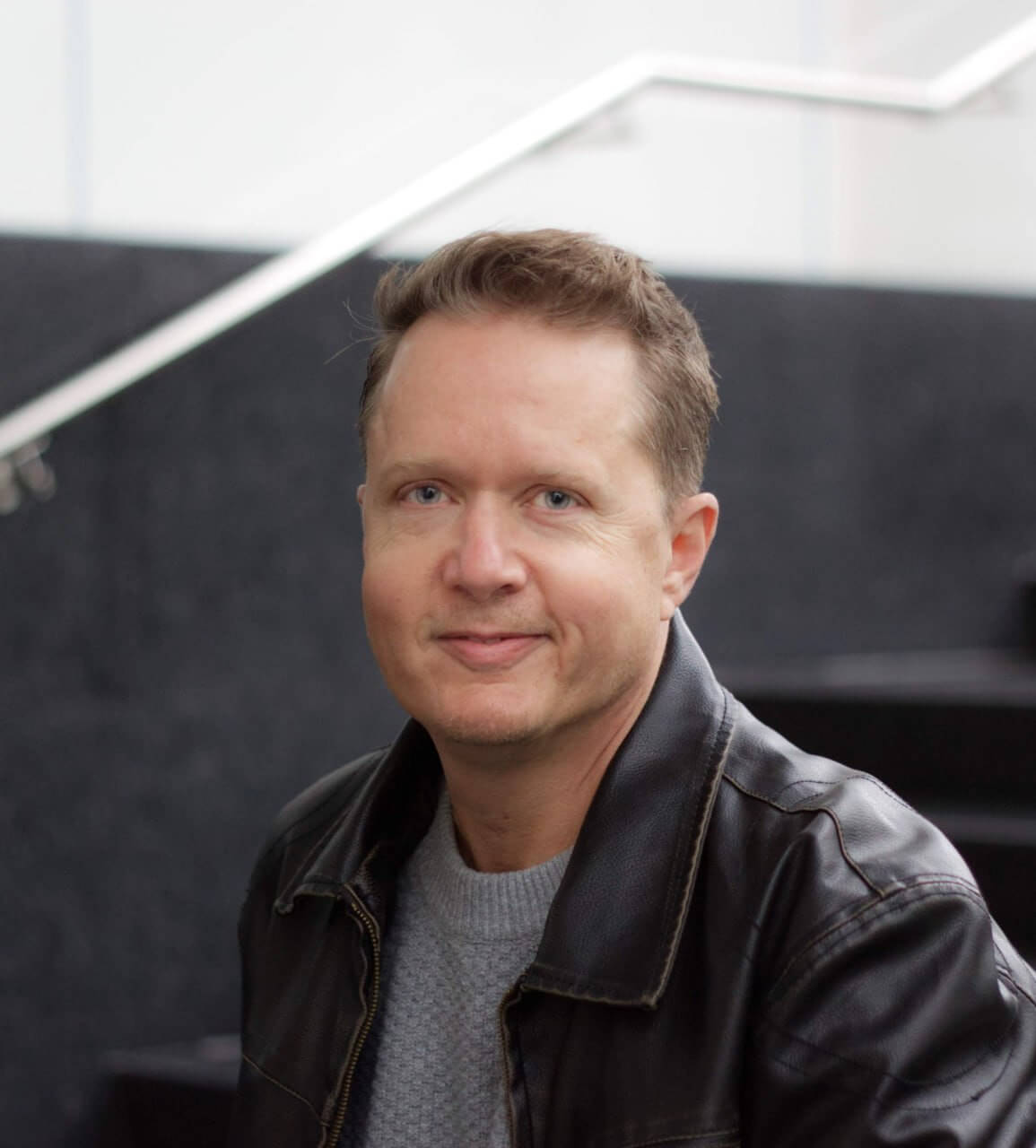
David Torske
Construction Project Coordinator
Can you introduce your role in construction and how you contribute to project direction and outcomes?
I work as a Construction Project Coordinator based in Calgary, supporting residential and commercial builds. My role sits between planning and execution. I focus on scheduling, documentation, and coordination between trades. I don’t set the overall vision for a project, but I help ensure that vision is executed clearly and consistently. That means building structured schedules, maintaining accurate records, and ensuring communication flows between all parties on site.
How do you approach building systems and coordination processes to keep projects moving efficiently?
I focus on structure first. Every project benefits from clear scheduling, defined workflows, and consistent documentation. I use tools like Microsoft Project, Excel, and Procore to map timelines and track progress. I also establish simple communication systems between trades so information doesn’t get lost. If a process works, I standardize it. If it creates friction, I adjust it. The goal is to reduce delays and rework.
From your perspective, how do you stand out in a competitive construction environment?
I focus on reliability and clarity. Many project issues stem from miscommunication or poor documentation. I try to eliminate that. I keep schedules up to date, document changes clearly, and make sure trades know what is expected and when. I don’t try to overcomplicate things. Consistency is what makes a difference over time.
Which types of projects or clients do you primarily support, and how has that focus developed?
I support residential and commercial construction teams. That includes working with multiple trades and helping coordinate timelines across different phases of a build. My focus has shifted toward projects where structured coordination is essential—projects with multiple moving parts in which scheduling and documentation directly impact outcomes.
What problems do teams most often rely on you to solve?
The main issues are scheduling conflicts, communication gaps, and incomplete documentation. I help organize timelines so trades don’t overlap unnecessarily. I make sure project information is recorded and accessible. I also support coordination between teams so expectations are clear. These are practical problems, but they have a large impact on efficiency and quality.
How do you stay current with changes in construction practices and project management?
I rely on a combination of formal training and practical experience. I have a CAPM certification and training in Construction Project Management. I also stay familiar with digital tools used in the industry. Most of what I learn comes from working through real project situations and improving systems based on what works.
What does long-term trust look like in your role, and how do you build it?
Trust comes from consistency. If I maintain accurate schedules, communicate clearly, and follow through on tasks, teams begin to rely on that. Over time, that reduces friction. I don’t focus on short-term impressions. I focus on being dependable across the full project lifecycle.
How do you define success on a construction project?
Success is a project that runs on schedule, with clear communication, minimal rework, and proper documentation. It also means trades are coordinated effectively and issues are addressed early. I don’t control every outcome, but I can influence how organized and efficient the process is.
How do you ensure consistent execution across different projects?
I use repeatable systems. Scheduling templates, documentation standards, and communication structures all help maintain consistency. I adjust them based on project needs, but the core approach stays the same. That reduces variability and keeps things predictable.
What role do you play once a project phase is complete?
I support closeout through proper documentation and handoff. That includes ensuring records are complete and information is organized for the next phase or final delivery. Good documentation reduces risk later, so I treat that as part of the process, not an afterthought.
How do you think about value in your work?
Value comes from reducing inefficiencies. If better scheduling prevents delays or clear documentation avoids mistakes, that has a direct impact on the project. My role is to support that kind of efficiency. It’s not about adding complexity—it’s about making processes work better.
How do you balance thoroughness with practical constraints on a job site?
Time and resources are always limited. I focus on what has the greatest impact—critical-path scheduling, clear communication, and accurate documentation. I don’t try to document everything equally. I prioritize what affects timelines, coordination, and risk.
Have you had to step back from approaches or tasks that didn’t add value?
Yes. Not every system improves a project. If something creates extra work without improving clarity or efficiency, I remove it. The goal is practical execution, not unnecessary process.
What challenges have shaped your approach to project coordination?
The main challenges come from misalignment between teams and unclear information. Those situations show how quickly issues can escalate. They’ve reinforced the importance of structure, communication, and consistency in my work.
How do you support improvement while maintaining discipline on a project?
I make small adjustments rather than large changes. If something can be improved, I refine it without disrupting the overall process. That keeps the project stable while still allowing for progress.
What role does work culture play on a construction site?
Culture affects communication and accountability. If teams communicate clearly and follow through on commitments, projects run more smoothly. I try to support that by being consistent and clear in my own work.
Looking ahead, how do you see your role evolving in construction project management?
I’m working toward expanding into a full Project Manager role. That means taking on more responsibility for planning and execution. The foundation is the same—structure, scheduling, and coordination—but applied at a higher level.
Are there tools or systems you find particularly valuable in your work?
Yes. Tools like Microsoft Project, Excel, Procore, and systems like Moraware help manage schedules and documentation. Digital tools are useful when they support clarity and organization. I use them to reinforce the process, not replace it.
What advice would you give to someone entering construction project coordination?
Focus on fundamentals. Learn how scheduling works, understand how trades interact, and pay attention to documentation. Keep things organized and communicate clearly. Small details have a large impact on projects.
What is one lesson that has changed how you approach your work?
Clear documentation and communication prevent most problems before they start. That has shaped how I approach every project. If information is structured and accessible, everything else becomes easier to manage.