
Akram Alhamidi
Managing Owner
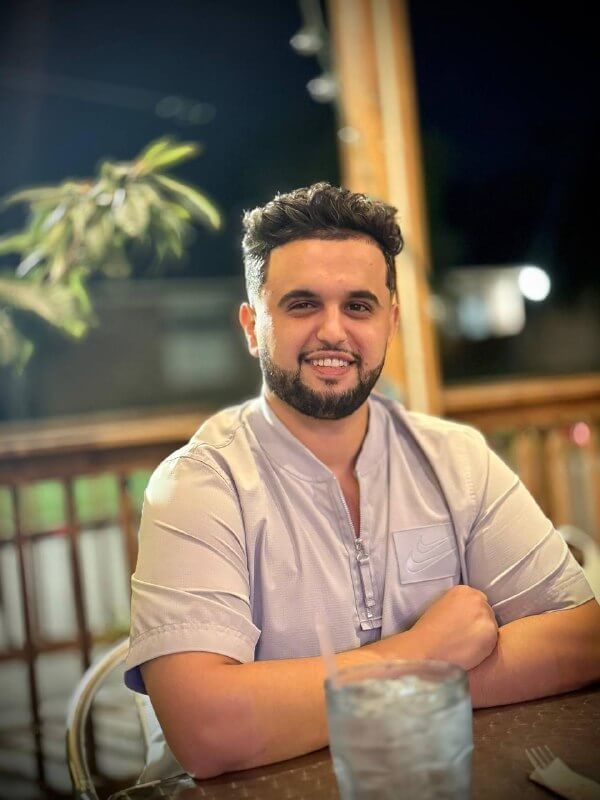
Please introduce your business and describe your role as the owner-operator.
I run a small, service-based operation in an everyday, high-frequency industry. The work is simple in concept but requires daily execution. My role is hands-on. I oversee operations, make decisions in real time, and stay close to the details. I am not removed from the work. I am in it.
What is your core operating model – do you rely on a team, vendors, or a hybrid approach?
It is mostly a hands-on model with selective support. I stay involved in daily operations and use outside help only when needed. I prefer direct control over critical functions. That reduces errors and keeps standards consistent.
How do you differentiate in a crowded, everyday service market?
Consistency. Most people underestimate how rare it is. I focus on reliability and clear expectations. If people know what they are getting every time, that becomes the advantage.
What kind of customers do you serve, and how has that evolved?
I serve everyday people. The type of customer has not changed much. What has changed is my understanding of what they value: speed, clarity, and no friction.
What do customers come to you for most often?
Dependability. They want things to work without thinking about it. That is the service.
How do you stay ahead when information moves fast?
I don’t chase information. I focus on what does not change. Daily habits, structure, and execution matter more than trends in my space.
Do you see repeat customers, and what drives that?
Yes. Repeat use comes from consistency. If someone has a predictable experience, they come back without needing to be convinced.
How do you measure and ensure quality in your operations?
I watch the basics. Is the process working? Are problems handled quickly? I pay attention to small breakdowns. Small issues tell you everything.
What kind of follow-up or ongoing support do you provide?
It is built into the daily work. There is no clear “end” to service. The goal is to stay reliable over time, not just complete a transaction.
How do you structure pricing or revenue in your business?
It is straightforward and tied to usage. No complex structure. Simplicity makes it easier to operate and easier for people to understand.
What is the typical range of transactions or work you handle?
There is no fixed range I can share clearly. The work varies day to day. The focus is not on size but on consistency and volume.
Do you turn down opportunities? What are your minimum standards?
Yes. If something creates too much complexity or pulls focus away from core operations, I pass. The standard is simple: it has to fit the system.
What key challenges have you faced, and how did you handle them?
Early on, I tried to do too much at once. That slowed everything down. I fixed it by narrowing focus. One thing at a time works better.
How do you approach improvement and change in your work?
I keep it small. I test changes in real time. If it works, I keep it. If not, I remove it. I don’t overbuild systems.
What role does culture or environment play in your operations?
It matters. People perform better when expectations are clear. I focus on consistency and accountability. That creates stability.
Where do you see your work in the next 5-10 years?
More structured. More efficient. The goal is not to complicate things. It is to make the system stronger and easier to run.
How has your leadership style evolved?
I used to react more. Now I stay more controlled. I focus on clarity instead of speed. That improves decisions.
What trends or shifts are you paying attention to?
I pay attention to attention. People are more distracted now. That makes focus and simplicity more valuable.
What advice would you give someone starting out in your position?
Start before you feel ready. Then stay consistent. Most progress comes from doing simple things daily, not from big moves.