
Said Abulafia
CEO
Abulafia Bakery
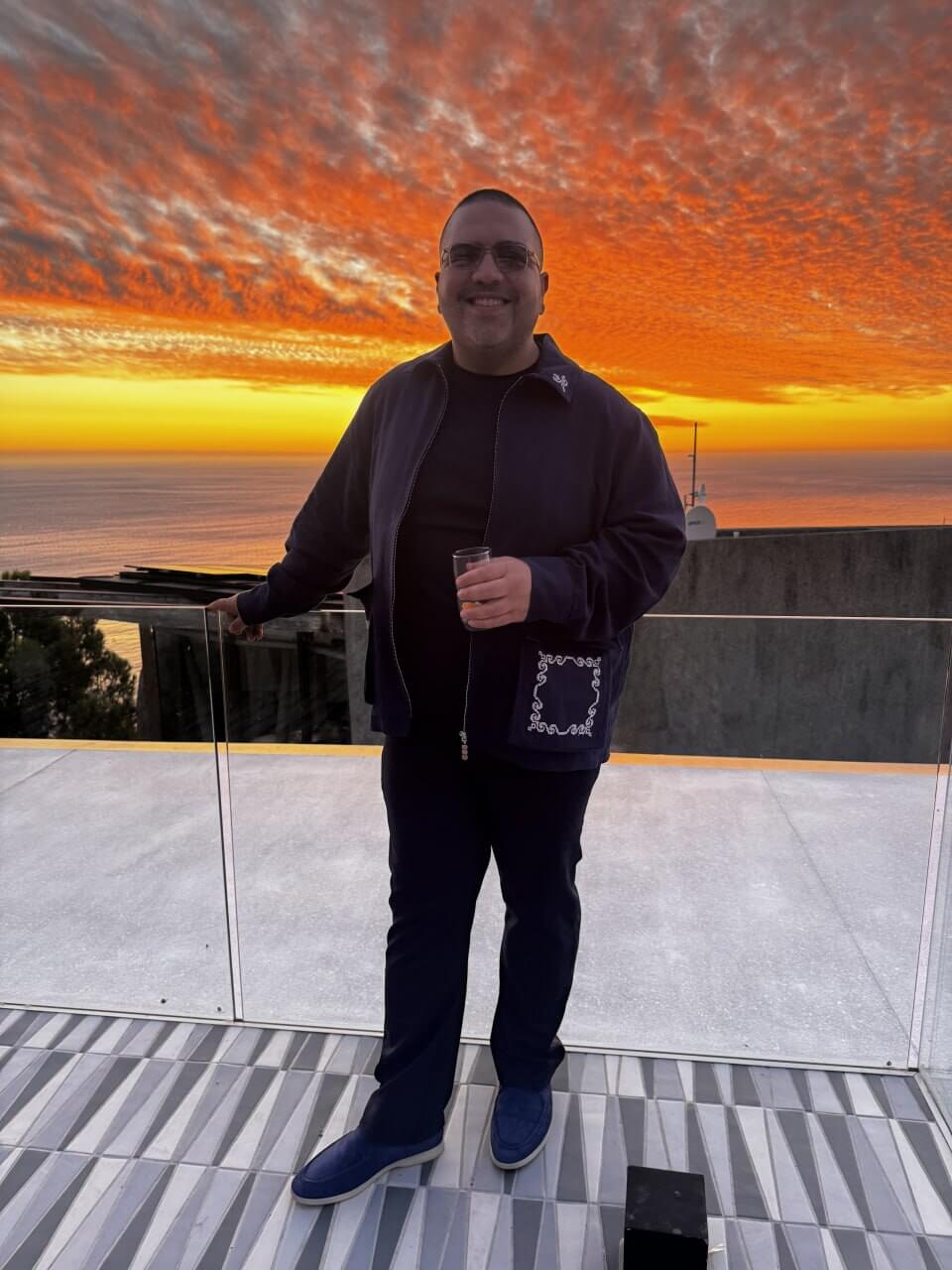
Please introduce your business and describe your role as CEO within it.
I run a historic family-owned bakery business based in Tel Aviv–Jaffa that has been operating since 1879. My role as CEO is to manage both the daily operations and the long-term direction. I focus on execution. That includes product consistency, team performance, supplier relationships, and identifying where we can improve or grow without adding unnecessary complexity.
What is your company’s core operating model? Do you rely on in-house teams, external partners, or a mix?
Most of our operations are in-house. That is important for quality control and consistency. In hospitality, small details matter. We only use external partners when it improves efficiency or solves a clear problem. The model is simple: keep core production and customer experience internal, and outsource only where it adds value without reducing control.
How does your business differentiate itself in a crowded market?
We focus on consistency and reliability. Many businesses try to stand out through variety or trends. We focus on delivering the same level of quality every day. Customers come back when they trust the product and the experience. That consistency is what differentiates us.
What sectors or customer groups do you primarily serve today, and how has that evolved?
We serve local customers. People who come regularly and build a relationship with the business. Over time, I shifted away from trying to serve everyone. Focusing on repeat customers made the business more stable and predictable.
What are the most common needs your customers come to you with?
The main need is reliability. Customers want a product they can trust. That includes quality, availability, and experience. From an operational side, that means tight processes, good inventory management, and clear standards.
How do you stay ahead when industry information changes quickly?
I don’t try to chase information. I focus on fundamentals. Strong operations, disciplined execution, and the ability to adapt. I review what is working and what is not on a regular basis. That matters more than trying to react to every new trend.
Do you have a strong base of repeat customers? What drives that loyalty?
Yes. A large part of the business comes from repeat customers. Loyalty comes from consistency. If people know what they will get every time, they come back. It is built through daily execution, not marketing.
How do you measure and maintain customer satisfaction?
We measure it indirectly through repeat visits and customer behavior. In our type of business, if customers are not satisfied, they simply do not return. Internally, we maintain standards through routine checks, team accountability, and attention to detail.
What kind of ongoing support or engagement do you provide after a sale?
In our business, every interaction is part of an ongoing relationship. There is no clear end point. We focus on maintaining quality and consistency so that each visit meets expectations. That is how we support customers over time.
How do you approach pricing and billing in your business?
Pricing is based on balancing cost, quality, and sustainability. We do not overcomplicate it. The goal is to set a price that reflects the value of the product while keeping the business financially stable.
What price range do you typically operate in, and how do you balance affordability with value?
Pricing varies by product, and I do not publicly disclose specific ranges. The key is fair value. Customers should feel the quality justifies the price. At the same time, the business needs to cover costs and remain sustainable.
Have you turned down opportunities based on scope or fit? What are your minimum requirements?
Yes. If something adds complexity without clear long-term value, I decline it. The minimum requirement is alignment with our core operations and standards. If it disrupts consistency or focus, it is not worth pursuing.
What key challenges has your business faced in recent years, and how did you respond?
The biggest challenges were COVID-19 and the instability that followed. Demand became unpredictable. Costs increased. Margins were under pressure. I responded by making the business leaner, improving supplier relationships, and focusing more on consistency and brand strength.
How do you approach innovation while maintaining operational discipline?
Innovation needs to be practical. It should solve a real problem or improve efficiency. I avoid large changes that add risk without clear benefit. Small, consistent improvements are more effective over time.
What role does culture play in your organization, and how do you maintain it?
Culture is reflected in daily behavior. It shows in how people work, communicate, and handle pressure. I focus on discipline, calmness, and respect. I try to model that consistently so the team follows the same standard.
Where do you see your business in the next 5–10 years?
I want it to be stable, efficient, and respected. Growth is important, but it has to be controlled. The goal is a business that can operate consistently regardless of external conditions.
How has your leadership style evolved over time?
It has become simpler. Earlier, I focused more on planning. Now I focus more on execution. Staying consistent, making adjustments when needed, and keeping things clear.
What trends or shifts are you paying attention to right now?
I pay attention to changes in customer behavior and operational efficiency. Technology is relevant if it improves those areas. I do not adopt trends just because they are new.
What advice would you give to aspiring CEOs, and what is one lesson that changed your perspective?
Focus on what you can control. Build discipline. Keep things simple. The main lesson is that motivation is not reliable. Discipline is.
More REVERB Interviews
- Aneesh Sharma — Director of Game Management & Analytics for Dartmouth football
- Adam Weitsman — Founder and CEO
- Sophia Rosing — Operator / Experimenter
- Captain Robert McRath — Regional Partner
- Prewett Asher — Public Affairs Manager
- Ty Ross — Staff Attorney
- Darryl Kauffman — Accountant, Consultant & Business Coach
- Stephanie Woods — President and CEO