
Irwin Brar
CEO and COO
Apex Construction and Ridge Apartments
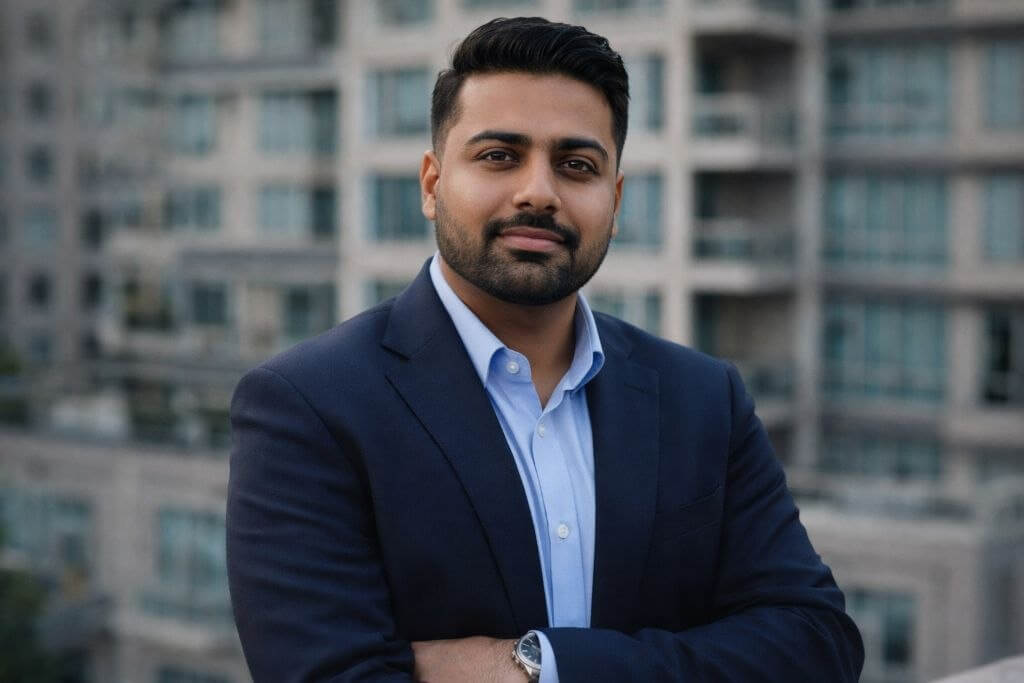
Can you introduce your businesses and describe your role across Apex Construction and Ridge Apartments?
I operate across two primary platforms. I am the CEO of Apex Construction and the COO of Ridge Apartments. Apex focuses on building and delivering housing, while Ridge focuses on operating and managing those assets long term. My role is hands-on. I am involved in site selection, project execution, cost control, and operational oversight. I spend time in the field, not just in meetings. I also oversee our hotel and retail operations, but construction and multifamily are the core.
What is your operating model across construction, real estate, and hospitality?
We run a vertically integrated model where possible. Construction is handled in-house through Apex. That gives us control over cost, timelines, and quality. On the operations side, Ridge Apartments manages leasing, maintenance, and tenant experience. For hotels, we operate under established brands like Hilton and IHG, which means we follow brand standards but manage day-to-day execution internally. We use third-party vendors selectively for specialized trades or compliance, but the core operations stay in-house.
How do you differentiate your approach in a competitive real estate and construction market?
We focus on execution, not just planning. A lot of groups are strong on vision but weak on delivery. We build consistently at scale. Right now, we deliver over 400 affordable housing units annually. That requires tight systems around procurement, scheduling, and labor management. We also stay close to the asset after completion. Many developers exit early. We operate what we build, so we think long term from day one.
Which sectors do you focus on, and how has that evolved?
Our main focus is multifamily housing, especially affordable and workforce housing. That has been consistent. Over time, we expanded into hospitality with branded hotels and into specialty retail. The expansion came from understanding where demand is stable and where we can apply operational discipline. Housing remains the foundation.
What are the most common problems you solve for your tenants and partners?
On the construction side, it is cost control and delivery timelines. On the operations side, it is reliable housing with consistent management. Tenants want clean, well-maintained units and predictable service. Investors and partners want projects that stay on budget and perform over time. We focus on reducing variability. That is where most problems come from.
How do you stay ahead in an industry where conditions change quickly?
I do not rely heavily on reports. I stay close to the ground. I spend time on job sites, with contractors, and with tenants. That gives real-time feedback. I also watch input costs closely, especially materials and labor. If those move, everything moves. We adjust quickly at the project level rather than waiting for macro data.
Do you see repeat tenants or partners, and what drives that?
Yes. On the housing side, retention comes from consistency. If maintenance is handled quickly and communication is clear, tenants stay. On the business side, partners come back when projects are delivered as expected. There is no complicated strategy. It is execution and reliability.
How do you measure operational performance and satisfaction?
We track a few key metrics. Build timelines versus schedule. Cost per unit versus budget. Vacancy rates across properties. Maintenance response times. Those tell us where we stand. If vacancy rises or response times slow, we address it immediately. We do not rely on abstract metrics.
What kind of support do you provide after a project is completed?
We stay involved. Through Ridge Apartments, we manage the asset long term. That includes leasing, maintenance, and tenant communication. For hotels, we maintain operational oversight under brand standards. We do not treat completion as the end. It is the start of the operating phase.
How do you structure pricing across your projects and businesses?
In construction, pricing is typically project-based with defined scopes. We break it into phases and manage costs tightly within each phase. In operations, revenue comes from rents and hospitality performance. We focus on predictable cash flow rather than one-time gains.
What does a typical project look like in terms of scale and cost?
We build at scale, but exact project costs vary by location and scope. I do not share specific numbers publicly. What I can say is that we focus on delivering affordable housing efficiently, so cost per unit is a key constraint we manage closely.
Do you turn down projects? What are your minimum requirements?
Yes. If the numbers do not work, we pass. That usually comes down to land cost, regulatory constraints, or unrealistic timelines. We look for projects where we can control execution and deliver at scale. If those conditions are not there, it is not a fit.
What challenges have you faced recently, and how did you handle them?
The biggest challenges have been rising material costs and labor constraints. We addressed that by tightening procurement, locking in pricing earlier, and improving scheduling. We also standardized parts of our build process to reduce variability.
How do you approach innovation in a practical way?
Innovation for us is operational. It is about building faster, reducing waste, and improving durability. We are not focused on trends for the sake of it. If a method or system improves efficiency or quality, we adopt it. If not, we ignore it.
What role does culture play in your organization?
Culture is built around accountability and work ethic. Most of our team comes from hands-on backgrounds. We expect people to understand the work, not just manage it. Clear expectations and consistent standards matter more than anything else.
Where do you see your businesses in the next 5 to 10 years?
We will continue scaling housing. The goal is to increase unit delivery while maintaining quality and cost control. We will also expand our operating portfolio so we manage more of what we build. Growth will stay disciplined.
How has your leadership style developed over time?
It started very hands-on because that was necessary. Over time, I have built systems and teams that can operate independently, but I still stay close to execution. I rely less on instinct now and more on process and data.
What trends or shifts are you paying attention to right now?
Housing demand is the main one. There is a clear need for affordable units. On the construction side, efficiency and cost control are becoming more important. Anything that improves build speed without reducing quality is relevant.
What advice would you give to operators building in this space?
Focus on execution. Plans are easy to make. Delivery is what matters. Understand your costs, control your process, and stay close to the work. One lesson that stands out is that small inefficiencies compound quickly at scale. If you fix them early, everything else improve
More REVERB Interviews
- Addison Thornton — Program Specialist, Employer Brand & Engagement
- Sanford L. Heffner — Principal
- Travis Gartner — Managing Director
- Harpinder Brar — Owner and Operator
- Sam Kazran — Executive Manager
- Benjamin Nasberg — CEO
- Travis Braulick — Financial Advisor and Vice President
- Victor Ray Natera — Regional Director of Operations