
Travis Braulick
Financial Advisor and Vice President
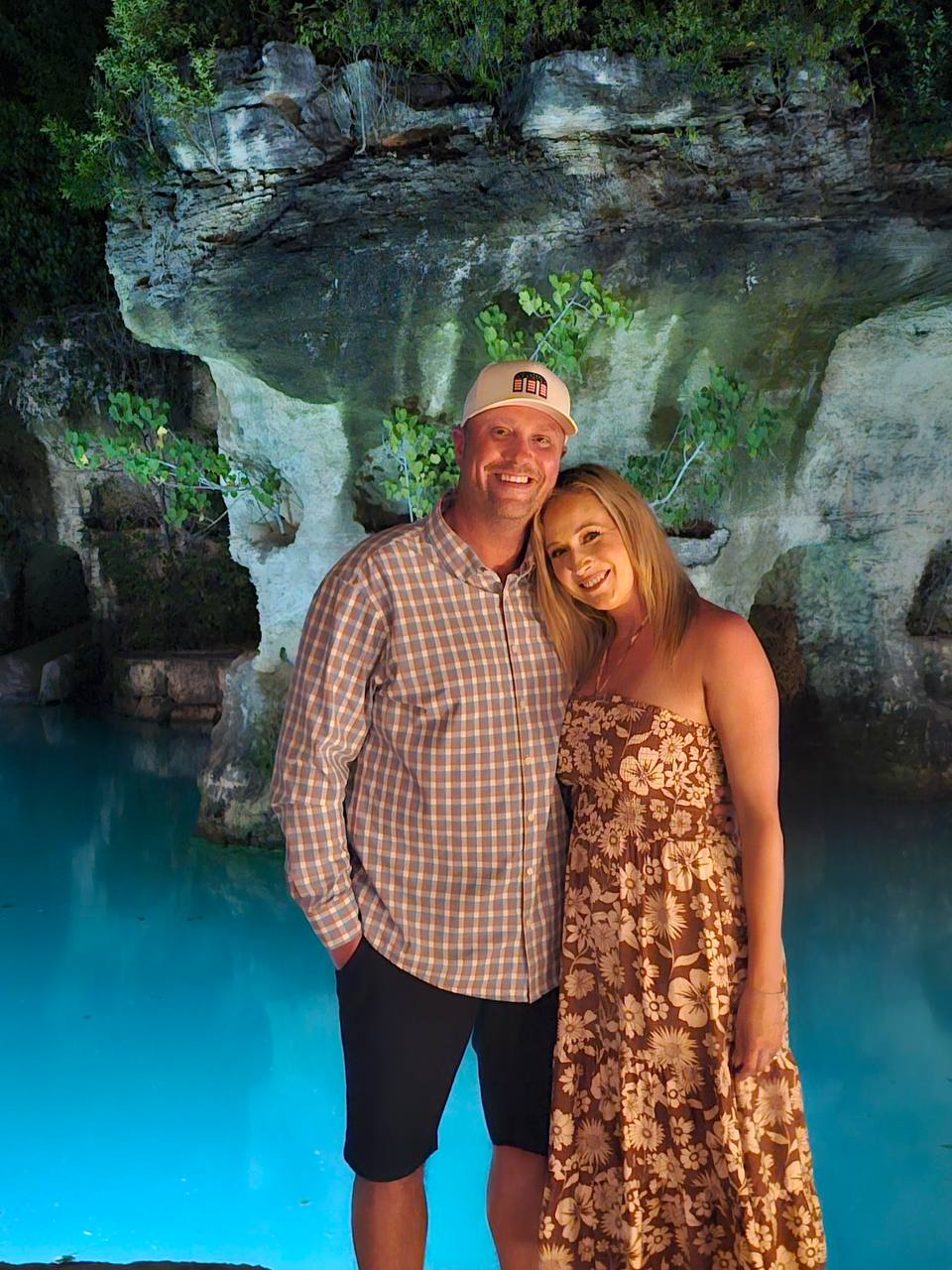
Please introduce your practice and describe the role you play in shaping its direction and client experience.
I am a financial advisor and Vice President of Investment and Insurance Services based in New Ulm, Minnesota. I work directly with individuals and families on long-term financial planning, retirement strategies, and protection planning. My role is hands-on. I am responsible for client relationships, planning, and ongoing service. I shape the direction of my practice by staying focused on consistency, accessibility, and trust. I am the point of contact, and I make sure clients know I am available when they need me.
How do you think about building systems to deliver consistent client service?
I keep things simple and repeatable. I focus on consistent communication, structured planning, and follow-up. I set weekly, monthly, and yearly goals for myself so I stay accountable. For clients, that translates into regular reviews, clear next steps, and being responsive. I do not rely on complicated systems. I rely on discipline. Answer the phone. Follow through. Keep things organized. That is what creates consistency over time.
From your perspective, how do you stand out in a competitive financial services market?
I focus on being reliable. A lot of people in this industry focus on being the most knowledgeable or having the best pitch. I focus on being available and consistent. Clients know they can call me and I will answer. That matters more than anything. Over time, that builds trust. That is what separates me.
Which clients do you feel most responsible for serving today?
I primarily serve individuals and families who want guidance and someone they can rely on. Many of them are looking for long-term planning, not quick answers. My focus has stayed consistent over time. I work with people who value relationships and want ongoing support, not one-time transactions.
What problems do clients most often come to you with, and how do you decide what to take on?
Most clients come to me with uncertainty. Retirement planning, protecting their income, making sure they are making the right decisions. I focus on situations where I can provide clear value and long-term support. If it is not something I can help with directly, I will be upfront about that. I do not try to force a fit.
How do you stay current in an industry that is constantly changing?
I make time to learn. I attend wealth conferences and stay engaged with new ideas that I can bring back to clients. I also learn from real situations. Every client interaction teaches you something. I focus on staying consistent with learning, not chasing every trend.
What does long-term trust with clients look like in your practice?
It comes down to reliability over time. Being there when things are going well and when they are not. Answering questions. Following through. Keeping communication clear. Trust is not built in one meeting. It is built over years of doing what you say you will do.
How do you define success for your clients?
Success is different for each client. For some, it is reaching retirement with confidence. For others, it is protecting their family or building something long-term. My role is to understand what matters to them and help them stay on track. I focus on consistency in execution rather than short-term results.
What responsibility do you take on after a plan is in place?
The work does not stop after a plan is created. I stay involved. I make myself available for questions, changes, and ongoing reviews. Clients’ situations change over time, so the plan needs to adjust. I see it as an ongoing relationship, not a one-time process.
How do you think about pricing and value alignment?
I focus on being fair and transparent. Clients need to understand what they are getting and how it helps them. I do not overcomplicate it. If there is no clear value, it is not a good fit. Long-term relationships only work when both sides see the benefit.
How do you balance being accessible with maintaining high standards in your work?
Accessibility is part of the standard. Being available is not separate from doing good work. It is part of it. I manage my time so I can respond to clients and still stay prepared. That comes down to discipline and organization.
Have you ever said no to an opportunity that looked good on paper? What guided that decision?
Yes. If something does not align with how I work or the type of relationship I want to build, I will pass. Not every opportunity is the right fit. I focus on long-term relationships, not short-term wins.
What challenges have shaped how you approach your work?
Starting out was the biggest challenge. The early years are difficult. You deal with rejection, uncertainty, and pressure. That experience taught me to stay consistent and believe in the process. It also taught me that results take time.
How do you create room to improve while staying focused on your core work?
I focus on steady improvement. I do not try to change everything at once. I look for ways to get a little better over time. Learning, adjusting, and staying consistent with the basics.
What role does personal discipline play in your performance?
It plays a major role. Discipline is what keeps you consistent. It is what allows you to show up every day and do the work, even when it is not exciting. That is where results come from.
Looking ahead, what kind of impact do you want your work to have?
I want to be someone clients can rely on long-term. Someone they trust to help guide them through important decisions. Beyond that, I want to continue supporting my community and giving back where I can.
How has your approach to your work changed over time?
Early on, I focused more on proving myself. Over time, I have focused more on relationships and consistency. That shift has made a big difference in how I work and how clients respond.
Are there any changes in the industry that you are paying attention to?
There are always changes, but I focus on what impacts clients directly. New ideas, better ways to serve clients, and staying current with planning strategies. I do not chase everything. I focus on what is useful.
What advice would you give to someone starting out in this field?
Stay consistent. Do not expect quick results. Be willing to learn and put in the work. Build relationships and focus on doing the right thing. Confidence will come over time if you stay committed.
More REVERB Interviews
- Jack McCarroll — Senior Enhanced Specialist
- Brandon Gilkey — Founder and Operator
- John Theodore Zabasky — CEO
- David Torske — Construction Project Coordinator
- Katie Nielsen — sole proprietor
- Darryl Kauffman — Accountant, Consultant & Business Coach
- Alexei Orlov — Founder
- Dragos Teodor — Automotive Sales Manager