
Schuyler Tansey
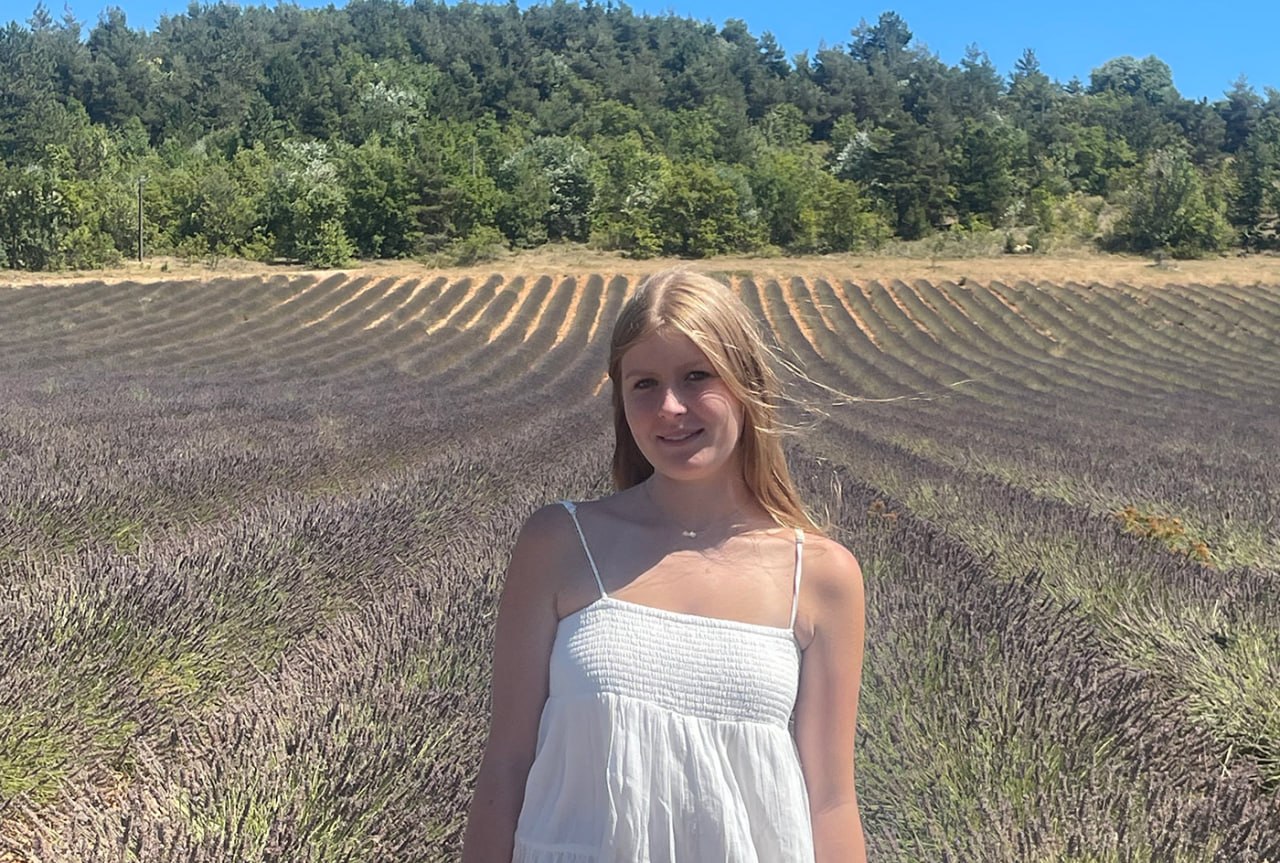
Please introduce yourself and describe your role as an aspiring educator.
I am currently pursuing a degree in Elementary Education at Xavier University in Cincinnati, Ohio. My focus is foundational learning and youth development. My role right now is preparation. I am building the skills, classroom discipline, and instructional frameworks I will need as a full-time teacher. I treat my education like training for a profession, not just coursework.
What is the core “model” behind how you approach teaching and service?
My approach is structured and community-based. I believe early education works best when it connects classroom learning with real-life context. That means clear lesson objectives, measurable learning outcomes, and consistent reinforcement.
Outside the classroom, I have worked in community service settings in West Virginia, New Jersey, and New York. Those experiences shape how I think about students. Learning does not happen in isolation. Environment matters.
How does your approach to education differ from others entering the field?
I focus heavily on early foundations. Elementary education is where reading confidence, number sense, and social skills form. I approach teaching as skill-building, not just content delivery.
I also bring perspective from living in midtown Manhattan and studying abroad in London. Exposure to diverse communities has shaped how I think about inclusion and adaptability. I understand that students come from very different backgrounds. Instruction must reflect that.
What communities or groups are you most focused on serving?
I am focused on elementary-aged students. That includes children from diverse urban communities and underserved areas. My volunteer work has included tutoring students and supporting families in need. I have worked in Mingo County, West Virginia, helping build homes. I have supported outreach initiatives in Camden, New Jersey, and New York City.
These communities taught me that education and stability are connected. Students perform better when basic needs are met.
What are the most important skills you are developing right now?
Classroom management is critical. Clear structure reduces chaos. Lesson planning is also key. Each lesson should have a defined objective and measurable result.
I am also building communication skills. Teachers must communicate clearly with students and families. That includes setting expectations and providing feedback.
How do you stay current with changes in education systems?
My semester at Richmond University in London exposed me to different classroom structures and curriculum models. Seeing another system in action forced me to compare methods. I stay informed through coursework and by observing experienced educators.
I also pay attention to research on early literacy and child development. Data on reading proficiency rates and early intervention outcomes reinforces why foundational skills matter.
How do you measure progress in your training?
Progress is measured by performance feedback from professors and supervisors. It is also measured by student engagement when I tutor. If a student improves reading fluency or shows greater confidence solving problems, that is measurable progress.
In service work, progress is tangible. In West Virginia, progress meant a home frame rising. In tutoring, it means stronger comprehension scores.
What kind of long-term impact are you aiming for?
My goal is to contribute to long-term academic success. Research shows early reading proficiency strongly predicts future graduation rates. I want to operate at that foundational stage.
Success for me means students developing confidence. It means creating classrooms where structure supports creativity.
What challenges have shaped your academic path?
Transferring from Tulane University to Xavier University was a deliberate decision. It required evaluating what environment best supported my professional goals. Change requires clarity. I chose a programme that aligned directly with elementary education.
Balancing coursework with service commitments has also required discipline. Time management is a skill.
How do you approach innovation in education?
Innovation in education is not about novelty. It is about effectiveness. If a method improves literacy outcomes or classroom engagement, it is worth considering.
My international experience helped me see that there is no single correct system. Adaptation matters. Teachers must adjust methods to student needs.
What role does culture and community play in your development?
Culture shapes learning. Growing up in Manhattan exposed me to diversity daily. That perspective influences how I think about classroom inclusivity.
Community service reinforced that education extends beyond school walls. Outreach work through St. James Church, St. Francis Seraph Ministries, and the Romero Center gave me practical insight into how families live and work.
Where do you see your career in the next five to ten years?
In five to ten years, I see myself leading an elementary classroom. I expect to be refining curriculum strategies and contributing to school communities in meaningful ways.
I am not building a company. I am building a vocation. The focus is steady development.
How has your leadership style evolved so far?
Leadership for me is structured and service-oriented. In volunteer settings, leadership meant showing up consistently. In academic settings, it means preparation and accountability.
I believe leadership in education begins with example. Students observe behaviour closely.
What trends in education interest you most?
Early literacy intervention continues to stand out. Evidence shows that early reading proficiency improves long-term outcomes. I am interested in methods that improve comprehension and engagement without overwhelming students.
Global education comparisons also interest me. Studying in London highlighted structural differences worth examining.
What advice would you offer to others pursuing education?
Choose your environment carefully. Align your academic path with your long-term goals. Seek diverse experiences. Volunteer in different communities.
Most importantly, remember that elementary education shapes everything that follows. Foundational work is not small work. It is the beginning of every larger success story.