
Ron Yeffet
Real Estate Developer
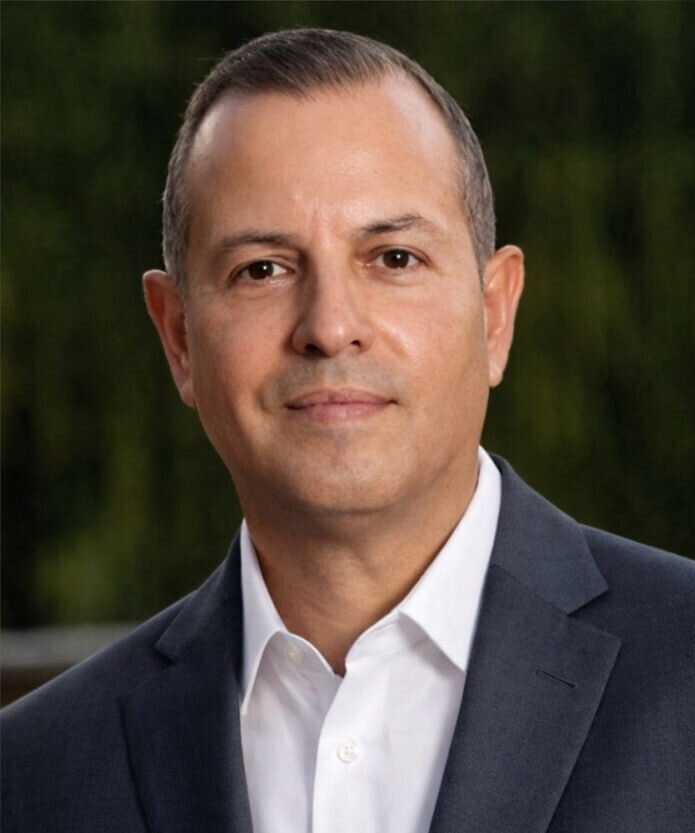
Can you introduce your work and describe your role leading projects globally?
I lead real estate and infrastructure development projects across the U.S., Europe, Africa, and Israel. My role is to oversee planning, execution, and delivery. I operate at a president level, working across multiple projects at once. I focus on structure, timelines, and coordination between teams, partners, and governments.
What is your core operating model when delivering projects?
It is a hybrid model. I work with in-house leadership and trusted external partners. Large projects require specialized teams. I bring in engineers, contractors, and local experts depending on the region. My role is to align them and keep execution consistent.
How do you differentiate your approach in a competitive space?
I focus on execution. Many groups have strong ideas. Few deliver consistently. I invest time in planning before anything starts. I also stay involved through the full lifecycle of a project.
What sectors do you primarily work in today?
Real estate development and infrastructure. That includes concrete superstructures, energy supply, power plants, and roadways. Earlier in my career, I focused more on New York real estate. Over time, I expanded into larger infrastructure projects.
What types of projects or solutions do partners usually come to you for?
They come when projects are complex. That includes cross-border work, large-scale construction, or infrastructure tied to government coordination. They need someone who can manage moving parts.
How do you stay ahead in an industry where conditions change quickly?
I focus less on trends and more on fundamentals. Planning, discipline, and execution do not change. I also stay close to projects on the ground. That gives real-time information.
Do you work with repeat partners? What drives that?
Yes. A large part of my work comes from repeat relationships. Trust drives that. If you deliver results consistently, people return.
How do you measure success across projects?
Delivery on time. Staying within scope. Long-term usability. If a project works well years later, that is success.
What happens after a project is completed?
I stay involved at a high level when needed. Some projects require ongoing coordination. Others transition fully to local teams.
How are projects typically structured financially?
It depends on the project. Some are milestone-based. Others are structured through partnerships or phased investments. There is no single model.
What is the typical scale of your projects?
Projects vary widely. Some are smaller developments. Others involve large infrastructure. Specific numbers depend on the project and region.
Do you turn down projects? What is your minimum fit?
Yes. I turn down projects that lack clear planning or alignment. If the foundation is weak, the project will fail. That is my main filter.
What challenges have you faced in recent years?
Managing complexity across regions. Different regulations, timelines, and expectations. I address that through stronger planning and local partnerships.
How do you approach innovation in your work?
Innovation comes from solving real problems. I do not chase trends. I focus on improving execution and efficiency within projects.
What role does team culture play in your work?
It is critical. Projects depend on coordination. I focus on accountability and communication. Without that, execution breaks down.
Where do you see your work going in the next 5–10 years?
Larger infrastructure projects. More focus on long-term systems that support cities and regions.
How has your leadership style evolved?
Earlier, I was more hands-on with everything. Now I focus on structure and trust. I still stay involved, but I rely more on strong teams.
What market shifts are you paying attention to?
Growth in emerging regions. Infrastructure demand is increasing. That creates opportunities, but also requires careful planning.
What advice would you give to someone building a career in this space?
Focus on execution. Ideas are not enough. Learn how to plan and deliver. One lesson I learned early: most problems come from weak planning, not execution.