
Abraham Pinchuck
sales consultant
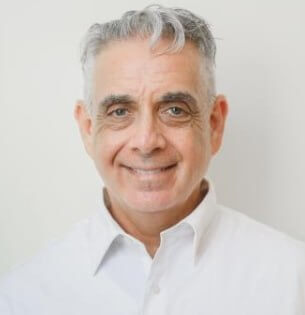
Can you introduce your consulting work and the role you play in shaping its direction?
I’m a self-employed sales consultant focused on the insurance industry, mainly Medicare Advantage (MAPD) and life insurance. I work directly with agents to improve their approach to sales. I don’t run a large organization. I stay hands-on. My role is to set the standard for how the work is done—listening first, asking better questions, and focusing on the person, not the sale. That drives everything.
How do you think about building systems and processes to execute your work effectively?
I keep it simple. I don’t rely on scripts or rigid systems. The core process is consistent: slow the conversation down, understand what matters to the client, and guide from there. I work directly with agents rather than outsourcing. In some cases, I’ll collaborate, but most of the work is one-on-one coaching and feedback. The system is repeatable, but it’s based on behavior, not tools.
How do you ensure your approach stands out in a competitive sales training market?
Most training focuses on closing techniques. I don’t. I focus on listening. That’s the difference. “Selling is a recipe for failure in sales.” When agents stop trying to push and start trying to understand, results improve. It stands out because it’s not what most people are taught.
Who do you primarily serve today, and how has that focus evolved?
I work mainly with insurance agents. Earlier in my career, I worked in real estate and manufacturing. Over time, I moved into consulting, and now I focus on sales performance. The common thread is helping people improve how they work with others.
What problems do your clients come to you with most often?
They struggle with consistency. They’re either not closing enough business or burning out. Many rely on scripts that don’t work. I look at how they communicate. I focus on how they listen, what questions they ask, and how they position themselves. That’s usually where the problem is.
How do you stay effective in an industry that changes quickly?
I don’t chase trends. The fundamentals don’t change. People want to be understood. I read regularly and reflect on what has worked in the past. “Look at my past success.” That keeps me grounded. I adjust where needed, but the core approach stays the same.
What does long-term trust with clients look like in your work?
It shows up in referrals. If someone sends others to you, that means they trust you. I focus on helping people first. If you do that consistently, relationships last. I don’t think in terms of one transaction.
How do you define success for the agents you work with?
Success is steady improvement. I aim for 20% year-over-year growth. It’s not about one big result. It’s about building something consistent. If an agent improves their communication and builds trust, the numbers follow.
What responsibility do you take after working with a client?
I stay available. I don’t disappear after one session. If someone needs help, I’ll respond. The goal is long-term improvement, not a short-term fix. That requires ongoing support, even if it’s informal.
How do you think about pricing and value in your work?
I keep it straightforward. The value is in results. If someone improves performance and builds a better process, the work pays for itself. I don’t overcomplicate pricing. It has to make sense for both sides.
How do you balance accessibility with maintaining high standards?
Not everyone is the right fit. Someone has to be open to changing how they think. If they just want scripts or quick fixes, I’m probably not the right person. Fair value means both sides are committed.
Have you ever turned down opportunities that looked good on paper? Why?
Yes. If the mindset isn’t right, it won’t work. If someone is focused only on selling and not on helping people, I won’t take it on. It doesn’t lead to good results.
What challenges have shaped how you work today?
The biggest one was my own mindset. “Biggest obstacle was not realizing that in order to be successful, I needed to focus on the people I’m helping, not me.” Once I understood that, everything changed. That’s what I teach now.
How do you create room for improvement while staying disciplined?
I focus on small adjustments. You don’t need big changes. You need consistent ones. Ask better questions. Listen more. Stay focused on the process. That creates improvement over time.
What role does mindset and behavior play in performance?
It’s everything. Skills matter, but mindset drives how those skills are used. “Being a great listener and having a genuine desire to help people” is what separates people who succeed from those who don’t.
Looking ahead, what kind of impact do you want your work to have?
I want more people in sales to focus on helping instead of selling. If that shift happens, people perform better and clients get better outcomes. That’s the impact.
How has your approach to your work evolved over time?
It became simpler. Early on, I focused more on results. Now I focus on the process. If the process is right, the results follow. That came from experience across different industries.
What changes in the industry are you paying attention to?
There’s more information than ever, but that doesn’t mean better results. People still struggle because they don’t apply the basics. The shift I pay attention to is how people communicate, not just what tools they use.
What advice would you give to someone trying to improve in sales or leadership?
Focus on the person in front of you. Don’t try to impress them. Try to understand them. That changes everything.