
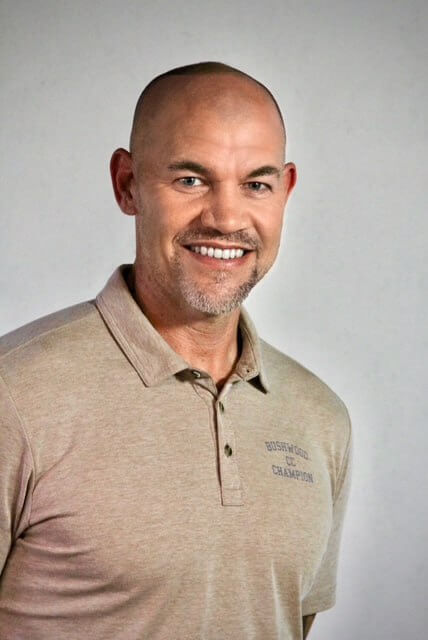
Ty Ross
Staff Attorney
Please introduce your work in public service and law, and describe the role you play in shaping outcomes and long-term impact.
I have spent my career working in local government and law, with a focus on public service. I have served as a city manager, city administrator, and now as a staff attorney with Georgia Legal Services. In each role, my responsibility has been to make decisions that affect people’s daily lives. That includes managing budgets, overseeing operations, and now helping individuals with housing and civil legal issues. My role has always been to bring structure to complex problems and focus on outcomes that hold up over time.
How do you think about building teams and systems to execute that work effectively?
I focus on clarity and accountability. In city management, that meant building teams where each department understood its role and performance expectations. I prefer to keep core functions in-house when they directly affect service delivery, such as public safety or utilities. For specialized work, I have used outside partners, but only when the value is clear. The goal is to build systems that are consistent and repeatable, not dependent on one person.
From a leadership perspective, how do you ensure your work stands out in a complex public environment?
I focus on execution. Many ideas sound good, but what matters is whether they are carried out properly. I pay attention to details, timelines, and cost. In one case, we repurposed existing buildings rather than constructing new ones, saving about $1.5 million. That kind of decision stands out because it produces a clear result.
Which communities do you feel most responsible for serving today, and how has that evolved?
Right now, my work is focused on individuals and families who need legal support, especially in housing and civil matters. Earlier in my career, I was responsible for entire cities. The scope has changed, but the purpose is the same. I am still focused on serving people in a way that improves stability and long-term outcomes.
What problems do people most often come to you with, and how do you decide what to take on?
In my current role, most issues relate to housing disputes, protection orders, and financial pressures. I focus on cases where the outcome directly impacts stability, such as keeping someone in their home. In city management, the problems were broader, like infrastructure, budgets, and development. In both cases, I look at whether I can make a meaningful impact before taking something on.
How do you stay ahead of changes in government and law?
I stay engaged with industry publications and conferences. I also rely on experience. Many issues repeat over time, even if the details change. Staying informed helps, but so does having a decision-making framework that works across different situations.
What does long-term trust look like in your work, and how do you build it?
Trust comes from consistency. People want to know that decisions are fair and that you will follow through. In local government, that meant managing resources responsibly and being transparent. In legal work, it means being clear with clients and doing what you say you will do. Trust builds over time through repeated actions.
How do you define success, and how do you deliver it consistently?
I define success by long-term impact. In city management, that meant projects that improved the community over time, not just in the moment. In legal work, it means outcomes that provide stability for individuals. Consistency comes from process. You need clear steps, clear expectations, and follow-through.
What responsibility do you have after a project or case is complete?
There is always some level of responsibility after the work is done. In government, that meant monitoring results and making adjustments as needed. In legal work, it can mean making sure clients understand the next steps. The goal is to ensure that the outcome holds up over time.
How do you approach value and resource alignment in your work?
In government, every decision involved taxpayer dollars, so the focus was on efficiency and long-term value. In my current role, the focus is on impact. The question is whether the work is worth the resources being used. That applies in both settings.
How do you balance accessibility with maintaining high standards?
You have to be clear about what you can and cannot do. In public service, you cannot meet every request, but you can maintain fairness and consistency. High standards come from process and discipline, not from limiting access.
Have you ever said no to an opportunity that looked attractive on paper?
Yes. Not every opportunity aligns with your values or your responsibilities. In local government, that could mean turning down a development that did not fit the community. The principle is to focus on long-term benefit, not short-term gain.
What have been the most meaningful challenges in your leadership roles?
Managing through the Great Recession was one of the biggest challenges. We reduced taxes by about 15 percent while maintaining services. That required discipline and difficult decisions. It reinforced the importance of prioritization and long-term thinking.
How do you create space for innovation while maintaining discipline?
Innovation comes from questioning how things are done. Discipline comes from evaluating whether a change makes sense. You can try new approaches, but they need to be tested against cost, impact, and long-term value.
What role does culture play in performance, and how do you reinforce it?
Culture sets expectations. If people understand that the focus is on service, accountability, and results, performance improves. I reinforce that by being consistent in decisions and expectations. Leadership behavior sets the tone.
Looking ahead, what kind of impact do you want your work to have?
I want the work to create stability and long-term benefit. Whether that is through city operations or legal support, the goal is to leave things better than they were.
How has your leadership philosophy evolved over time?
It has become more focused on service and long-term impact. Early in my career, I focused more on results. Now I focus on outcomes that last and the people affected by them.
Which changes in your field interest you the most right now?
The increasing complexity of housing and civil legal issues stands out. These challenges affect the stability of many people. Understanding and addressing them is important.
What advice would you give to emerging leaders?
Focus on service and stay disciplined in your decision-making. One lesson that changed my perspective is that success is not about short-term results. It is about long-term impact.
More REVERB Interviews
- Hagan Williams
- Rabbi Steve Karro — Rabbi, Sofer, Artist, and Teacher
- Manie Theunis Du Bruyn — Director
- Victor Daniel Silva — Commercial Fishing Operator
- Bradley Hisle — Founder and Executive Leader
- Frank Elsner — Chief of Safety and Security
- John Charrier — Founder and Operator
- Brian Casella — Creative and Technical Director