
Hayden Fowlkes
Vice President
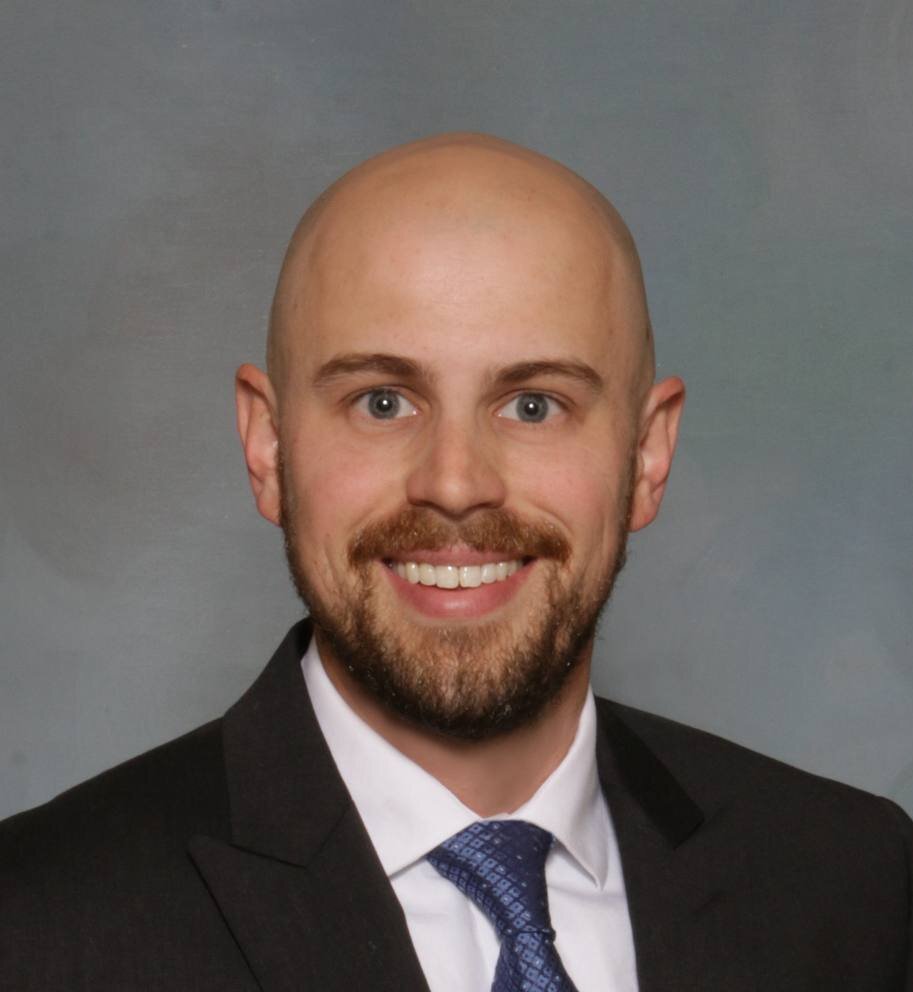
Please introduce your organization and describe the role you play in shaping its vision, culture, and long-term direction.
I work as a Vice President in a civil engineering firm focused on residential land development. My role is to help guide projects from early concept through execution. I also support team development and decision-making. I’m involved in setting standards for how we approach design, timelines, and coordination. The long-term direction is driven by building projects that function well over time, not just getting them approved and built.
How do you build teams and systems to execute projects effectively?
I focus on clarity and accountability. Each project has defined roles, timelines, and checkpoints. Early in my career, I learned the importance of attention to detail. Now I apply that by ensuring the team has the right information early on. We keep most work in-house because coordination is critical. We do partner externally when needed, but only when it improves the outcome.
From a leadership perspective, how do you ensure your work stands out in a competitive market?
We focus on consistency. Many projects fail because of overlooked details early on. We try to solve problems before they arise during construction. That comes from experience and process. It’s not about doing something flashy. It’s about delivering work that holds up.
Which communities or stakeholders do you feel most responsible for serving today?
Our work impacts homeowners, developers, and municipalities. Over time, I’ve become more focused on the long-term user. The people who live in these communities. Early decisions affect drainage, traffic, and infrastructure performance. That responsibility has become clearer as I’ve moved into leadership.
What problems do clients most often bring to you?
Most clients need help understanding how to turn a piece of land into a workable site. That includes layout, drainage, utilities, and permitting. We decide to take on projects where we can control the process and add value early. If the constraints are too limiting or the timeline is unrealistic, we may pass.
How do you stay ahead of changes in the industry?
Experience helps, but so does paying attention to patterns. Regulations change. Growth patterns shift. I stay close to active projects and local trends. Most of the learning comes from doing the work and seeing what works and what doesn’t.
What does long-term trust with clients look like to you?
It’s repetitive work. Clients come back when they trust your process. That usually means clear communication, realistic timelines, and no surprises. We try to be consistent across projects so clients know what to expect.
How do you define success for your clients?
Success is a project that works as intended. It meets requirements, stays on schedule, and performs over time. We hold the team accountable by tracking milestones and reviewing decisions early. Fixing issues later is more costly.
What responsibility do you have after a project is complete?
We stay involved as needed. Issues can come up after construction. We support clients through those situations. The goal is not just delivery, but long-term performance.
How do you think about pricing and value?
Pricing is tied to scope and complexity. We focus on doing the work right the first time. That usually saves cost over the life of the project. We don’t try to be the lowest cost option. We try to be reliable.
How do you balance accessibility with maintaining high standards?
We set clear expectations early. Not every project is the right fit. Fair value means the work can be done properly without cutting corners. That benefits both the client and the team.
Have you ever said no to an opportunity?
Yes. If the timeline is unrealistic or the scope is unclear, we step back. It’s better to pass than to deliver a poor result. That decision is based on protecting the quality of work.
What challenges have shaped your leadership most?
The shift from technical work to managing people was the biggest change. Early on, I focused on doing the work myself. Now it’s about guiding others. That required learning how to communicate clearly and trust the team.
How do you create space for innovation while staying disciplined?
We improve processes over time. Small adjustments matter. We don’t change things just to change them. Innovation comes from solving real problems we see in projects.
What role does culture play in performance?
Culture drives consistency. If the team understands expectations, performance improves. I try to model reliability and attention to detail. That sets the tone.
Looking ahead 5–10 years, what impact do you want your work to have?
I want the projects we work on to hold up over time. Growth is important, but long-term function matters more. That applies to both the work and the team.
How has your leadership philosophy evolved?
It has become more focused on process and people. Early in my career, it was about technical skill. Now it’s about building systems and helping others perform.
What changes in the industry interest you most?
Growth in residential development is a key factor. More demand means more pressure on infrastructure. How we plan and design early will matter more over time.
What advice would you give to emerging leaders?
Focus on learning the basics first. Don’t rush the process. Every role builds on the last one. That approach changed how I view leadership.
More REVERB Interviews
- Joseph Leggs — The Craftsman Behind Precision Performance
- Brian Hagerty — District Manager
- Jessie Johnson — Founder
- Richard Bernstein — Michigan Supreme Court Justice
- Lauren Kunz Chateauneuf — Entrepreneur
- Aneesh Sharma — Director of Game Management & Analytics for Dartmouth football
- Eric Ayrault — Teacher
- George Carralejo — Baseball Coach