
Katie Nielsen
sole proprietor
Katie Nielsen Law, P.L.L.C
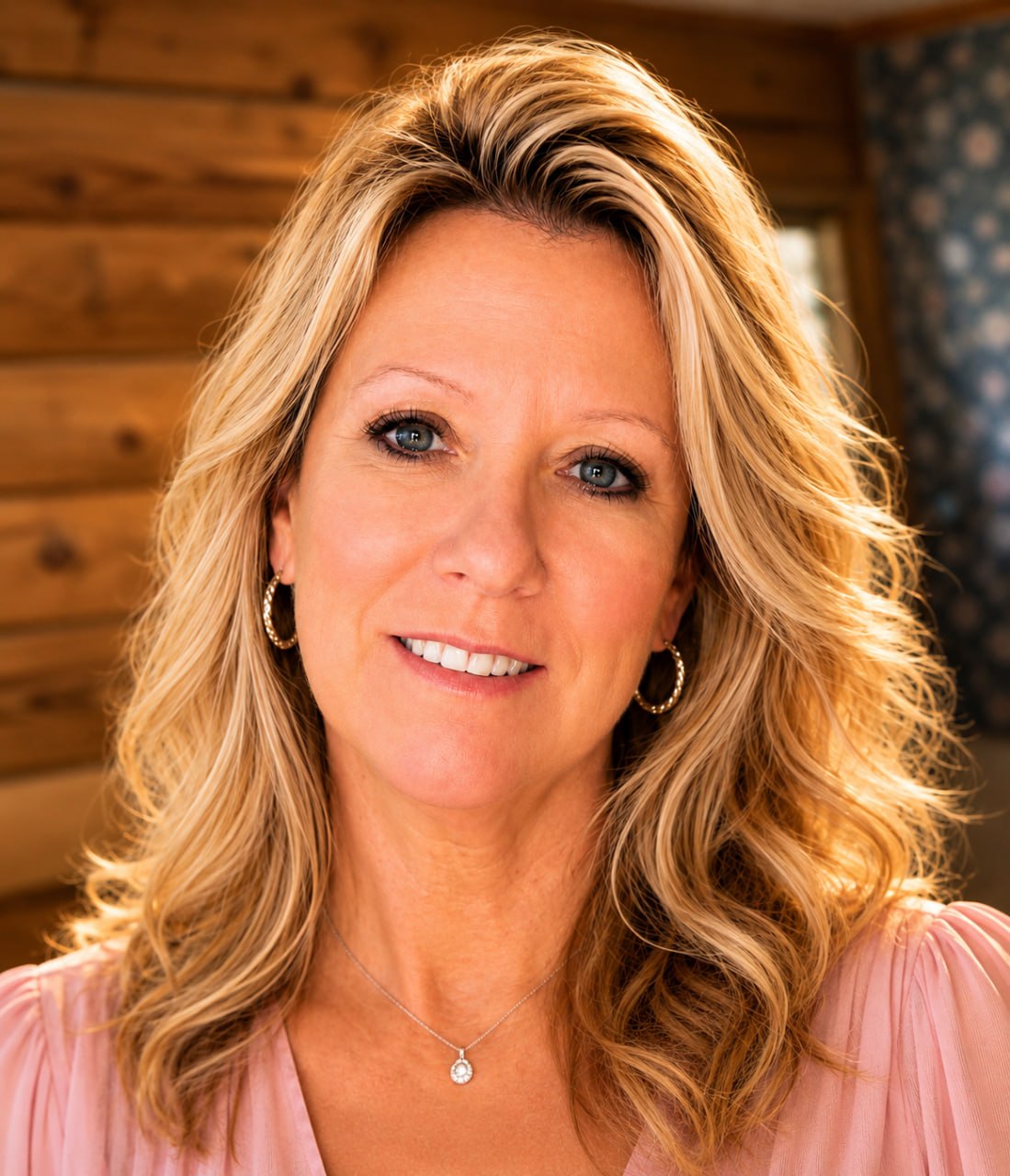
Can you introduce your law practice and describe your role within it?
I am the sole proprietor of Katie Nielsen Law, P.L.L.C. in Carthage, Panola County, Texas. I run the practice myself. I handle criminal law, general civil litigation, family law, probate, and trust and estate planning. I manage client intake, legal research, drafting, court appearances, and strategy. There is no delegation of core legal work. My name is on every filing. That structure keeps accountability clear.
What is your operating model as a solo practitioner?
My model is fully in-house. I do not outsource legal analysis. I may use standard service providers for filings or administrative tasks when required by court procedure, but all legal strategy stays with me. I keep my caseload controlled. I do not overextend however, when necessary, I engage the services of a Private Investigator as it is impossible to maintain a practice and track down witnesses when they don’t otherwise make themselves available. Each case receives direct and total attention. This personal touch is what makes clients happy and garners more word of mouth recommendation than standard advertising provides. This approach to client care is intentional.
How do you differentiate yourself in a competitive legal market?
I built my foundation on evidence and trial training. At Baylor Law School, I earned the Abner V. McCall Evidence Award. Evidence, along with a fair amount of skill, largely controls outcomes. I also prosecuted in four Texas counties. That experience informs how I evaluate cases. I understand how prosecutors assess strength and risk. I structure preparation accordingly. My difference is discipline and dual perspective.
What areas of law do you primarily serve, and how has that evolved?
My work spans criminal law, civil disputes, family matters, probate, and estate planning. I began with a strong criminal law focus. Over time, I discovered that many clients in smaller counties often need broader representation. After all, someone’s 84 year-old Aunt Agnes is unlikely to hold up any of our local banks or convenience stores, but she may very well appreciate having her estate planning carefully done. I adapted to serve the full range of issues that arise in a local practice. The common thread is litigation strategy and structured preparation.
What services are most in demand?
Criminal defense remains urgent and time-sensitive. Family law cases are also common and the most emotionally charged of any other type of cases. Probate work is steady and procedural. Clients often approach me when stakes are personal and immediate. My role is to bring structure to high-stress situations.
How do you stay ahead in a field where law evolves constantly?
I read daily. I study case law. I review appellate decisions. I track rule changes. Legal research is not a chore for me. It is part of my routine. I enjoy reading historical biographies as well. History teaches context. Law changes, but principles repeat. Staying current requires habit, not reaction.
Do you see repeat clients, and what drives that loyalty?
Yes! That’s how I’ve built an extended family actually. In smaller counties, reputation matters. Repeat clients come from consistent communication and preparation. I set expectations early. I explain process. I respond promptly. Loyalty comes from predictability. People return when they know what to expect, or at least who they can count on for an honest evaluation of their issues.
How do you measure client satisfaction?
I measure it through outcomes and clarity. Not every case results in a perfect outcome. That is reality. Satisfaction often comes from feeling heard and prepared. I ensure clients understand the timeline, risks, and possible results. Fewer surprises mean stronger trust.
What kind of ongoing support do you provide after a case concludes?
In probate and estate matters, there is often follow-up documentation. In criminal cases, there may be compliance requirements, appeals, preparation for release dates, or information for expunction or non-disclosure. I provide guidance on next steps. I make sure clients understand obligations. I remain available for clarification. The relationship does not abruptly end at judgment or, in probate and estate matters, at the completion of documentation.
How do you structure your pricing?
Pricing depends on case type. Criminal defense may involve flat fees for defined stages. Civil matters may involve hourly billing. Probate often depends on procedural scope. I explain fees clearly before engagement. Transparency reduces friction, and allows the client to prepare for expenditures before engaging my services.
What price ranges have you handled recently?
Fees vary significantly depending on case complexity. Criminal matters can range widely depending on charges and trial requirements. Probate cases vary based on estate size and contested issues. I do not provide broad averages because each case is unique. Scope drives cost.
Have you declined cases based on scope or fit?
Yes. I decline cases that exceed my capacity or fall outside my focus. I maintain limits to protect quality. If a case requires a specialty beyond my current scope, I refer out. Fit matters more than volume.
What challenges have you faced in recent years?
Managing a solo practice requires constant balance. Court schedules shift. Caseload must remain manageable. Administrative work can grow quickly. I overcame this by setting structured intake boundaries. I learned early that overcommitting harms performance. Control of pace is essential.
How do you adapt to legal and procedural changes?
I monitor rule updates and appellate rulings closely. I also draw from my prosecutorial background. The system evolves, but procedural structure remains central. Evidence standards and courtroom preparation do not lose relevance. I adjust tactics, not discipline.
What role does personal discipline play in your success?
It plays a central role. I grew up in a family of nine. I worked in barns to afford riding lessons. I competed in hunter jumper events for over 20 years. That environment taught preparation and focus. In riding, one mistake can cost you the event. In court, details matter the same way.
Where do you see your practice in five to ten years?
I see continued steady operation. I value independence. I may refine focus areas further, but the core will remain structured litigation and client-centered preparation. Growth for me is measured in consistency, not expansion.
How has your leadership style evolved?
Early in my career, I focused on performance. As a prosecutor, I learned decisiveness. As a defense attorney, I learned patience. Today, my style is direct and measured. I rely on preparation over reaction. Leadership in a solo practice means controlling standards.
What changes in the legal field interest you most?
Procedural efficiency improvements interest me. Clearer filing systems and rule clarity benefit everyone. I am less focused on trends and more focused on rule application. Courts operate on structure. That remains constant, even if the structure of one court is completely different from another one just a couple miles down the road.
What advice would you give aspiring legal professionals?
Master evidence. Understand procedure. Do not rush preparation. Awards and titles matter less than discipline. I was fortunate to study under professors who valued rigor, and later to work under some of the most ethical attorneys that, I believe, have ever existed. All of this has helped to shape my career. Law rewards precision, skill and diligence. But along with all that, your reputation in the court as an ethical attorney who can be counted upon when needed will take you far. Enjoy your career, but don’t lose sight of the reason you chose the practice, and always maintain your moral compass.