
George Stanley
Owner and Operator
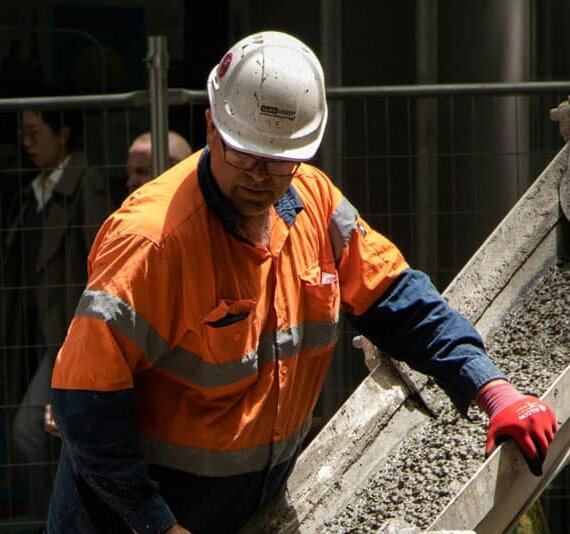
Please introduce your paving business and describe your role as the owner.
I own and operate a paving company based in Tulare, California. My work centers on paving, construction project management, and overseeing projects from planning through completion. I stay involved in the day-to-day operations because I believe the best way to lead is to understand what is happening on the ground. My role includes managing crews, coordinating schedules, communicating with clients, solving problems, and making sure every project meets our standards for quality and safety.
What is your business model, and how do you manage project execution?
Our work is built around a hands-on approach. We rely on experienced crews and direct project oversight. I stay involved throughout the process because construction projects require constant communication and coordination. Every project has different requirements, so flexibility is important. We focus on planning, execution, accountability, and delivering work that lasts.
How do you differentiate yourself in a competitive construction and paving market?
I focus on consistency. A lot of people talk about quality, but quality comes from the details. It comes from preparation, communication, and doing the job correctly the first time. I believe clients value straightforward communication and reliability. My goal is to provide clear expectations and then follow through on them.
What types of projects do you primarily serve, and how has that focus evolved over time?
We have experience with residential, commercial, and larger-scale paving projects. Over time, my understanding of project management has grown beyond simply completing the work. Today, I spend more time focusing on scheduling, coordination, client communication, and making sure every part of a project works together efficiently.
What services do clients most commonly come to you for?
Most clients come to us for paving-related projects. That can include driveways, parking lots, access roads, and other construction-related work. What they are usually looking for is a contractor who can manage the project properly, communicate clearly, and deliver a finished product that meets expectations.
How do you stay current with changes in the construction industry?
The construction industry changes constantly. Equipment evolves, materials improve, and client expectations shift. I stay current by paying attention to what is happening in the field. I learn from projects, from other professionals, and from practical experience. In construction, real-world results matter more than trends.
Do you have repeat clients, and what contributes to that loyalty?
Yes. Repeat business comes from trust. If you complete a project on time, communicate honestly, and stand behind your work, people remember that. Many long-term business relationships are built on reliability rather than salesmanship. Clients want to know they can count on you.
How do you measure customer satisfaction?
The biggest measure is whether the client is satisfied with the final result. Communication throughout the project is important because it helps identify concerns before they become problems. I also pay attention to repeat business, referrals, and long-term relationships because those are strong indicators that clients were happy with the experience.
What kind of support do you provide after a project is completed?
I believe projects do not simply end when the equipment leaves the site. If clients have questions or concerns, I make myself available to address them. Good communication after completion is just as important as communication during construction.
How do you structure pricing and project proposals?
Every project is different, so pricing depends on the scope, materials, labor requirements, and site conditions. Construction is not a one-size-fits-all business. The goal is to provide a realistic assessment of the work required and establish clear expectations before the project begins.
What project sizes do you typically handle, and how do you balance value with quality?
Project sizes vary depending on the client’s needs. Regardless of project size, I focus on quality and durability. I do not believe in sacrificing workmanship to reduce costs. Long-term value comes from doing the work correctly and minimizing future problems.
Have you ever declined projects based on scope or fit?
Yes. Not every project is the right fit. If expectations are unrealistic or if the project requirements do not align with our ability to deliver quality work, it is better to be honest from the beginning. Clear expectations protect everyone involved.
What challenges has your business faced, and how have you responded?
Construction always comes with challenges. Weather, scheduling issues, labor coordination, material availability, and changing project conditions all require constant problem-solving. The key is staying calm, adapting quickly, and focusing on solutions rather than obstacles.
How do you adapt to changes and new developments in the industry?
I focus on continuous improvement. Every project provides lessons that can improve future operations. I am always looking for ways to improve efficiency, communication, and execution while maintaining quality standards.
What role does company culture play in your success?
Culture plays a major role. I believe people perform better when expectations are clear and accountability exists throughout the organization. Respect, communication, reliability, and teamwork are important values on every project.
Where do you see your business in the next five to ten years?
I want to continue strengthening the business, building trusted relationships, and expanding opportunities through quality work. My focus is on sustainable growth, operational improvement, and maintaining the standards that helped build the company in the first place.
How has your leadership style evolved throughout your career?
Experience teaches you that leadership is not about giving orders. It is about setting an example. Earlier in my career, I focused heavily on execution. Today, I spend more time on communication, planning, and helping teams work together effectively. Good leadership creates consistency.
What emerging technologies or changes in construction interest you the most?
I am interested in technologies that improve efficiency, project management, communication, and job-site productivity. Any tool that helps crews work safer, smarter, and more efficiently has value. Technology should support quality execution, not replace it.
What advice would you give to people building careers in construction and business?
Focus on your reputation. Show up when you say you will. Do what you say you are going to do. Pay attention to details. Learn from every project. Success usually comes from consistency rather than shortcuts. One lesson I have learned throughout my career is that your work eventually speaks for itself. Quality, reliability, and accountability never go out of style.