
Dmitriy Misarenko
International Business Consultant
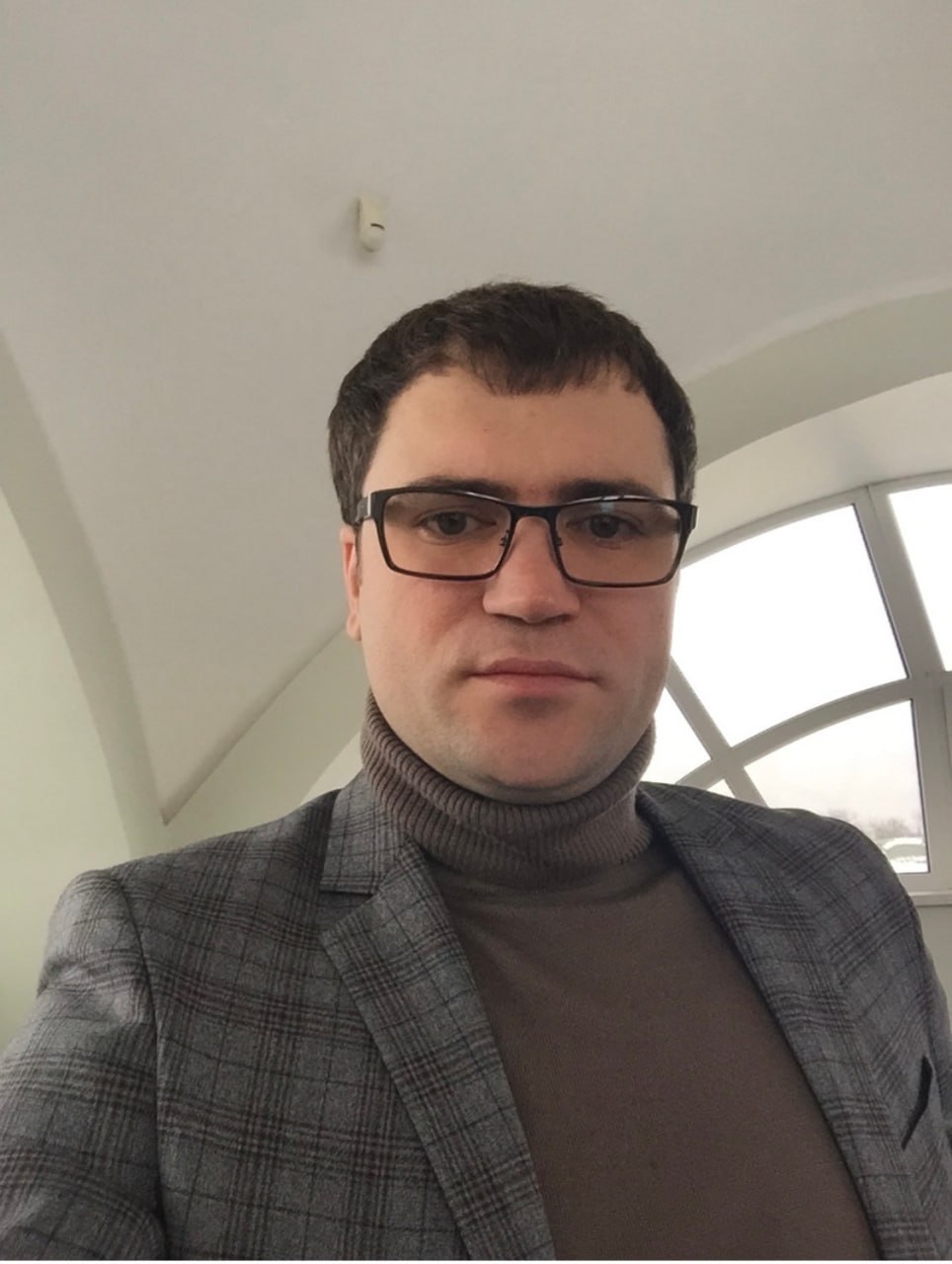
Please introduce your consulting practice and describe your role.
I am an international business consultant with more than 15 years of experience across banking, e-commerce, and cross-border business operations. I began my career in the financial sector with institutions such as Raiffeisen Bank before moving into entrepreneurship and consulting in 2017. Together with my brother, I co-founded two Poland-based consulting firms. Today, my work focuses on business structuring, operational development, marketing research and analysis, international relocation consulting, and helping entrepreneurs navigate complex cross-border challenges.
What is your consulting business model?
My work is primarily advisory. I provide practical consulting directly to clients and collaborate with a network of trusted partners across multiple jurisdictions when specialized expertise is required. It is a flexible model that combines direct involvement with access to professionals in legal, operational, relocation, and business support fields.
How do you differentiate yourself in a crowded consulting market?
Most consultants focus on theory. My approach is practical. I have worked through banking systems, operational challenges, business scaling, and cross-border restructuring myself. Clients are not looking for presentations. They want solutions that work in real conditions. My experience across multiple countries allows me to approach problems from both a strategic and operational perspective.
What industries or sectors do you primarily serve?
Historically, much of my work was connected to e-commerce businesses, online retail operations, and brand development. Over time, my focus expanded into broader business consulting, operational structuring, and international relocation advisory services for entrepreneurs and business owners. The common theme is helping people build sustainable structures that support long-term goals.
What services are clients most often seeking today?
Clients typically seek support with business structuring, operational efficiency, marketing research and analysis, international expansion, and relocation planning. Increasingly, entrepreneurs are looking for guidance on selecting jurisdictions that align with their business and personal objectives while understanding the practical realities of relocation.
How do you stay ahead of industry shifts when information changes so quickly?
I stay connected to markets, regulations, and professionals who are actively operating in different jurisdictions. Learning is not a separate activity for me. It is part of daily work. You either stay informed or you fall behind. I pay close attention to changes in regulations, mobility trends, business environments, and operational developments across multiple countries.
Do you have a significant percentage of repeat clients?
Yes. Much of my work comes from existing relationships and referrals. That happens because clients value consistency and practical results. Many projects evolve over time, so once trust is established, clients often return when new challenges arise.
How do you measure client satisfaction?
I focus on outcomes. If a structure works efficiently, reduces unnecessary complexity, and supports the client’s goals without creating new problems, that is success. Feedback matters, but I pay close attention to whether solutions remain effective over time.
What kind of support do you provide after a project concludes?
Many engagements continue informally after the primary work is completed. Clients often return with follow-up questions, new projects, or changing circumstances. Because many situations involve multiple jurisdictions, ongoing communication is often necessary as regulations and conditions evolve.
How do you structure your fees?
The structure depends entirely on the project. Some engagements are fixed-fee consultations, while others are structured around milestones or longer-term advisory relationships. Every situation is different, so I prefer to evaluate requirements before determining the most appropriate arrangement.
What is the typical project size you handle?
Project scope varies significantly. Some clients need a focused consultation, while others require broader strategic support across multiple areas. Because every engagement is customized, I do not use a standard pricing model or predefined project size.
Have you ever declined projects?
Yes. If expectations are unrealistic or if I believe I cannot provide meaningful value, I prefer not to proceed. Clear objectives, realistic timelines, and mutual understanding are important. I focus on projects where practical results can be achieved.
What challenges have you faced in recent years?
The biggest challenges usually involve changing regulations, evolving international mobility trends, and adapting business structures to new realities. Working across different countries means systems do not always align. The solution is rarely to force a system to work. It is usually about adapting and building around the realities of the environment.
How do you foster innovation and adapt to new trends?
Innovation often comes from observing what is changing and understanding why. I pay attention to developments in international business, relocation trends, operational systems, and emerging technologies. The goal is not to chase every trend but to identify changes that have practical value.
What role does culture play in your work?
Even in consulting, culture matters. I value honesty, consistency, discipline, and professionalism. Those principles shape how I communicate with clients, evaluate opportunities, and manage long-term relationships.
Where do you see your practice in the next five to ten years?
I would like to continue working on larger and more complex international projects while expanding collaboration with established firms and trusted partners. My focus is on creating long-term value through practical consulting rather than building a large organization.
How has your leadership style evolved throughout your career?
Experience has taught me to stay calm and focus on facts. Earlier in my career, I sometimes focused too much on fixing individual problems. Over time, I learned that rebuilding a structure is often more effective than repeatedly patching weaknesses. Today, I focus on clarity, adaptability, and long-term thinking.
What market shifts are you most interested in today?
International mobility is one of the most significant trends. More entrepreneurs are evaluating where they live, where they operate, and how they structure their businesses. Technology is also changing how companies operate globally, making cross-border business more accessible while creating new complexities.
What advice would you give to entrepreneurs and business leaders?
Keep things simple. Focus on structure. Many people spend too much time chasing opportunities and not enough time building systems that can support them. One lesson that has stayed with me is that consistency matters more than intensity. A strong structure can withstand challenges. A weak one eventually creates them.
More REVERB Interviews
- Jonathan Kniss — Business Leader
- Sir Patrick Bijou — Founder and Chairman
- Chris Vrame — Entrepreneur and Real Estate Developer
- Donald Deibler — Business Manager
- Travis Gartner — Managing Director
- Arthur Deibler — Owner and Operator
- Robert Kravitz — President and Managing Partner
- Illia Kolesnichenko — Founder