
Mark Siegwald
Water Damage Consultant
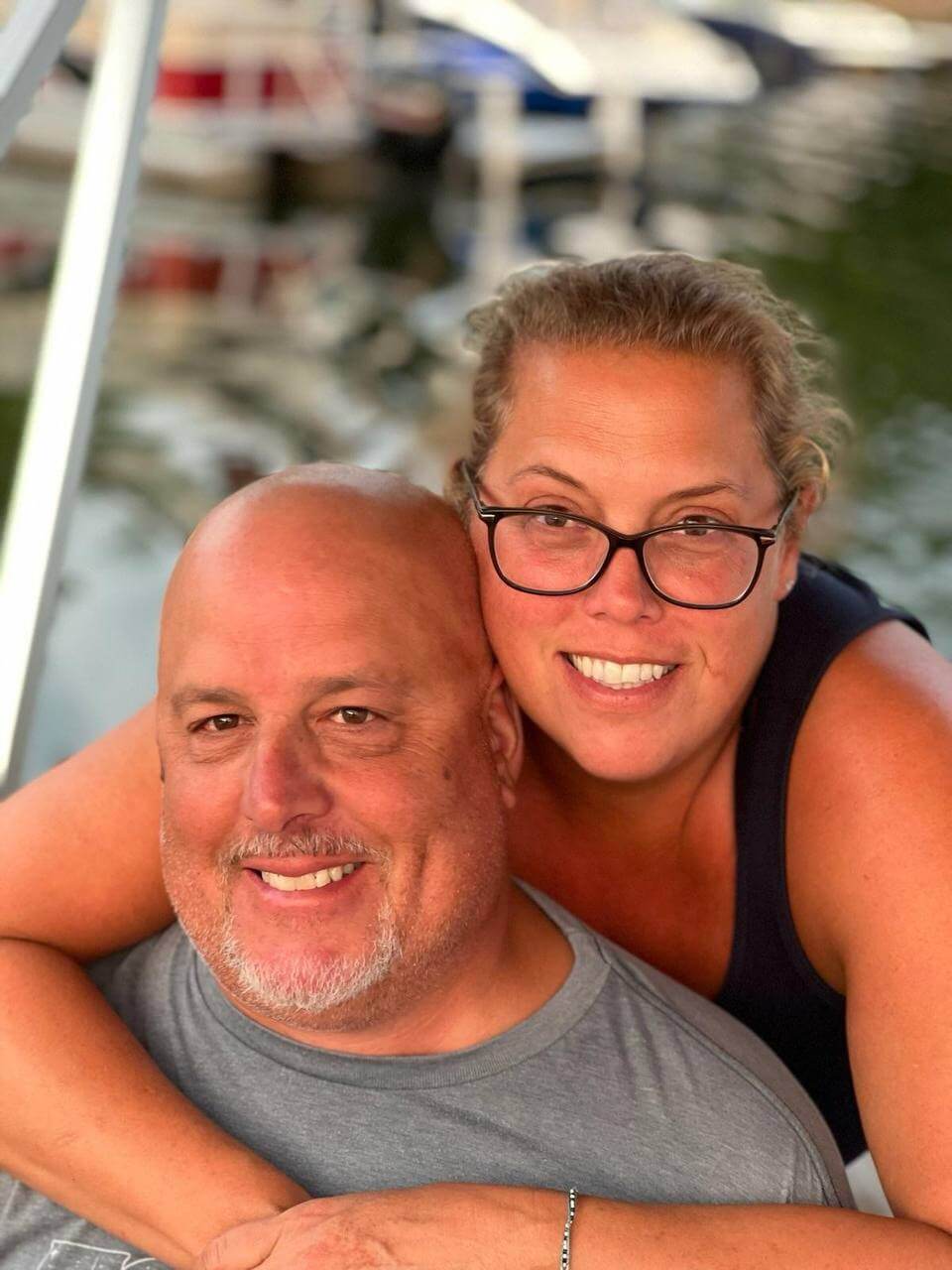
Mark Siegwald Knows the Value of Looking Closer
Most people see the aftermath of a disaster. Mark Siegwald sees the decisions that come next.
After more than 24 years in the insurance, restoration, and property damage consulting industries, Siegwald has learned that successful recovery has very little to do with making quick decisions. Instead, it comes from asking the right questions, paying attention to details, and understanding that every damaged building has a story to tell.
“I’ve learned not to rush toward conclusions,” Siegwald says. “The longer I’ve worked in this industry, the more I realize that slowing down and understanding the situation usually leads to better decisions.”
That mindset has shaped a career that began in insurance claims and evolved into large-scale consulting on some of the country’s most complex commercial property losses.
How Mark Siegwald Built a Career in Property Damage Consulting
Long before he became a Senior Consultant with Bower Group, Siegwald was a college soccer player at Northern Illinois University. A scholarship allowed him to continue playing the sport he loved, and later he competed in club soccer in England and Mexico.
At first glance, soccer and restoration consulting seem worlds apart. For Siegwald, however, the connection has always been obvious.
“Soccer taught me that nobody succeeds alone,” he says. “You learn to communicate, trust the people around you, and stay calm when things don’t go according to plan. I still rely on those lessons today.”
After graduating, he entered the insurance industry, beginning his career as a claims adjuster with Kemper Insurance before spending more than a decade with Liberty Mutual. Those early years exposed him to every stage of the claims process and gave him an understanding of how property losses affect both businesses and the people responsible for them.
“I wasn’t just learning how buildings worked,” he says. “I was learning how people respond when something unexpected happens.”
Why Experience Changed the Way He Solves Problems
As his career progressed, Siegwald moved into restoration leadership roles with Munters Corporation, Belfor USA, and Response Team 1 before transitioning into consulting with Young & Associates and later Bower Group.
Working on multiple sides of the industry changed the way he approached every project.
“I’ve been the adjuster, I’ve worked in restoration, and now I consult,” he says. “Each role teaches you something different. When you’ve seen a project from several perspectives, you stop looking for simple answers.”
Today, his work involves evaluating commercial and institutional losses caused by fire, water, storms, and mold. He develops repair scopes, audits restoration estimates, negotiates project costs, and helps insurance carriers and property owners understand the best path forward.
His assignments have included multimillion-dollar projects involving hospitals, courthouses, sports facilities, warehouses, and municipal buildings.
While every building is different, Siegwald believes one principle remains constant.
“The goal isn’t to make a project bigger or smaller,” he says. “The goal is to make sure the work matches the damage.”
What Walking Thousands of Buildings Has Taught Him
One idea appears repeatedly throughout Siegwald’s career.
You cannot fully understand a building from behind a desk.
Although reports, estimates, and photographs are essential, he believes nothing replaces walking the property and seeing the conditions firsthand.
“I’ve reviewed estimates that looked completely reasonable until I visited the site,” he says. “I’ve also seen situations where one conversation with a facility manager explained more than fifty pages of documentation.”
Those experiences have reinforced another lesson.
Listening often matters as much as technical knowledge.
“Early in my career, I thought expertise meant having all the answers,” Siegwald says. “Now I think expertise starts with asking better questions.”
That philosophy has become one of the defining characteristics of his work. Rather than arriving with assumptions, he begins each project with curiosity.
He wants to understand how the building functions, how the damage occurred, and how the people responsible for the property are experiencing the situation.
The Human Side of Disaster Recovery
Although restoration consulting is highly technical, Siegwald believes people are the most important part of every project.
“When I walk into a building after a major loss, I know the damage is only part of the story,” he says. “There’s usually a business owner wondering when employees can come back, a facility manager worrying about what comes next, or an organization trying to continue serving its community.”
That perspective has influenced how he approaches leadership.
Rather than focusing on providing immediate answers, he prioritizes listening, gathering information, and communicating clearly.
“I’ve learned that honesty builds trust faster than pretending you know everything,” he says. “Sometimes the right answer is simply, ‘Let’s take another look before we decide.'”
Looking Beyond the Damage
As buildings become more sophisticated and restoration projects grow increasingly complex, Siegwald believes experience will continue to matter.
Technology has improved documentation, moisture detection, and estimating, but he does not see it replacing thoughtful decision-making.
“Technology gives us better information,” he says. “Experience helps us understand what that information actually means.”
Looking back, Siegwald does not measure his career by the number of projects completed or estimates reviewed.
Instead, he thinks about the lessons each assignment has provided.
“Every building teaches you something,” he says. “If you’re willing to pay attention, every project makes you a little better than the one before.”
For someone who has spent decades helping organizations recover after difficult days, that may be his biggest idea of all: lasting success is built not by rushing toward answers, but by taking the time to understand the problem first.