
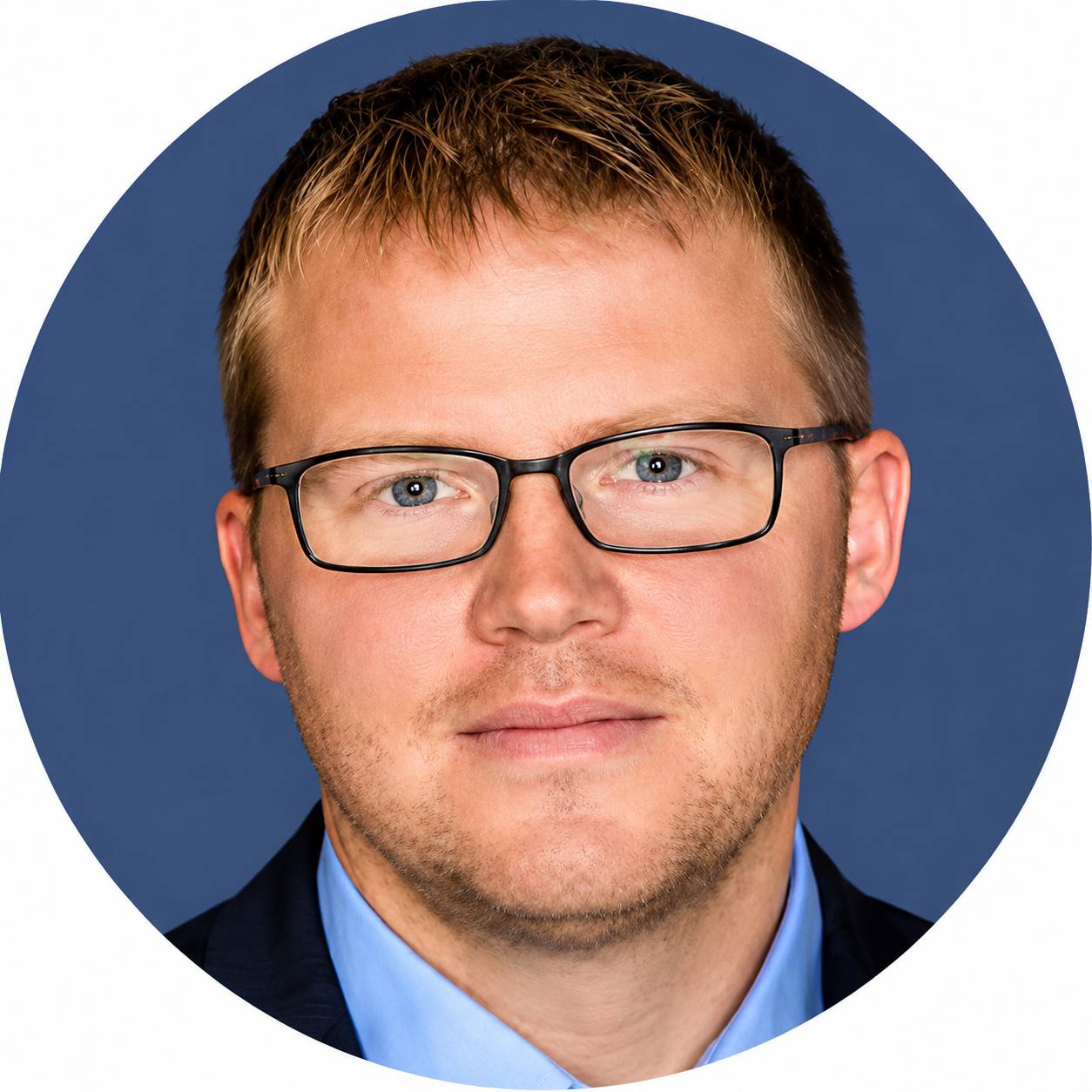
John Sweetser
Mission Architect
Can you introduce your current role and explain what you do as a Mission Architect?
I work as a Mission Architect, where my role is to help define how complex aerospace systems come together to achieve a mission. A big part of my job is understanding the entire system rather than focusing on one component. I spend time working with engineers across different disciplines, helping teams make technical decisions, identify risks, and keep everyone moving toward the same objective. My career has included work in national security, spacecraft design, and engineering leadership, and each role has reinforced the importance of thinking about the bigger picture.
How do engineering teams come together to develop complex aerospace systems, and where do you fit into that process?
No one person designs a spacecraft or a complex aerospace system. It takes specialists in many different fields working together. My role is to help connect those disciplines, making sure decisions made in one area support the overall mission. That often means asking questions, identifying tradeoffs, and helping teams understand how their work affects the rest of the system.
What makes an engineering team successful when working on highly complex programs?
The strongest teams communicate well. Technical expertise is important, but it only goes so far if people aren’t sharing information or understanding each other’s priorities. I’ve found that successful teams create an environment where people can challenge ideas without making discussions personal. That leads to better decisions and stronger engineering.
What types of engineering challenges do you spend most of your time solving?
Most of my work involves systems engineering and mission planning. That means looking at requirements, evaluating technical risks, balancing competing priorities, and helping teams make informed decisions. It’s less about solving one isolated problem and more about making sure the entire system works together as intended.
How do you stay ahead of industry changes in aerospace?
I don’t try to chase every new trend. Instead, I focus on understanding the underlying technologies and how they’re evolving. I read technical papers, follow industry developments, and spend time talking with other engineers. Some of the best insights come from conversations with people solving similar problems from different perspectives.
How do you build long-term trust with the teams you work alongside?
Trust comes from consistency. People want to know you’ll listen, follow through, and make decisions based on facts rather than opinions. I also try to be transparent when there are uncertainties. In engineering, no one has every answer, and acknowledging that often builds more trust than pretending otherwise.
How do you measure success on a complex engineering program?
If people only notice the final result, that’s usually a good sign. The best engineering often looks uneventful because the toughest problems were identified and solved long before anyone outside the team ever saw them. Success usually comes from hundreds of small, thoughtful decisions made consistently over time, not one big breakthrough.
What happens after a major project or milestone is completed?
I think it’s important to spend time reviewing what worked and what didn’t. Engineering organizations gain valuable experience from every project, but those lessons only matter if they’re captured and shared. Continuous improvement is one of the biggest advantages an organization can have.
How do you approach difficult engineering decisions when there isn’t one obvious answer?
I try to understand the tradeoffs before choosing a direction. Every engineering decision involves competing priorities. Improving one area often affects another. The goal isn’t to find a perfect solution. It’s to find the solution that best supports the mission while managing risk responsibly.
How do you balance technical excellence with schedule and resource constraints?
That’s one of the biggest challenges in engineering. It’s easy to keep refining a design forever, but projects still have deadlines and budgets. I’ve learned that practical, reliable solutions delivered on time usually create more value than pursuing perfection indefinitely.
Are there projects or ideas that you believe aren’t ready to move forward?
Absolutely. Sometimes the technology isn’t mature enough. Other times the requirements aren’t clearly defined. Moving forward before those issues are addressed usually creates bigger problems later. Taking time to understand the problem completely often saves significant time and effort during development.
What have been some of the biggest challenges you’ve faced throughout your career?
One of the biggest challenges has been moving from solving technical problems myself to helping entire teams solve them together. As my responsibilities grew, success became less about my own engineering work and more about creating an environment where other engineers could do their best work. That required developing communication and leadership skills alongside technical expertise.
How do you encourage innovation while managing risk?
Innovation doesn’t happen by ignoring risk. It happens by understanding it. I believe teams should be encouraged to explore new ideas, but they also need disciplined processes for evaluating those ideas before making major commitments. Good engineering finds the right balance between creativity and reliability.
How important is team culture in engineering?
It’s incredibly important. People do their best work when they feel comfortable asking questions, sharing ideas, and admitting when something isn’t working. Strong engineering cultures reward curiosity and collaboration instead of individual recognition. That’s how difficult problems get solved.
Where do you hope your career and the aerospace industry will be in the next decade?
I’d like to continue working on programs that push technology forward while helping develop the next generation of engineers. Aerospace is evolving quickly, and I think there will be exciting opportunities to build more capable and more efficient systems. I’m equally interested in helping organizations create environments where engineers can continue learning throughout their careers.
How has your leadership style changed over time?
I’ve become much more focused on helping other people succeed. Earlier in my career, I measured my contribution by the technical problems I could solve myself. Today, I spend more time making sure teams have the information, resources, and clarity they need to do their best work. Good leadership isn’t about having all the answers. It’s about creating an environment where the best ideas can surface and move projects forward.
What emerging technologies are you most excited about?
AI has a lot of potential, but I’m most interested in how it can help engineers ask better questions instead of just generating faster answers. The value isn’t in replacing engineering judgment. It’s in helping people explore more design options, identify risks they might have missed, or spend less time on repetitive analysis. I think the engineers who get the most out of AI will be the ones who know what questions to ask in the first place.
What advice would you give to engineers who hope to grow into leadership roles?
Don’t limit yourself to becoming an expert in one discipline. Learn how different systems connect, spend time improving your communication skills, and stay curious. Some of the best opportunities in my career came from understanding the bigger picture and working well with people from different backgrounds. Technical knowledge opens doors, but collaboration and continuous learning help you keep moving forward.