
Hagan Williams
Hagan Williams DJs
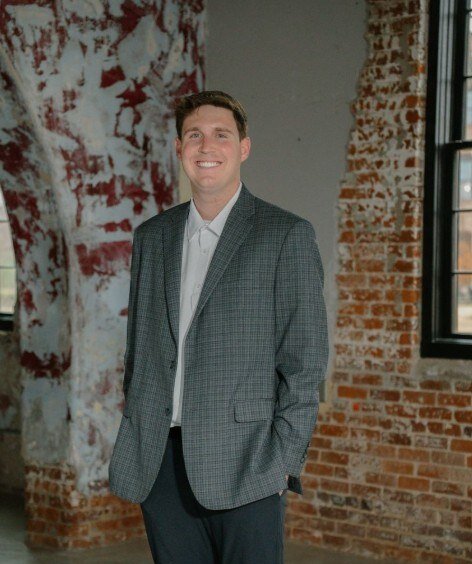
Please introduce your business and describe your role within it.
I own and operate Hagan Williams DJs, a South Carolina-based entertainment company that specializes in weddings and corporate events. My role extends well beyond being the DJ at an event. I work directly with clients throughout the planning process, coordinate with venues and vendors, oversee event timelines, and make sure every celebration runs smoothly from beginning to end. I also manage the day-to-day operations of the business, from client communication and scheduling to long-term planning. My goal is to create an experience where clients can focus on enjoying their event instead of worrying about the details.
What is your business model? Do you rely on an in-house team, outside partners, or a combination of both?
I operate a business that is built on relationships. I handle the planning and client experience directly, while every event involves close collaboration with photographers, planners, venues, caterers, and other professionals. I think of it as a partnership model. Every vendor has their own expertise, and when everyone communicates well, clients receive a much better experience. I have found that no one creates a great event alone.
How does your business stand out in a competitive industry?
Music is only one part of what I provide. Clients hire me because they want someone who understands the flow of an event, communicates clearly, and helps create an atmosphere where people feel comfortable. I spend a great deal of time preparing for every event because I believe the work behind the scenes is what makes everything feel effortless on the day itself. I focus just as much on relationships and communication as I do on playlists and equipment.
Who do you primarily serve, and how has that focus evolved over time?
My business began with school dances when I was a teenager. As I gained experience, I transitioned into weddings and eventually expanded into corporate events as well. Today, weddings remain the core of my business because I enjoy helping couples celebrate one of the most important days of their lives. Corporate events have also become an important part of what I do because many of the same skills apply. Every event requires planning, communication, and the ability to adapt when circumstances change.
What services do clients most often come to you for?
Most clients initially contact me because they need entertainment for their event, but the conversation usually becomes much broader than that. They want someone who can help manage the timeline, serve as a master of ceremonies, coordinate with vendors, and help create an enjoyable experience for their guests. My responsibility is to keep the event moving naturally while allowing clients to stay present with the people around them.
How do you stay current in an industry that is always changing?
One of the advantages of working in live events is that every weekend teaches me something new. Every couple has different priorities, every venue operates differently, and every audience responds in its own way. I learn by paying attention to those experiences and by maintaining strong relationships with other professionals in the industry. I also believe that listening carefully to clients is one of the best ways to stay current because their expectations continue to evolve over time.
Do you have many repeat clients, and what contributes to that loyalty?
In the wedding industry, repeat business often comes through families, referrals, and professional relationships. I have worked with families more than once, and I regularly receive referrals from photographers, planners, venues, and past clients. I think that loyalty comes from consistency. People remember whether you communicated well, were prepared, and followed through on your commitments.
How do you measure customer satisfaction?
The most important measure is whether clients leave feeling that they were able to enjoy their event without unnecessary stress. Positive feedback, referrals, and repeat opportunities are all important indicators, but I also pay attention to the experience throughout the planning process. If communication is clear and expectations are aligned from the beginning, the event itself usually reflects that preparation.
What kind of support do you provide after an event?
Even after an event is over, I remain available if clients have questions or need anything related to their experience. I also believe that maintaining relationships after the event is important. Many clients become long-term connections, and I appreciate hearing about where life takes them after the celebration.
How is your business structured from a pricing standpoint?
Pricing depends on the type of event, the services being provided, and the amount of preparation involved. Every event is different, so I work with clients to understand exactly what they need before providing a proposal. My focus is on delivering value through preparation, communication, and execution rather than offering a one-size-fits-all package.
How do you balance value with affordability?
Every client has a budget, and I respect that. At the same time, I believe clients are investing in much more than entertainment. They are investing in preparation, reliability, experience, and peace of mind. My goal is to provide a level of service that justifies that investment by helping the entire event run smoothly.
Have you ever declined projects because they were not the right fit?
Yes. I have learned that not every opportunity is the right opportunity. If I cannot provide the level of service a client deserves, or if expectations are misaligned, it is better to have an honest conversation from the beginning. Protecting the quality of my work has always been more important than simply filling my calendar.
What have been some of the biggest challenges you have faced?
Like many businesses, I experienced significant uncertainty during the COVID pandemic. Instead of allowing that period to become stagnant, I focused on continuing to work, gaining experience, and preparing for future opportunities. That season reinforced the importance of adaptability and reminded me that work ethic is something I can control, even as circumstances around me change.
How do you continue improving your business?
I think improvement comes from paying attention to the small details. Every event provides an opportunity to learn something that can make the next one even better. I regularly evaluate my communication, planning process, and overall client experience because small improvements accumulate over time.
What role does culture play in your business?
The culture I try to create is built on professionalism, kindness, preparation, and respect. Every client, vendor, and venue deserves to feel that we are working toward the same goal. When people enjoy working together, it creates a better experience for everyone involved.
Where do you hope your business will be in the future?
I want to continue growing in a way that never compromises quality. My goal is to keep building a reputation for dependable service while creating experiences that people remember for the right reasons. Growth is important, but maintaining the trust that clients place in me will always come first.
How has your leadership style changed over time?
Earlier in my career, I thought leadership meant having the right answers. Today, I think leadership is much more about listening, preparing well, and helping other people succeed. I have become more patient, more collaborative, and more willing to adapt when situations change.
What trends are you most excited about in the event industry?
I enjoy seeing couples make their celebrations more personal. Every event has become more reflective of the people at its center, and I think that creates more meaningful experiences. Technology will continue to support the industry, but I believe the human side of events will always matter most because people remember how they felt long after the celebration ends.
What advice would you give to someone building a business today?
I would encourage them to focus on consistency instead of shortcuts. Building a strong reputation takes time, and meaningful relationships cannot be rushed. Showing up prepared, communicating well, and treating people with respect may not produce immediate results, but those habits create opportunities that continue to grow over time. Looking back, I have found that steady progress is far more valuable than quick success because it creates a lasting foundation.
More REVERB Interviews
- Leonard Cagno — Partner
- Dan Champ — Founder
- Aneesh Sharma — Director of Game Management & Analytics for Dartmouth football
- John Sweetser — Mission Architect
- Michael Carrozzo — U.S. Army veteran and community leader
- Brian Hagerty — District Manager
- George Carralejo — Baseball Coach
- Paul M. Wilson — Chief Executive Officer