
Asante Babers
Cybersecurity Engineer
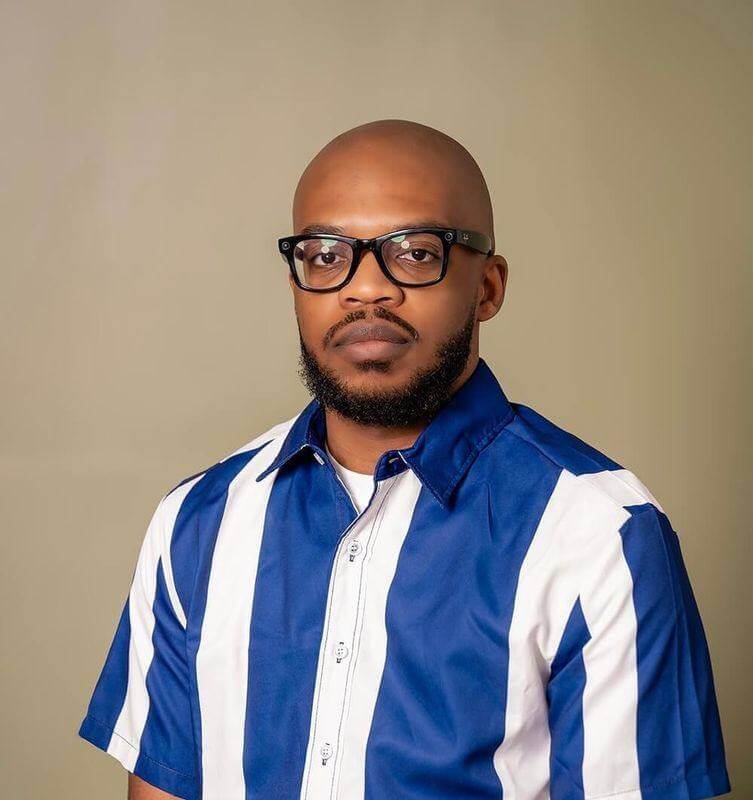
Please introduce yourself and describe your role in cybersecurity.
I’m a cybersecurity engineer with more than 20 years of experience designing, operating, and improving security systems across enterprise, government, and mission-critical environments. My work focuses on helping organisations build resilient security architectures, modernise legacy infrastructure, and reduce long-term risk. Depending on the engagement, I work as an engineer, adviser, technical leader, or strategist. I also create educational content that makes cybersecurity more understandable for both technical and non-technical audiences.
How do you approach your work – do you rely on internal teams, external partners, or a combination of both?
Most of my work is collaborative. I work closely with internal engineering, operations, and leadership teams because they know their environment better than anyone else. Where specialised expertise is needed, I also collaborate with external vendors or partners. My goal is always to build solutions that the client’s own team can understand, operate, and improve long after the project ends.
How do you differentiate yourself in a crowded cybersecurity industry?
I focus on fundamentals rather than trends. Many people immediately look for another security product or platform. I start by understanding how the existing environment actually works. In many cases, reducing complexity creates more value than adding another tool. I spend a lot of time improving visibility, documenting systems, reducing technical debt, and helping teams build processes that will still work years from now.
Which industries do you work with, and how has that experience shaped your approach?
I’ve worked across technology, cybersecurity vendors, defence-related organisations, financial services, fintech, insurance, healthcare, and wellness technology. Every industry has different regulations and priorities, but they often face similar operational challenges. Working across sectors has helped me recognise patterns that aren’t obvious when you spend your entire career in one industry. It has taught me to focus on principles instead of assumptions.
What kinds of challenges do organisations usually bring to you?
Most organisations aren’t looking for a single technical fix. They’re trying to solve larger operational problems. That might involve modernising legacy infrastructure, improving their security architecture, reducing technical debt, strengthening cyber resilience, or helping executive leadership better understand cyber risk. My role is usually to simplify those challenges into practical steps that teams can actually execute.
How do you stay ahead in an industry that changes so quickly?
I don’t try to chase every headline. Instead, I spend time understanding why changes matter. I read technical research, follow security communities, review incident reports, and pay close attention to how organisations are adapting in practice. I also learn from every environment I work in. Real-world experience usually teaches more than predictions.
Do you work with organisations over the long term? If so, why do they keep coming back?
Many relationships become long-term because security isn’t a one-time project. Systems change, businesses grow, and threats evolve. Organisations value consistency and practical advice. I focus on creating solutions that fit their environment rather than forcing a standard approach. When people know you’re trying to solve their problem instead of selling them something, trust develops naturally.
How do you measure whether your work has been successful?
Success isn’t measured by how many tools have been deployed. I look for better visibility, simpler operations, reduced technical debt, stronger collaboration between teams, and faster decision-making during security events. I also pay attention to whether the client’s internal teams can confidently operate the environment without becoming dependent on outside support.
How do you support organisations after major security initiatives are complete?
Security is an ongoing process. After implementation, I focus on documentation, knowledge transfer, training, and helping teams build repeatable operational processes. My goal is to leave organisations stronger and more self-sufficient than when I arrived. Good documentation and clear communication are just as important as the technology itself.
How do you approach project planning and engagement structure?
Every engagement is different. The structure depends on the complexity of the environment, the scope of work, and the organisation’s objectives. Rather than forcing projects into a standard template, I begin with assessment, define priorities, and then build a phased plan that allows improvements to happen without creating unnecessary disruption.
How do you define value in your work?
Value comes from making systems easier to understand, easier to manage, and more resilient over time. That often means preventing future problems instead of simply fixing today’s issue. If an organisation becomes more confident in its operations and spends less time reacting to avoidable problems, that’s meaningful value.
Have you ever declined work because it wasn’t the right fit?
Yes. If an organisation is looking for a quick technical fix but isn’t willing to address the underlying operational issues, expectations usually won’t align. Security cannot succeed without commitment from both technical teams and leadership. It’s better to be honest about that upfront than promise outcomes that aren’t realistic.
What have been some of the biggest challenges during your career?
One of the biggest challenges has been helping organisations navigate increasing complexity. Over the years, many environments have accumulated layers of technologies, processes, and tools that were added at different times for different reasons. Untangling those environments requires patience. Early in my career, I also learned that adding more security products doesn’t automatically improve security. On one project, we built an environment that became unnecessarily difficult to manage because too many overlapping tools reduced visibility. That experience reinforced my belief that simplicity often creates stronger security.
How do you continue innovating as cybersecurity evolves?
Innovation starts with curiosity. I’m always asking whether there’s a simpler or more effective way to solve a problem. New technologies are important, but I don’t adopt them simply because they’re new. They need to improve operations, reduce complexity, or strengthen resilience in measurable ways.
How important are people and culture in successful cybersecurity programmes?
Technology alone doesn’t secure organisations. People do. The strongest environments I’ve worked in are the ones where engineers, operations teams, and leadership communicate openly and share responsibility. I also believe in mentoring. Helping engineers understand why decisions are made creates stronger teams than simply telling people what to do.
Where do you see your work evolving over the next decade?
I expect cybersecurity to become even more integrated into everyday business operations. Artificial intelligence will change both defence and attack strategies, but organisations will still need strong foundations. I want to continue helping organisations build resilient systems while expanding the educational side of my work. Making cybersecurity easier to understand will only become more important as technology touches every part of society.
How has your leadership style changed throughout your career?
Early in my career, I focused almost entirely on solving technical problems myself. Over time, I realised that sustainable results come from helping other people solve problems. Today, I spend more time listening, asking questions, and making sure different teams understand each other. Good leadership creates clarity before it creates solutions.
What technologies and trends interest you most right now?
I’m interested in how artificial intelligence can improve security operations without increasing unnecessary complexity. I’m also encouraged by the growing focus on building security into systems from the beginning rather than adding it after deployment. That shift encourages better engineering, stronger collaboration, and more resilient organisations.
What advice would you give to someone building a career in cybersecurity or technical leadership?
Build your foundation before chasing the newest technology. Learn how systems actually work. Develop strong communication skills alongside technical knowledge. Work in different environments if you have the opportunity because every industry teaches something new. Most importantly, remember that the goal isn’t to build the most complicated solution. The goal is to build one that people can understand, operate, and trust when it matters most.
More REVERB Interviews
- Marty Brickey — entrepreneur, investor, and technology consultant
- Michael Korneev — CEO
- Chris Hinman — CEO and Founder
- Monte Persinger — Owner and CEO
- Oleg Kulyk — CEO and Co-Founder
- Joseph Franklyn McElroy — Founder & CEO
- Flora Dong — Founder and Managing Partner
- Karunamaya Vesna Blazhevska — Communications Professional