
William Stapleton
President & CEO
Iron Rock Payments
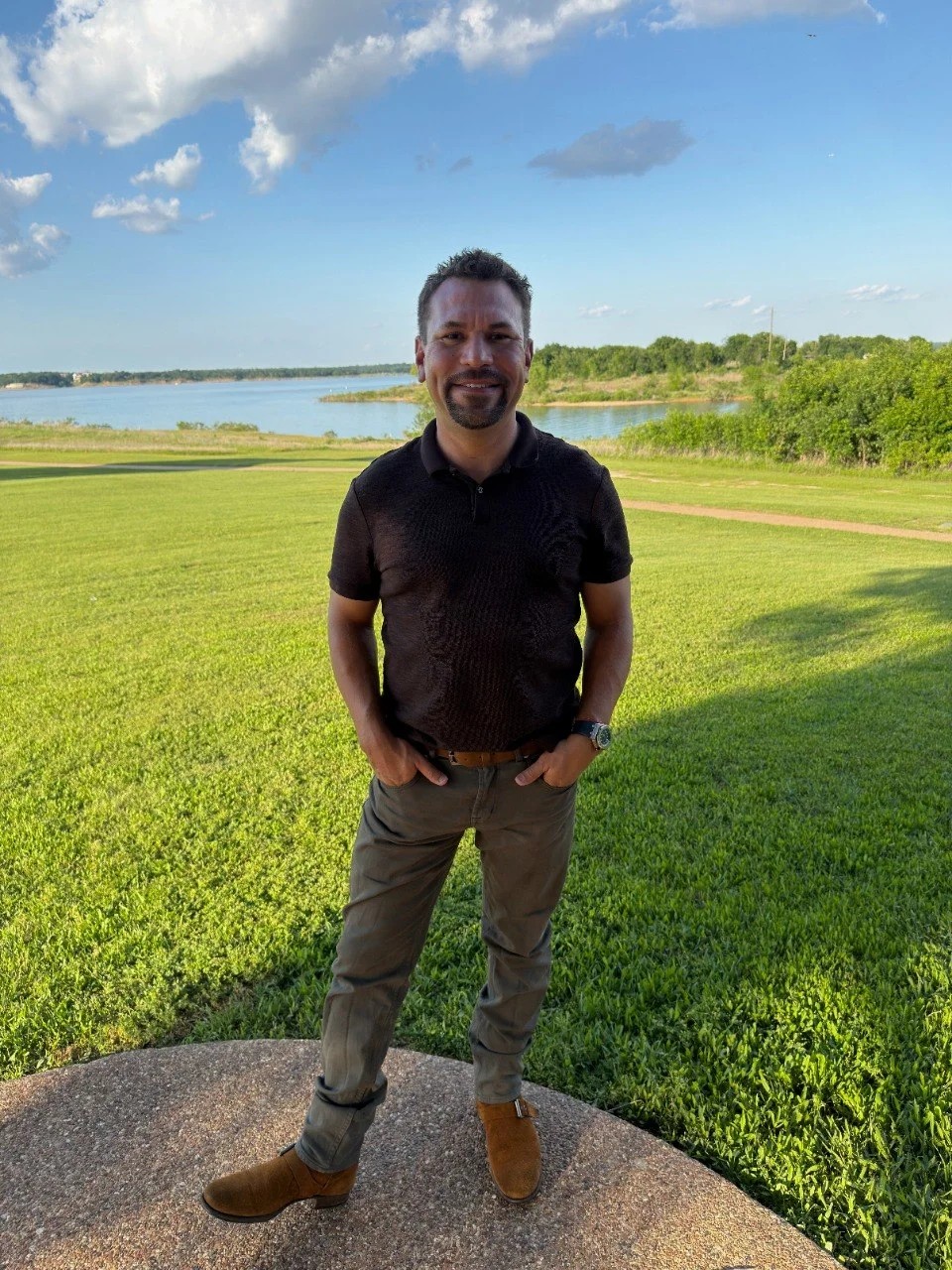
William Stapleton is President and CEO of Iron Rock Payments, a credit card processing company he founded after selling his first company, PayFacto, to Visa in 2019. In this Q&A, he answers questions about how the company is built, who it serves, and how he runs it day to day.
Please Introduce Your Company and Describe Your Role as CEO
I’m President and CEO of Iron Rock Payments, a credit card processing company I started after I sold my first company, PayFacto, to Visa in 2019. We’re based in Frisco, Texas. Day to day, my role is a mix of sales strategy, merchant relationships, and holding the operation to the standard I set back when I was writing every contract myself.
Is Your Business Model in-House, Outsourced, or a Hybrid?
It’s a hybrid. Our in-house team handles underwriting, client relationships, and support directly. For the processing infrastructure itself, the networks that move a transaction from a terminal to a bank, we work through established partners. Rebuilding that layer from scratch would be slow and expensive, and it’s not where the value is. Owning the client relationship and the support layer is.
How Do You Differentiate From Competitors in a Crowded Market?
Most of this industry sells on price alone. We compete on access. When a merchant calls, they reach someone who already knows their account, not a call center reading from a script. I built both of my companies on the idea that processing is a people business wearing a technology coat.
What Industries Do You Serve, and Has That Focus Changed?
We work mostly with small and mid-sized businesses, retail and service businesses that run a steady volume of card transactions. That focus hasn’t moved much. What has changed is how people pay. There’s more contactless and online volume now, and less swipe.
What Services Are Clients Asking for Most?
Straightforward processing and reliable support bring in most clients. Close behind that is helping a business untangle a rate structure left over from a previous processor. Fee structures aren’t written to be easy to read. People usually come to us once they’re tired of not understanding their statement.
How Do You Stay Ahead of Industry Shifts?
I read the data, but I weight the conversations higher. We talk to merchants every day about what’s slowing down their checkout line or costing them chargebacks. Those conversations show me where the industry is heading before a report does.
How Many of Your Clients Are Repeat, and Why Do They Stay?
I don’t track an exact repeat-client percentage. What I can say is retention is strong, and it holds for one reason: merchants leave over bad support far more often than they leave over price. We keep the same people on an account for years so a client isn’t explaining their business from scratch every time they call.
How Do You Measure Customer Satisfaction?
We watch response time, and we watch repeat calls. If someone calls twice about the same issue, that’s a miss on our side, not theirs.
What Support Do Clients Get After Onboarding?
There isn’t really a cutoff point in this business. The relationship starts when the account goes live, not when it ends. We have a team of 15 people who handle support directly, and accounts are assigned so a merchant isn’t starting over with a new person every time they call in.
What Does Your Pricing and Billing Structure Look Like?
We don’t run a single flat rate. Pricing depends on a merchant’s volume, their industry risk, and how they take payments. We walk through the numbers with the business owner directly instead of handing them a standard tier and moving on.
What’s a Typical Price Range, and How Do You Balance Cost With Value?
I won’t put a specific number on that, because it depends on the account, and I don’t want anyone treating a general figure as a quote. What I will say is we price to be competitive on rate while keeping the support layer intact. Cutting staff to win on price isn’t a trade we make.
Have You Turned Down Business Based on Budget or Scope?
Yes. If a business processes too little volume, the fees needed to support the account properly don’t make sense for either side. In those cases, I say so directly instead of signing someone up for a plan that won’t serve them.
What Has Been a Real Challenge in Running the Company, and How Did You Work Through It?
Moving from founder to CEO meant learning to run the business through other people instead of doing it myself. Early on, I was the whole machine. The ongoing work is building a team I trust enough to make calls I used to make personally.
How Do You Keep the Company Adapting to New Technology?
I try to adopt new payment technology early, contactless and mobile options especially, rather than waiting until merchants start asking for it. It’s easier to build a habit into the business before it becomes a catch-up project.
What Role Does Company Culture Play, and How Do You Maintain It?
With 15 people, culture isn’t a program, it’s who you hire. I look for people who’ll tell me when something’s wrong instead of waiting to be asked.
Where Do You See the Company in Five to Ten Years?
Growth that doesn’t cost us the personal service we built the company on. I’d rather stay an Inc. 5000 company with people who know their accounts than get bigger and generic.
How Has Your Leadership Style Changed Over Time?
I used to lead by doing everything myself. Now I lead by deciding what not to do myself, and trusting the people around me with the rest.
What Technology or Market Shift Are You Most Interested In?
Faster, simpler payment methods that cut friction at checkout. Every improvement there helps the merchants we serve directly. They’re the ones who lose business to a slow or confusing checkout line.
What’s One Lesson You’d Pass on to Someone Starting Out?
Learn the business from the ground up, not from the org chart. I worked from age 14, and that habit of understanding how the actual work gets done never left me. It’s hard to run a company well if you’ve never done the job you’re asking someone else to do.
Key Learnings
- Compete on access, not price alone: merchants should reach someone who already knows their account.
- Own the client relationship and support layer; partner on the processing infrastructure.
- Keep the same people on an account for years so clients never start from scratch.
- Be direct about fit, including turning down accounts that a plan won’t serve.
- Lead by deciding what not to do yourself, and learn the business from the ground up.
More REVERB Interviews
- Darryl Kauffman — Accountant, Consultant & Business Coach
- David Torske — Construction Project Coordinator
- Kyle Asman — Founder & Managing Partner
- Sergio P. Mendes — Commercial Finance Manager
- Katie Nielsen — sole proprietor
- John Theodore Zabasky — CEO
- Tangela Q. Parker — Enterprise Leader
- Onil Gunawardana — AI Product Leader