5 Best Digital Analytics Tools For Marketers, SaaS, And eCommerce In 2025
Dominic Tarn
Head of Content - ReVerb
03.03.2025
Have you ever wondered why some businesses seem to know exactly what their customers want?
The secret lies in data, not guesswork. Understanding user behavior has never been more important. Whether you’re running a SaaS business, managing an e-commerce store, or leading a marketing team, good data always leads to better decisions.
As AI and automation level up analytics, digital analytics tools now reveal richer insights and clearer next steps. A well-picked platform will let you measure conversions, boost engagement, and sharpen your strategy with real confidence. Let’s break down the 5 best digital analytics tools for 2025.
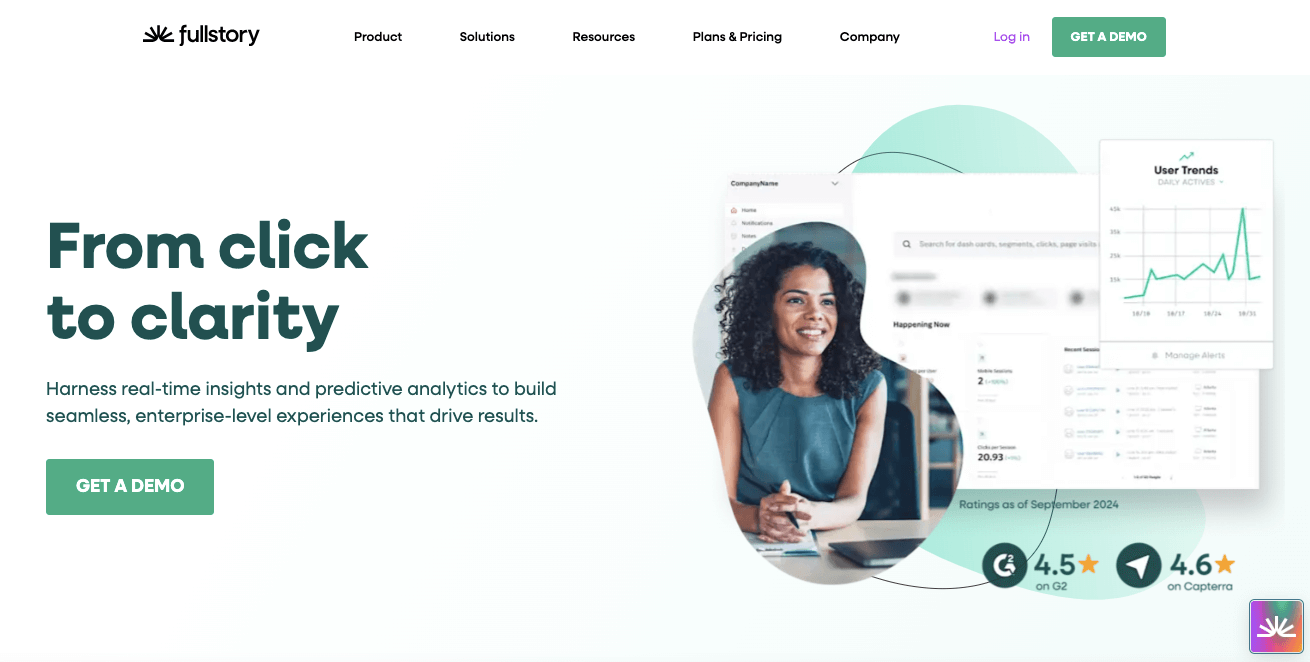
On the top of our list, FullStory is a powerful digital analytics tool for businesses looking to optimize user experience. It records entire user sessions, allowing teams to watch how visitors navigate their site or app. Heatmaps and AI-driven insights help pinpoint friction points, making it easier to improve user flow and increase conversions. SaaS and e-commerce companies benefit the most from its deep behavioral tracking and error detection.
Standout feature: AI-powered session replays
Pricing: Custom, based on session volume
2. Google Analytics
Best for: Tracking website traffic and marketing ROI
Google Analytics remains the most widely used analytics platform, offering a comprehensive view of website performance. It tracks traffic sources, user demographics, and on-site behavior while integrating seamlessly with Google Ads and Search Console. GA4, the latest version, shifts toward an event-based tracking model, helping businesses better understand customer interactions across devices.
Standout feature: AI-driven audience insights
Pricing: Free, with GA360 for enterprise users
3. Mixpanel
Best for: SaaS teams and app analytics
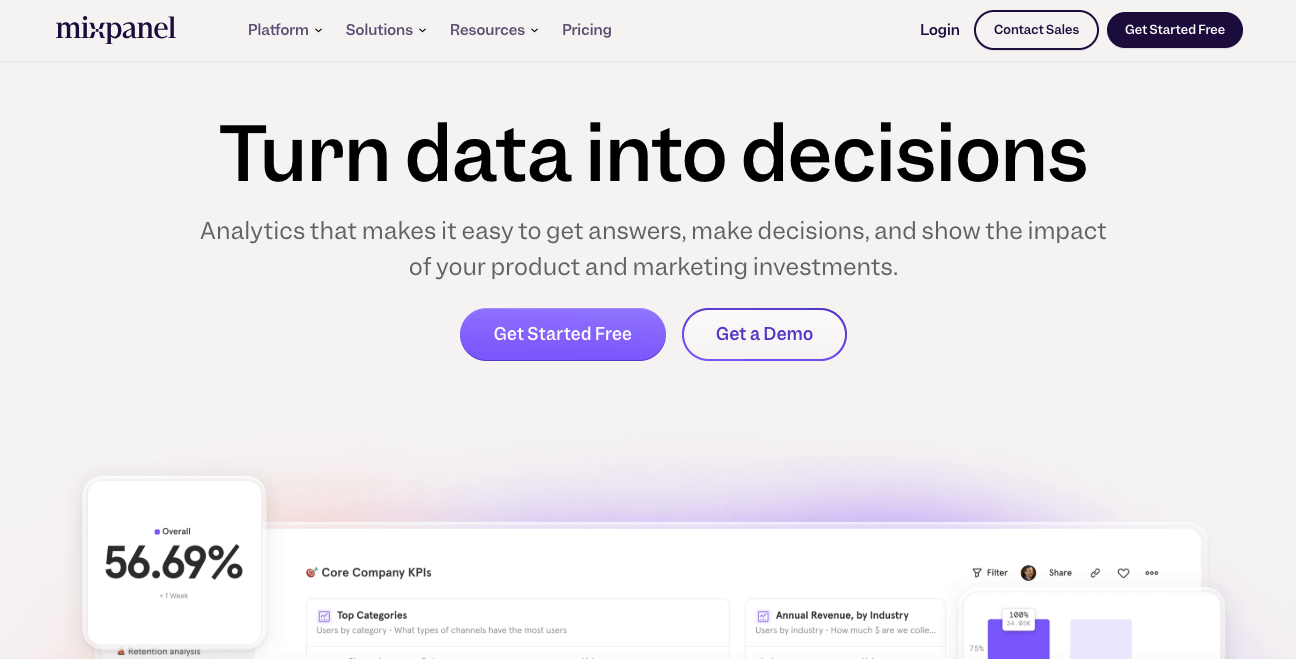
Mixpanel is built for teams that need more than just pageview analytics. It excels in event-based tracking, helping businesses analyze user behavior within apps and digital platforms. Advanced segmentation, funnel tracking, and A/B testing make it a go-to choice for SaaS companies optimizing retention and feature engagement. Unlike traditional tools, Mixpanel provides real-time insights, helping teams quickly adapt based on user behavior.
Standout feature: Advanced cohort analysis
Pricing: Free tier available or paid plans that start at $20/month
4. Matomo
Best for: Businesses prioritizing data ownership
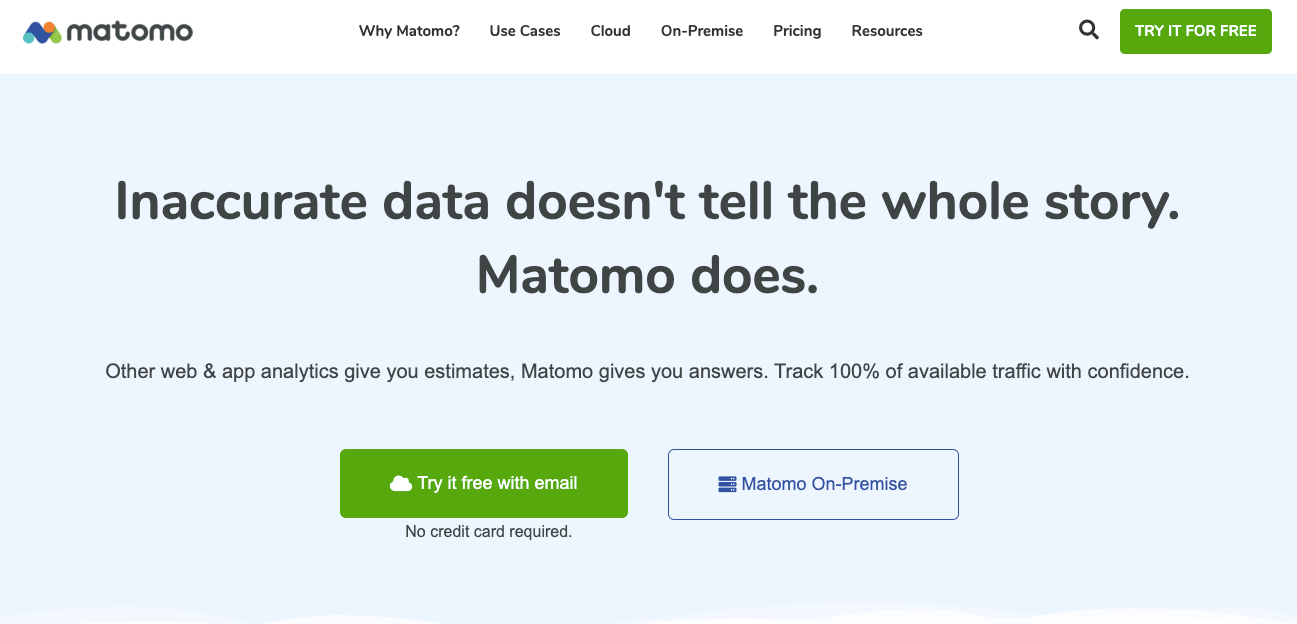
Matomo is an open-source analytics platform designed for businesses that want full control over their data. Unlike Google Analytics, Matomo allows companies to self-host their analytics, ensuring compliance with data privacy laws like GDPR. It includes features like session recordings, heatmaps, and custom reporting, making it a strong alternative for those concerned about third-party data sharing.
Pricing: Free for self-hosted or cloud version that starts at €19/month
5. Amplitude
Best for: Product teams focused on retention
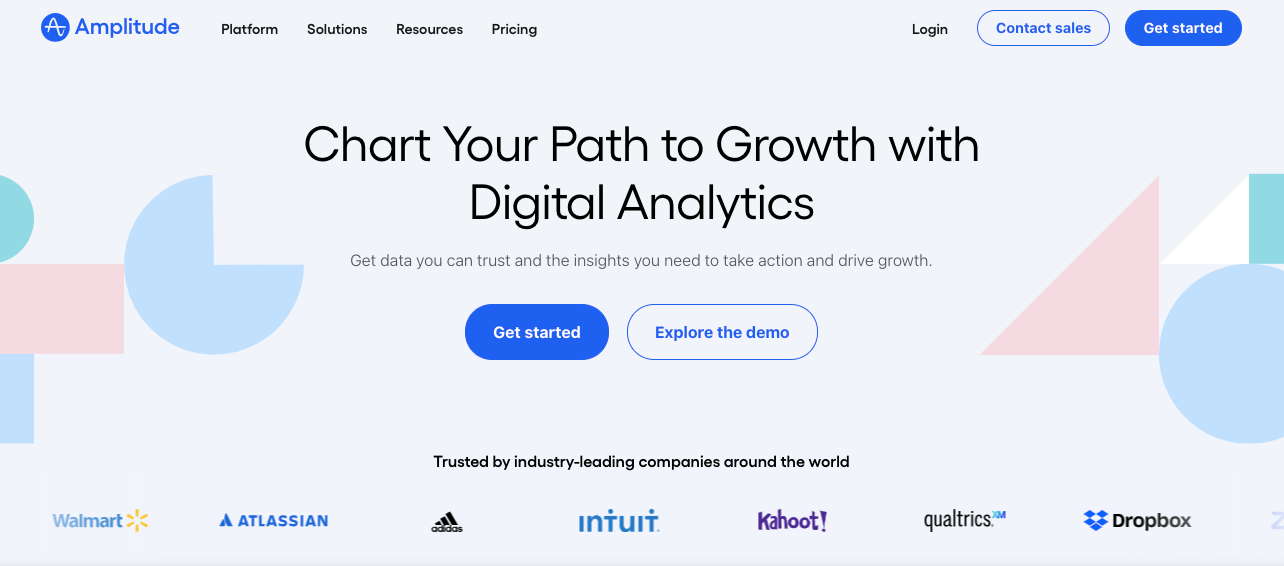
Amplitude focuses on product and customer analytics, making it a favorite for growth-driven teams. It helps businesses track user behavior at every stage of the customer journey, allowing them to optimize retention and engagement. With powerful behavioral cohorts, funnel analysis, and predictive modeling, Amplitude is particularly valuable for SaaS and e-commerce brands looking to refine their product strategies.
Standout feature: Behavioral cohorts and predictive modeling
Pricing: Free tier available or custom pricing for enterprise plans
How To Choose The Right Digital Analytics Tool
Now comes the main question: what criteria should you follow when picking among the best digital analytics tools? There are 4 main factors you need to pay attention to:
1. Business goals
The right tool depends on what you need to track. Google Analytics works well for general traffic insights, while Mixpanel and Amplitude give detailed engagement data for SaaS and product teams. FullStory focuses on UX, and Matomo is best for data privacy.
For enterprise-level businesses, tools offering in-depth analysis, like Adobe Analytics metrics, might also be considered when complex multi-channel tracking is required.
2. Ease of use
Some platforms require technical skills, while others offer a smoother experience. Google Analytics has a learning curve, while FullStory and Mixpanel provide more intuitive dashboards. Matomo’s self-hosted option demands extra setup but gives full control.
3. Compliance and privacy
With privacy laws tightening, businesses handling sensitive data should consider Matomo for self-hosted tracking. Google Analytics is widely used but comes with regulatory concerns in some regions.
4. Budget and scalability
Free plans work for small teams, but costs rise with data volume. Google Analytics remains free unless you opt for GA360. Mixpanel and Amplitude have free tiers, but advanced features get expensive fast. Matomo’s self-hosted version avoids recurring fees but needs server resources.
Conclusion
One thing is clear: good data leads to better decisions. Whether you’re optimizing marketing performance, refining UX, or boosting retention, the right digital analytics tool can make all the difference.
The best platform depends on your business needs, technical skills, and budget. Choose wisely, and your data will work for you—not the other way around.