
Armik Aghakhani
Managing Partner
Chartered International LLP
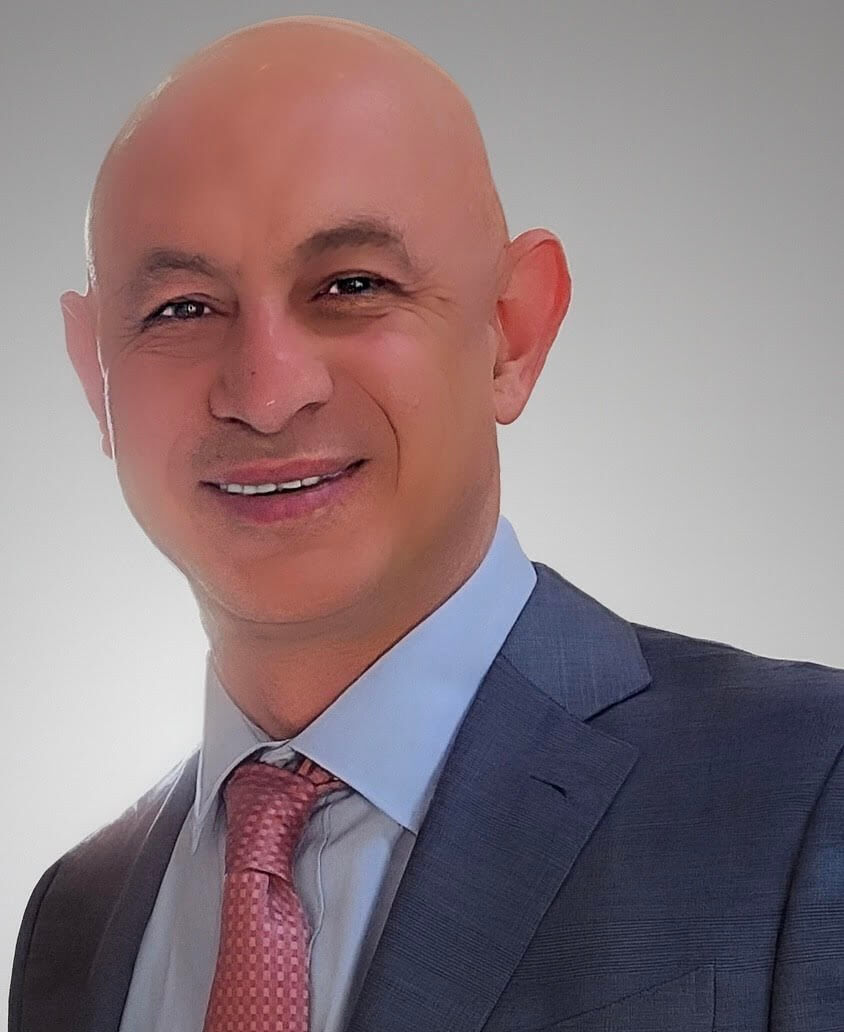
Please introduce Chartered International LLP and describe your role as Founder and Managing Partner
I founded Chartered International LLP in Beverly Hills. I serve as Managing Partner. I oversee client strategy, complex engagements, and firm operations. My role is hands-on. I review work, set standards, and guide our team on high-risk matters. I focus on judgment, not volume. Clients come to us when the situation is layered or sensitive. My job is to make sure nothing important gets rushed or overlooked.
What is your firm’s core operating model – in-house team, third-party vendors, or hybrid?
We operate primarily with an in-house team. Core accounting, audit coordination, and advisory work stay internal. That protects quality and confidentiality. For specialized matters such as certain technical studies, we may coordinate with vetted external specialists. That is selective. We control the process. I do not outsource judgment.
How do you differentiate yourself in a crowded accounting market?
We differentiate through discipline and clarity. We do not compete on speed or noise. We compete on preparation. I insist that clients understand what is happening. If they are confused, that is on us. We slow down critical moments. We document decisions. We explain reasoning. Many clients come to us after a stressful experience elsewhere. They want fewer surprises.
What types of clients do you primarily serve, and how has that evolved?
We work with individuals, families, business owners, and high-net-worth clients. Some have international exposure. That focus evolved over time. Early in my career, I handled broad assignments inside larger firms. When I launched my own practice, I narrowed the scope to clients who needed ongoing strategic oversight, not just transactional work. Today, most of our relationships are long-term.
What services are most in demand?
Clients approach us for accounting oversight, audit coordination, domestic and international tax matters, business management, and structured planning support. We also handle R&D credit coordination and cost segregation analysis when appropriate. The common thread is complexity. People come to us when they want clarity across moving parts.
How do you stay ahead of industry shifts when information moves quickly?
I do not chase trends. I focus on fundamentals. Rules change. Enforcement priorities shift. I stay current through professional associations, continuing education, and peer discussions. I also review real cases. That is where practical lessons show up. When you understand the structure behind the rule, changes are easier to absorb.
Do you have a significant percentage of repeat clients? What drives loyalty?
Yes. Most of our clients are repeat. Loyalty comes from predictability. We set expectations early. We communicate clearly. We do not overpromise. When issues arise, we address them directly. I tell clients what I know, what I do not know, and what we are doing next. That builds stability.
How do you measure and ensure client satisfaction?
We measure satisfaction through retention and referrals. We also look at error rates, response times, and review cycles. If a file requires multiple corrections, we study why. If a client seems uncertain, we schedule a conversation. I prefer direct feedback over surveys.
What kind of post-engagement support do you provide?
Most engagements are ongoing. We remain available year-round. Clients can call with questions tied to life changes, business shifts, or new responsibilities. We document discussions. We revisit prior assumptions when circumstances change. We do not disappear after a filing.
How is your pricing structured?
Pricing depends on scope. Some services are fixed annual retainers. Others are project-based. Complex matters are quoted after review. I avoid underpricing to win work. That creates shortcuts. Fees reflect time, risk, and oversight required.
What is the typical price range of your engagements?
The range varies widely depending on complexity. I do not publish standard numbers because no two situations are identical. Our clients understand they are paying for judgment and oversight, not just form preparation.
Have you turned down work based on budget or scope?
Yes. If the budget does not allow proper review, we decline. If the client wants speed over accuracy, we decline. Minimum fit includes transparency, documentation, and reasonable timelines. I would rather pass than compromise standards.
What key challenges has your firm faced in recent years?
The pace of regulatory change has increased. Expectations are higher. Clients want faster answers. We addressed this by tightening internal review systems and reinforcing communication cadence. We schedule planning sessions earlier in the cycle. That reduces last-minute pressure.
How do you foster innovation while maintaining discipline?
Innovation for us means improving process. We refine workflows. We standardize documentation. We train staff to identify risk signals earlier. I am open to tools that improve accuracy and review efficiency. I am not interested in shortcuts.
What role does company culture play in your success?
Culture is central. I tell my team that bad news does not improve with time. Speak early. We value preparation over appearance. Junior staff are encouraged to ask questions. That reduces silent errors.
Where do you see the firm in five to ten years?
I see us remaining focused and selective. I do not aim to become the largest firm. I aim to remain dependable. Growth will be controlled. Quality will stay central.
How has your leadership style evolved?
Early in my career, I focused on technical precision. Over time, I learned that communication carries equal weight. I now spend more time teaching context and judgment, not just rules.
What industry shifts are you watching closely?
Cross-border complexity is increasing. Compliance standards are tightening. Clients face more scrutiny. I am focused on strengthening review systems to meet that environment.
What advice would you give to emerging leaders in professional services?
Do not build your reputation on speed. Build it on clarity. If a client cannot explain what you did for them, you need to improve your process. In this field, trust is the real asset. Protect it early.