
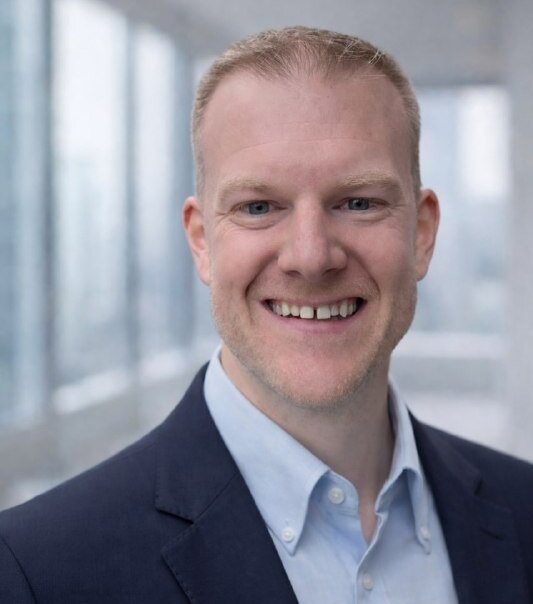
Brian Casella
Creative and Technical Director
Fox Haus Event Production
Please introduce your organization and describe the role you play in shaping its vision, culture, and long-term direction.
I run Fox Haus Event Production. We design and execute lighting, staging, and full production systems for events across the Northeast. My role sits at the intersection of creative direction and technical oversight. I define the design standards, the operational systems, and the type of work we accept. I also stay close to the technical side of production. That includes power planning, rigging strategy, and lighting design. Long term, the goal is simple. Build a production company known for reliability, clean design, and disciplined execution.
How do you think about building teams and systems to execute that vision?
I build around capability and accountability. Core technical work stays in-house. That includes lighting design, programming, and production management. For scale, we partner with trusted riggers, staging providers, and specialty vendors. Events move fast. A hybrid model gives us flexibility without sacrificing quality control. Every project runs through a clear system. Site visit. Technical plan. Power distribution map. Load-in schedule. Cue programming. Then we execute.
From a leadership perspective, how do you ensure your organization stands out in a competitive market?
We compete on clarity and execution. Many production companies focus on gear lists. We focus on systems. Our clients get clear technical plans and realistic timelines. Lighting is designed to support the room, not overwhelm it. Power and rigging are planned early. When production runs smoothly, clients notice. Reliability is our differentiator.
Which industries or communities do you feel most responsible for serving today?
Our work sits primarily in weddings, corporate events, and private celebrations. These clients care about experience and atmosphere. Over time we have also worked with venues and planners who need a production partner they can trust. My focus has shifted toward long-term relationships with planners and venues because they shape multiple events each year.
What problems do clients most urgently come to you with?
Most clients come to us with one problem. They want a space transformed. The room feels flat or limited. They want it to feel immersive. Our job is to design lighting and production that shifts the atmosphere without complicating the event. If the project requires technical infrastructure we cannot deliver safely, we say so early.
As a leader, how do you stay ahead of industry shifts?
I stay close to the work. I still design lighting systems and review technical plans. Equipment changes quickly in this industry. LED technology, wireless control systems, and power efficiency all continue to evolve. The best way to stay ahead is to test equipment in real environments and pay attention to what actually improves the result.
What does long-term trust with clients look like to you?
Trust shows up when clients stop worrying about production. They know the lighting will work. They know load-in will run on schedule. Many planners bring us into projects early because they know we will solve technical issues before they become problems.
How do you define success for your clients?
Success means the event runs smoothly and the room feels intentional. Guests experience the environment without thinking about the equipment behind it. For our team, success is a clean install, stable power, and a lighting design that supports the moment.
What responsibility do you believe leaders have after a project is complete?
We review every event internally. What worked. What failed. What could improve. If a venue or planner needs technical advice for a future event, we provide it. Production relationships extend beyond one project.
How do you approach pricing and value alignment?
Production pricing reflects planning, equipment, labor, and risk management. If a client reduces scope, we adjust the design to match the budget. What we do not do is cut safety or reliability.
How do you balance accessibility with excellence when setting price expectations?
Fair value means the client understands what they are paying for. We explain the technical work behind the scenes. When people see the infrastructure required to build an event, pricing becomes easier to understand.
Have you ever said no to an opportunity that looked attractive on paper?
Yes. If the timeline is unrealistic or the venue infrastructure cannot support the design safely, we step away. Protecting the team and the event matters more than chasing every project.
What have been the most meaningful challenges you’ve faced as a leader?
Scaling while maintaining quality. Growth introduces complexity. You add equipment, staff, and logistics. The challenge is maintaining the same attention to detail across every event.
How do you create space for innovation while maintaining focus?
We test new equipment and lighting approaches in controlled environments first. Innovation happens in the design stage, not during live installation.
What role does culture play in performance?
Culture drives reliability. Our crew knows preparation matters. We show up early, check power systems, and verify rigging loads. Small habits prevent large problems.
Looking ahead 5–10 years, what impact do you want your organization to have?
I want Fox Haus to be known as a production partner venues and planners trust. The company should represent disciplined production design and reliable execution.
How has your leadership philosophy evolved over time?
Earlier in my career I focused heavily on gear and visual impact. Over time I realized systems matter more. Planning, safety, and crew coordination define the outcome.
Which emerging technologies excite you?
LED efficiency and wireless control systems continue to improve. Lighter fixtures reduce rigging loads. Better power efficiency improves safety and logistics.
What advice would you give to emerging leaders?
Learn the technical side of your craft. Creativity matters. Execution matters more. The strongest leaders understand both.