
Captain Robert McRath
Regional Partner
Delta Air Lines
How would you describe your role as a Captain at Endeavor Air and how you contribute to operations and team performance?
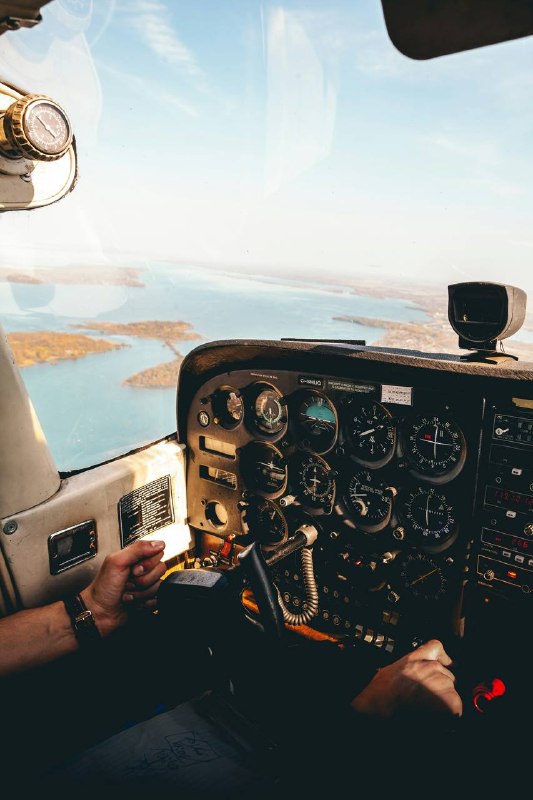
I’m a Captain at Endeavor Air, which operates as a regional partner for Delta Air Lines. My role is to lead the flight from start to finish. That includes pre-flight planning, coordinating with the crew, and making operational decisions in real time. I’m responsible for safety, compliance, and communication. Culture in this setting is built through consistency. I set the tone by being prepared, clear, and steady.
How do you approach building effective cockpit teams and managing crew dynamics?
Every flight is a new team. You don’t always fly with the same people. So I focus on clear communication and standard procedures. I rely on crew resource management. That means everyone has a voice, but decisions are structured. I keep things simple. Brief clearly. Confirm understanding. Execute.
In a competitive aviation industry, how do you maintain a high standard of performance?
You focus on fundamentals. Preparation, discipline, and adherence to procedure. There’s no room for shortcuts. The industry is competitive, but safety and consistency are the baseline. Standing out means being reliable every time.
Who do you feel responsible for serving in your role?
Passengers first. Then the crew. Passengers trust us without knowing us. That matters. I also think about younger pilots coming into the field. I stay connected to that group through mentoring.
What are the most common operational challenges you handle?
Weather, timing, and coordination. Those are constant variables. You have to process information quickly and make decisions that align with safety and efficiency. Not every factor is in your control, so you focus on what is.
How do you decide which challenges require immediate action versus monitoring?
It comes down to risk and time sensitivity. If something impacts safety or compliance, it’s immediate. If it’s operational but stable, you monitor and reassess. Training helps you recognize the difference.
How do you stay current in an industry that is constantly evolving?
Training is ongoing. Procedures update. Systems change. You stay sharp by reviewing, practicing, and learning from every flight. There’s no point where you’re done learning.
What does long-term trust look like in aviation?
It’s consistency. Passengers don’t see the process, but they feel the result. A smooth, safe flight builds trust. Internally, trust comes from doing your job well every time.
How do you define success on a given flight?
A safe and efficient operation. That’s it. If we complete the flight safely, on time when possible, and with clear communication, that’s success.
What responsibility do you carry after a flight is complete?
You review. You think about what went well and what could improve. Learning doesn’t stop when the aircraft parks.
How do you think about value in your work as a pilot?
The value is safety and reliability. People are trusting you with their time and safety. That’s the core of the job.
How do you balance efficiency with safety in real operations?
Safety always comes first. Efficiency matters, but only within safe limits. If there’s a conflict, safety wins every time.
Have you ever had to decline or adjust a plan mid-operation? What guides that decision?
Yes. It happens with weather or operational changes. You adjust based on available information and procedures. The guiding principle is always safety.
What have been meaningful challenges in your career so far?
Progression takes time. Building hours, gaining experience, moving into leadership roles—it’s a steady process. That requires patience and focus.
How do you create space for improvement while staying disciplined?
You follow structure, but you stay open to learning. After each flight, there’s something to take away. Small improvements add up.
What role does culture play in aviation performance?
It plays a big role. A strong safety culture means people speak up, follow procedures, and support each other. That improves outcomes.
Looking ahead, what impact do you want to have in aviation?
I want to continue operating at a high level and help guide newer pilots. Mentorship matters. It helps maintain standards across the industry.
How has your approach to leadership changed over time?
It’s become more focused on clarity and calmness. Early on, you focus on skills. Over time, you focus more on how you lead others.
What changes in aviation interest you most right now?
Training methods and how new pilots are developed. That has a long-term impact on the industry.
What advice would you give to someone entering aviation today?
Stay consistent. Focus on fundamentals. Don’t rush the process. “You earn each step,” and that’s what builds a solid career.