
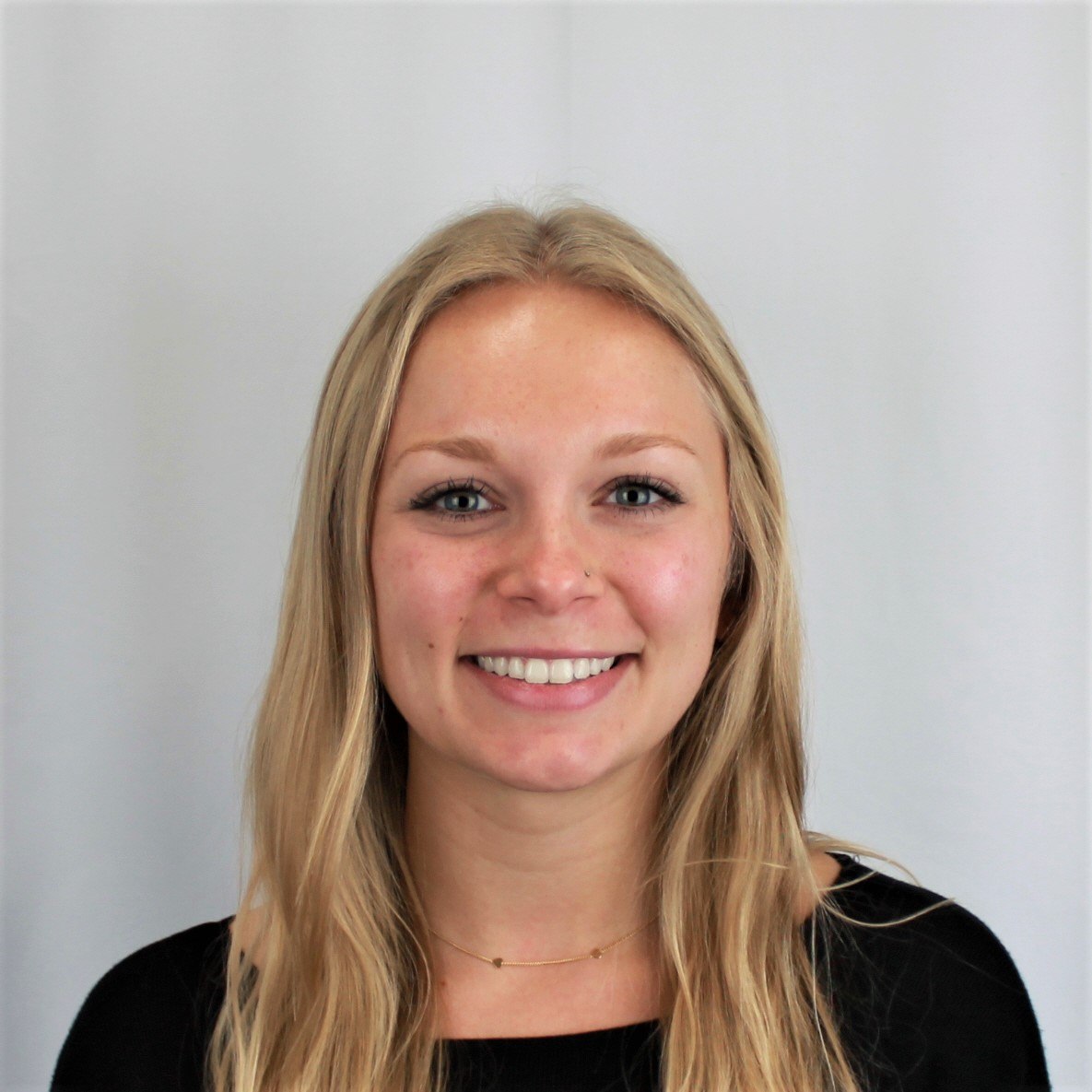
Danielle Siwek
Strategic Planner
Emerson’s Measurement Solutions
Can you introduce your role at Emerson and describe what you do within the organisation?
I work as a Strategic Planner within Emerson’s Measurement Solutions business group. My background is in human resources, and most of my career has focused on helping organisations manage growth, change, and workforce planning in a practical way.
My role sits between business strategy and people strategy. I work on organisational planning, team structure, workforce needs, and long-term operational alignment. A large part of the job is making sure the business is prepared for future changes rather than reacting to them after the fact. I started my career in more operational HR roles, so I still approach strategy from a practical perspective. I focus on systems that can actually work day to day.
What has your career progression looked like over time?
I started as an HR intern at Village Automotive Group while I was finishing university. That role became a full-time HR generalist position. I supported multiple locations and handled a wide range of employee and operational issues.
In 2019, I moved to Open Systems International, or OSI. That was a major turning point because the company went through acquisition activity shortly after I joined. Emerson acquired the business in 2021. During that period, I moved from HR generalist into supervisor and then manager roles.
In 2022, the business transitioned to AspenTech, where I became an HR Business Partner. That role was more strategic. I worked closely with leadership teams on organisational planning, workforce alignment, and employee development.
When Emerson re-acquired the business in 2025, I moved into a Principal HRBP role. In early 2026, I transitioned into my current strategic planning role.
What industries and business environments have shaped your experience the most?
Most of my experience has been in operational and technology-focused business environments. I’ve worked through acquisitions, integrations, restructures, and periods of rapid growth.
That kind of environment teaches you to stay flexible and communicate clearly. Priorities change quickly. Teams change quickly. You need systems that can handle uncertainty without creating confusion.
I’ve also worked across different business cultures, from automotive operations early in my career to larger global organisations later on. That range has helped me understand how leadership decisions affect employees at different levels of a business.
What problems are you usually brought in to help solve?
Most of the work centres around organisational clarity. That can mean workforce planning, leadership alignment, role structure, succession planning, or helping teams adapt during periods of change.
A lot of organisations struggle when growth outpaces structure. Roles become unclear. Communication slows down. Teams operate reactively instead of strategically. I spend a lot of time helping leaders simplify that.
The goal is usually not dramatic transformation. It’s creating systems that are sustainable and repeatable.
How do you stay ahead in a field where organisations are constantly changing?
I focus heavily on observation and pattern recognition. Most trends are discussed publicly long after they start affecting teams operationally. I pay attention to how people are working, where communication breaks down, and where leaders are spending time.
I also stay close to the business side of operations. HR can’t operate separately from business realities. You need to understand financial pressure, growth targets, staffing constraints, and organisational priorities. That context matters more than following trends online.
How do you measure whether your work is effective?
A lot of the success metrics are operational.
Are teams structured clearly? Are leaders aligned? Is turnover stabilising? Are hiring plans realistic? Are managers spending less time reacting to preventable issues?
I also look at long-term stability. Good planning should reduce friction over time. Some of the work is difficult to measure immediately because strategic planning is preventative by nature. If things are running smoothly, it often means the planning process is working.
How do you support teams after major organisational changes?
Consistency matters most after change.
People usually do not need constant messaging. They need clarity, predictability, and follow-through. I focus on communication cadence, leadership visibility, and practical next steps.
I also try to make sure leaders stay accessible during transition periods. A lot of uncertainty comes from lack of communication rather than the actual change itself. The operational side matters too. Reporting structures, role expectations, and decision-making processes need to be clearly defined early.
Have you learned anything important from working through acquisitions and restructures?
Yes. Change management is often underestimated.
Most organisations focus heavily on systems and timelines during acquisitions. The people side sometimes becomes secondary until problems appear. I learned that employees adapt better when leadership communicates consistently and acknowledges uncertainty honestly. You do not need to have every answer immediately. But you do need transparency. I also learned that organisational trust is built through small actions repeated consistently over time.
How do you approach leadership today compared to earlier in your career?
Earlier in my career, I focused heavily on execution and responsiveness. I wanted to solve problems quickly. Over time, I became more focused on systems and long-term sustainability. Solving one issue is helpful, but preventing the same issue from repeating is more valuable. I also communicate more directly now. Clear expectations reduce confusion and help teams operate more effectively. My leadership style is fairly calm and structured. I try to create stability during periods where businesses are moving quickly.
What role does personal development play in your work?
It plays a significant role. I’m currently completing a 300-hour yoga teacher training. For me, that connects directly to leadership and decision-making. It improves focus, stress management, and consistency.
A lot of strategic work requires patience and perspective. You cannot operate effectively if you are constantly reactive. I also spend time volunteering and supporting organisations like the Red Cross, Soles 4 Souls, and Bridging. Those experiences help keep my perspective balanced outside of corporate environments.
What areas of workplace strategy are you most interested in moving forward?
I’m interested in how organisations build adaptability without creating instability. A lot of businesses are trying to move faster, but speed without structure creates burnout and confusion. I think the next phase of workforce strategy will focus more on sustainable operations, clearer communication, and long-term organisational resilience.
I’m also interested in how strategic planning evolves alongside technology and automation. Those tools are useful, but they still require thoughtful implementation and strong leadership structure around them.
What advice would you give to professionals building long-term careers in business operations or HR?
Focus on understanding how businesses actually function. A lot of people focus only on their department. The professionals who grow long term usually understand operations more broadly. They understand leadership priorities, communication flow, staffing realities, and organisational pressure points.
I would also say that adaptability matters more than having a perfectly planned career path. Most of the important opportunities in my career came during periods of change that I did not expect at the beginning.
More REVERB Interviews
- Onil Gunawardana — AI Product Leader
- Wade Lyons — CEO
- Matthew Riley — Founder & Operator
- Sir Patrick Bijou — Founder and Chairman
- Sam Kazran — Executive Manager
- Ben Walderman — Entrepreneur | Business Consultant
- Lee Lorenzen — Founder
- Linda Ellard — Advanced Practice Registered Nurse & Clinical Nurse Specialist