
David Ferrera
CEO
RC Medical
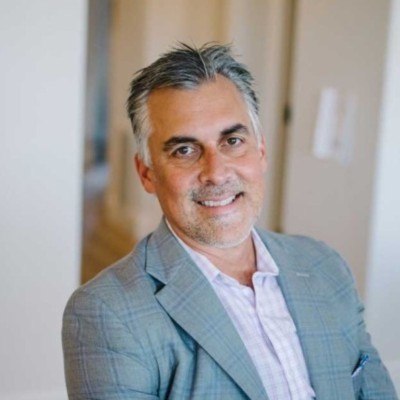
Please introduce RC Medical and Sonorous Neuro and describe your role in each organization.
I am the CEO of RC Medical and the CEO of Sonorous Neuro. RC Medical is a venture studio focused on interventional radiology and neurovascular devices. We cofound, fund, design, develop, and commercialize products in partnership with physician-entrepreneurs. Single Pass, Infinity Neuro and Sonorous Neuro are the companies formed out of that model. Infinity Neuro and Sonorous Neuro are focused on advancing neurovascular care.
At RC Medical, my role is to evaluate opportunities, structure ventures, build teams, and guide products from concept through regulatory clearance and commercialization. At Sonorous and Infinity, I am responsible for strategy, capital allocation, product development oversight, and board leadership. I stay close to engineering, clinical feedback, and investor alignment.
What is RC Medical’s core business model?
We operate as a venture studio. That means we co-found companies with physicians who identify real clinical problems inside the interventional suite.
We use a hybrid structure. Core strategy, product architecture, and regulatory direction are led internally. Engineering, prototyping, testing, and certain manufacturing steps are often executed with specialized external partners. We build lean internal teams and scale resources as programs mature.
We typically retain meaningful ownership in each new company and help recruit management once the product reaches defined milestones.
How does your model differ from traditional medical device startups?
Most startups begin with a single idea and build a company around it. We build a repeatable system for turning physician insight into product companies.
We focus on defined clinical needs. We validate early. We structure development in stages. We control burn rate. We align incentives between physicians, engineers, and capital.
I have taken multiple companies through acquisition. That experience informs how we design products and corporate structures from day one. We think about regulatory, reimbursement, manufacturing scale, and strategic fit early, not late.
What sectors do you primarily serve, and how has that focus evolved?
Our primary focus is interventional radiology and neurovascular medicine. That includes devices used in hemorrhagic and ischemic stroke, thrombectomy systems, catheters, and related tools.
Earlier in my career, I worked across broader endovascular and cardiovascular segments at companies like Boston Scientific, Micrus, and Microvention. Over time, my focus narrowed to stroke and neurovascular care because the clinical need is clear and the technical complexity suits my background in device engineering.
What solutions are physicians and partners most often seeking?
They usually come to us with a recurring problem. Something that slows down a procedure. Something that adds risk. Something that lacks precision.
We look for tools that simplify workflow, improve access, reduce procedure time, or increase clinical confidence. In stroke care, minutes matter. Devices that improve speed and reliability are always in demand.
We do not chase incremental features. We look for functional improvement.
How do you stay ahead of industry shifts when information moves quickly?
I stay close to physicians. I spend time in labs. I review clinical data. I attend focused scientific meetings rather than broad conferences.
Regulatory guidance, reimbursement trends, and acquisition activity also matter. After nearly 30 years in this field, pattern recognition helps. You begin to see where capital is flowing and where clinical evidence is building.
I do not rely on headlines. I rely on conversations and data.
Do you see repeat partnerships, and what drives that loyalty?
Yes. Many physicians and investors have worked with me more than once.
Trust drives repeat collaboration. We are transparent about risk, timelines, and capital needs. We communicate frequently. We define decision gates. We do not overpromise.
People return because we execute and we close the loop, whether that means commercialization or acquisition.
How do you measure and ensure strong outcomes for stakeholders?
For products, we track defined development milestones, regulatory submissions, bench and animal testing data, and clinical endpoints.
For investors, we track capital efficiency, milestone achievement, and exit readiness.
For physician partners, we measure whether the device solves the intended clinical problem without adding complexity.
What post-development support do you provide once a product is commercialized?
We remain involved through scale-up. That includes manufacturing oversight, quality systems, distribution partnerships, and potential strategic transactions.
In some cases, we transition leadership as a company grows. In others, I stay active as Chairman or board member.
How are your ventures funded and structured financially?
Funding is milestone-based. Early capital supports feasibility and prototyping. Later rounds support regulatory studies and commercialization.
We structure equity to align founders, physicians, and investors. Exact pricing varies by company and stage. I do not disclose specific figures publicly.
Have you turned down opportunities? What is your minimum fit?
Yes. We decline projects that lack a clearly defined clinical need or a realistic regulatory path.
Minimum fit requires physician validation, technical feasibility, and a defined market opportunity. If those elements are not present, we pass.
What key challenges have you faced in recent years?
Regulatory complexity has increased. Capital markets have tightened. Strategic buyers are more selective.
We respond by tightening early validation, controlling burn rate, and designing products with strong clinical differentiation. Discipline matters more now than ever.
How do you foster innovation inside your organizations?
We create structured freedom. Physicians define problems. Engineers explore solutions within constraints.
We prototype early. We test often. We document rigorously.
I encourage direct feedback and rapid iteration. Innovation without discipline fails in medical devices.
What role does culture play in your companies?
Culture is built on accountability and humility. We learn from mistakes. We do not hide them.
Medical device development is complex. Teams must communicate clearly and respect expertise across disciplines.
Where do you see your work in the next 5 to 10 years?
I see RC Medical continuing to launch focused device companies with disciplined structures.
I see Infinity Neuro and Sonorous Neuro advancing meaningful tools in neurovascular care.
The long-term goal is not volume. It is impact. Fewer companies, built well.
How has your leadership style evolved?
Early in my career, I focused heavily on technical execution. Over time, I learned that alignment and communication matter just as much as engineering.
Today, I prioritize clarity. Clear expectations. Clear milestones. Clear accountability.
What technologies or shifts are you most focused on now?
I am focused on devices that improve stroke intervention efficiency and precision. I also watch imaging integration and data-informed procedural guidance.
Technology must translate into workflow improvement. If it does not change practice, it does not matter.
What guidance would you offer to other founders building in regulated industries?
Respect the process. Regulatory science is not optional.
Validate early. Control burn rate. Surround yourself with people who have taken products through approval and acquisition.
One lesson from my career is simple: big ideas succeed when execution is disciplined. Innovation is important. Translation is everything.