
Donald Deibler
Business Manager
All Stars Ice Cream & Café Bakery
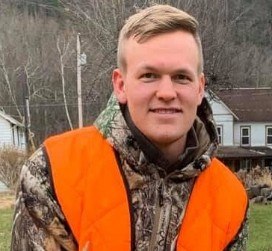
Please introduce your businesses and describe your role within them.
I work as the Business Manager of All Stars Ice Cream & Café Bakery in Pennsylvania, and I also play a major operational role behind the scenes at Dead Horse Beer & Burritos, which my wife owns. My role is very hands-on. I help manage operations, support staff, solve day-to-day problems, and make sure the customer experience stays consistent. In small business, titles only tell part of the story. Most days, I’m involved in multiple parts of the operation at once.
What is your business model, and how do your operations run day to day?
Our businesses run with in-house teams. We keep operations close because consistency matters in food service and hospitality. We rely on direct communication and people who understand the standards we expect. I stay involved in the daily workflow instead of managing from a distance. That helps us move quickly when something needs attention.
How do you separate your businesses from competitors in a crowded market?
I think the biggest difference is that we stay involved at every level. Customers can tell when owners care about details. We focus on consistency, customer service, and creating an environment people want to come back to. A lot of businesses focus heavily on marketing. We spend more time making sure the experience actually matches expectations.
What industries do you work in, and how has that focus changed over time?
My work has mainly been in hospitality and food service. Over time, my focus shifted from simply helping operate businesses to helping build systems and improve long-term operations. Early on, I was learning every position and understanding how businesses function day to day. Now I spend more time thinking about efficiency, staffing, customer satisfaction, and growth.
What are the most important parts of your business operations?
Customer experience is always the priority. If customers are unhappy, nothing else matters. We focus heavily on consistency, communication, cleanliness, and making sure the team understands expectations. A good operation depends on small details being handled correctly every day.
How do you stay ahead in your industry when trends change quickly?
I pay attention to customers more than trends. Trends change constantly, but customer expectations usually stay pretty consistent. People want good service, quality products, and reliability. I also stay involved in daily operations because you learn a lot by seeing problems in real time instead of reading reports after the fact.
Do you see repeat customers, and what drives that loyalty?
Yes. Repeat customers are extremely important for us. Loyalty comes from consistency and trust. People come back when they know what to expect. That means keeping standards steady, treating customers well, and making sure issues get resolved quickly when they happen.
How do you measure customer satisfaction?
A lot of it comes from direct interaction. We pay attention to repeat business, customer feedback, online reviews, and in-person responses. In a small business, you usually know pretty quickly if something is working or not. I also believe the atmosphere matters. Customers notice how employees interact and whether operations feel organized.
What kind of support or follow-up do you provide after customer issues arise?
If there’s a problem, we address it directly. Most customers just want to know someone listened and took the issue seriously. We try to solve problems quickly and fairly. Communication matters more than people realize.
How do you approach pricing and balancing value?
Our goal is to provide value without lowering standards. Costs have risen across the hospitality industry, so balancing affordability and quality remains a constant challenge. We focus on maintaining quality while keeping pricing realistic for the communities we serve.
Have you turned down opportunities based on fit or operational concerns?
Yes. Sometimes opportunities look good on paper but create problems operationally. If something would lower standards, create unnecessary strain on the team, or move us away from our long-term goals, we will pass on it. Growth only works if the foundation stays strong.
What major challenges have you faced in recent years?
Staffing and operational consistency have probably been the biggest challenges. The hospitality industry has changed a lot over the last few years. Customer expectations are high, but staffing has become more difficult across the industry. We handled it by staying flexible, staying involved, and building a team culture where people understand the importance of the work.
How do you adapt to change and improve operations over time?
I believe improvement comes from paying attention. Small operational issues usually become bigger problems if you ignore them. I try to stay open to feedback from employees and customers because they often see problems before management does. A business has to keep adjusting if it wants to stay relevant.
What role does company culture play in your success?
Culture affects everything. Employees work better when expectations are clear, and leadership stays involved. I try to lead by example rather than ask people to do things I wouldn’t do myself. In a small business, attitude spreads quickly, both positively and negatively.
Where do you see your businesses in the future?
I want to continue building businesses that are stable, respected, and connected to the community. Long term, I care more about consistency and reputation than rapid expansion. I’d rather build something sustainable than grow too fast and lose quality.
How has your leadership style changed over time?
Earlier in my career, I focused heavily on solving every problem myself. Over time, I learned that strong leadership also means building systems and trusting people. I still stay very hands-on, but I’ve become better at delegation and communication.
What trends or changes in your industry interest you most right now?
I’m interested in how businesses are improving operational efficiency while still keeping a personal connection with customers. Technology can help with organization and workflow, but hospitality is still a people business. That part will never change.
What advice would you give to people building their own business careers?
Focus on consistency before growth. A lot of people chase expansion too early. Learn the operations first. Understand the work at every level. Also, stay involved. You can’t lead effectively if you don’t understand what your team deals with every day.
One lesson that has stayed with me is simple: small details become big results over time. Most success comes from doing basic things well, every single day.