
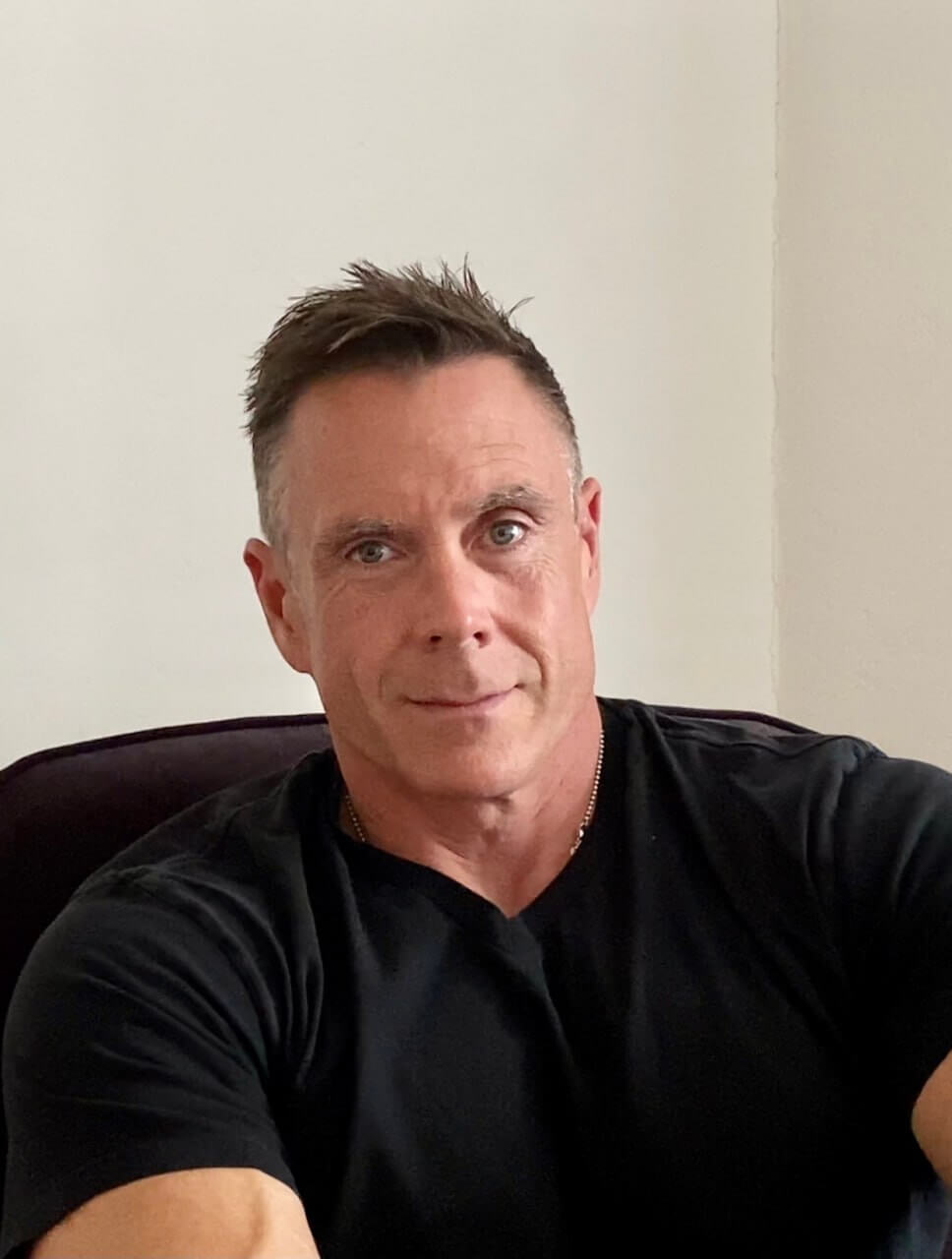
Dr. Robert McGrath
CEO & Founder
The Barbell Doctor
Please introduce your organization and describe the role you play in shaping its vision, culture, and long-term direction.
I run The Barbell Doctor and Integrated Health Consultants NJ. Both are built around the same core objective, which is helping men over 40 restore performance in a way that is sustainable. Most of our clients are not beginners. They are professionals, business owners, or former athletes who have a baseline, but something has broken down.
My role is to define the system and protect it. The vision is not complicated. Strength, energy, hormonal alignment, and long-term function. The challenge is execution. Culture is built around clarity and accountability. We remove noise and focus on what drives results. If something does not improve outcomes, it does not stay in the system.
How do you build teams and systems to execute that vision at a high level?
The system has to be clear before the team expands. If you scale confusion, you get inconsistency. So we built the process first.
Every client goes through the same structure. Intake, baseline assessment, program design, execution, and review. That includes training, bloodwork where appropriate, nutrition, and recovery. Each phase has defined checkpoints.
I keep core functions in-house. Programming, client strategy, and clinical direction stay tight. That protects quality. External partnerships are used when they add precision, not volume. The goal is not to grow fast. The goal is to grow without breaking the system.
From a leadership perspective, how do you ensure your organization stands out in a crowded market?
Most of the industry sells information or motivation. That is not where results come from.
We focus on structure and adherence. The differentiator is not what we know. It is how we apply it consistently across different clients with different constraints.
A 25-year-old with no responsibilities can follow almost any program and improve. A 45-year-old with a business, a family, and high stress cannot. That is the gap we solve.
We build systems that work under pressure, not in ideal conditions. That is where most programs fail.
What problems do clients most urgently come to you with, and how do you determine what you solve?
The entry point is usually the same. They feel off but cannot explain why. Energy is inconsistent. Recovery is poor. Strength is declining. Body composition is moving in the wrong direction.
The mistake they have made is trying to fix those issues in isolation.
We look at the system. Training load, sleep, stress, hormones, nutrition. If the problem is systemic, we take it on. If it is outside our scope, we are direct about that.
Clarity early prevents problems later.
How do you stay ahead of industry shifts when information moves quickly?
I separate signal from noise.
Most information cycles quickly. New protocols, new treatments, new trends. The fundamentals do not change at the same pace.
I stay current with research, but I filter everything through application. Does it improve outcomes in a measurable way? Does it integrate into an existing system?
If it does, we test it in a controlled way. If not, it is ignored.
Being early is not valuable if it is not effective.
What does long-term trust with clients look like in your model?
Trust is built through consistency and transparency.
Clients know what we track, why we track it, and how decisions are made. We do not guess. We review data. Strength progression, body composition trends, recovery markers, and in some cases, lab values.
There is a cadence to the process. Weekly or bi-weekly check-ins, structured adjustments, and clear communication.
Trust comes from predictability. When the system works repeatedly, confidence builds.
How do you define success for your clients, and how do you ensure it is delivered consistently?
Success is measurable.
Strength should increase over time. Body composition should improve. Energy should stabilize. Recovery should become predictable.
We track those variables and adjust based on the data. If something is not moving, we do not wait. We change the input.
Consistency comes from adherence to the system, not from motivation. That is why structure matters.
What responsibility do you believe you have after a program is delivered?
Delivery is not the product. Execution is.
A plan without follow-through does not create results. So our responsibility extends into accountability, adjustment, and ongoing support.
We monitor compliance. We identify breakdown points. We correct them quickly.
The goal is not to give information. The goal is to drive behavior.
Have you ever turned down opportunities that looked attractive on paper? What guided that decision?
Yes, and that becomes more important over time.
If an opportunity brings in the wrong type of client or requires us to compromise the system, we pass.
Short-term growth that creates long-term inconsistency is not worth it.
Every decision has to align with the model. If it does not, it becomes a distraction.
What have been the most meaningful challenges you’ve faced as a leader?
One of the biggest was learning to stop trying to solve every problem myself.
Early on, I spent too much time answering questions and fixing issues for others. That created dependency and slowed everything down.
A mentor had me change that approach. Now, problems come with proposed solutions. That forces ownership and improves decision-making across the team.
It also protects my time so I can focus on higher-level strategy.
How do you create space for innovation while maintaining discipline?
Innovation happens within constraints.
We do not change multiple variables at once. We test one change, track the outcome, and decide based on results.
That keeps the system stable while allowing improvement.
Without structure, innovation turns into inconsistency.
Looking ahead 5–10 years, what impact do you want your organization to have?
The long-term goal is scale without dilution.
That means building a model that can deliver consistent outcomes across a larger population without losing precision.
That includes expansion in longevity and medical aesthetics, but always tied back to performance and function.
Growth is not the objective on its own. Controlled growth is.
What advice would you give to emerging leaders?
Do not scale until your system works.
Most people try to grow before they have consistency. That creates problems that compound over time.
Build something that produces results repeatedly. Then expand.
The lesson that changed everything for me is simple.
Effort is not enough. Direction is what makes effort effective.