
Eric Ayrault
Teacher
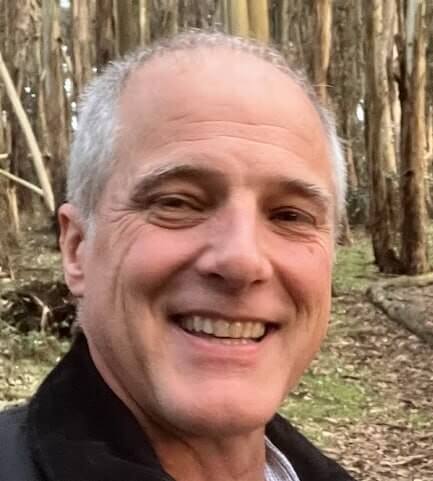
Please introduce your education and communication work and describe your role within it.
I’ve spent more than 30 years working in education across the United States and internationally. My background includes teaching in Africa, Europe, and North America, as well as work in mentorship, communication, and student development. I’ve worked in both public and private school settings.
My role has always centered on helping students build focus, communication skills, and confidence. More recently, I’ve also become focused on discussing how technology, especially cell phones, social media, and gaming, affects learning environments and student behavior.
I see my work as a combination of educator, mentor, and communicator. The common thread is helping people think clearly and grow.
What is your working model when it comes to education, mentorship, and outreach?
My approach is direct and relationship-based. I work closely with students and communities rather than relying on large systems or layered administration.
Most of my work has been hands-on. Small groups, classroom instruction, mentorship, and one-on-one communication have always been at its core. I also value experiential learning. Outdoor education, athletics, and real-world problem solving can teach students things that traditional classrooms sometimes miss.
I’ve learned that consistency matters more than complexity. Students respond best when expectations are clear, and communication is honest.
How do you differentiate yourself in a crowded education landscape?
I bring a broad perspective because I’ve worked in many different environments. Teaching internationally changes how you look at education. You quickly see that culture, structure, and communication all affect learning.
I also focus heavily on communication itself. My graduate work in speech communication shaped how I teach and mentor. Many educational problems are actually communication problems.
I’m also willing to talk openly about technology and distraction. Many people recognize the problem, but fewer want to address it directly. I think structure and boundaries are becoming increasingly important.
What areas have you focused on most throughout your career?
The core focus has always been student development. That includes writing, communication, critical thinking, and engagement.
Over time, I became increasingly interested in how digital habits affect attention and behavior. Students today are dealing with challenges that simply did not exist 20 years ago. Phones and social media create constant interruptions. That changes how students learn, interact, and manage stress.
I’ve also spent time working in outdoor education and mentorship programs because those environments often help students develop confidence in different ways.
What topics do people most often seek your perspective on today?
The biggest topic is technology and attention. Parents and educators want to understand how phones, gaming, and social media affect students.
I’m also asked about communication, student motivation, and learning environments. Many people are trying to figure out how to create a better structure for young people without completely disconnecting them from technology.
The conversation usually comes down to balance. Technology itself is not the problem. Constant access and lack of boundaries are the problems.
How do you stay current in a field that changes quickly?
I pay attention to what students are actually doing, not just what reports say. Spending years in classrooms gives you a practical view that data alone cannot provide.
I also read widely and stay engaged with educators and communities. But honestly, observation matters most. You can see changes happening in real time if you spend enough time around students.
The pace of change is faster now than it used to be. Attention spans are shorter. Communication is more fragmented. That requires educators to adapt.
Do relationships and long-term trust play a role in your work?
Absolutely. Education is relationship-driven. Students respond when they believe someone is invested in their growth.
Over the years, I’ve stayed connected with many former students and families. Trust builds slowly. Consistency matters. People remember whether you treated them fairly and communicated clearly.
That applies in classrooms, mentorship, and community work.
How do you measure success in your work?
A lot of it is qualitative. You can see it in engagement, communication, and confidence.
If students are participating more, thinking independently, and handling responsibility better, that usually tells you things are working.
Long-term outcomes matter too. Sometimes the impact of teaching is not obvious until years later, when students reconnect or describe how something influenced them.
What kind of support or guidance do you provide outside formal instruction?
Mentorship has always been important to me. Some of the most meaningful conversations happen outside traditional classroom settings.
That might involve helping students with communication skills, confidence, decision-making, or simply creating structure and accountability.
I’ve also volunteered in community outreach programs and worked with students in outdoor settings, which often creates a different kind of connection.
Have you become more selective about the opportunities you pursue?
Yes. At this stage, I’m more focused on fit and impact than volume.
I’m most interested in work where communication, mentorship, and practical experience are valued. I prefer environments where there is openness to honest discussion of the challenges students face today.
A strong fit matters more than scale.
What challenges has education faced in recent years?
Attention and distraction are major issues. Students are constantly absorbing information, but that does not always translate into focus or understanding.
Social media also creates pressure that can affect confidence and mental well-being. Many students struggle to disconnect.
At the same time, educators are balancing academic expectations with increasingly complex emotional and behavioral challenges.
How do you adapt to changes in education and technology?
I try to stay practical. Every new technology arrives with promises, but the real question is whether it improves learning and communication.
I believe structure is becoming more important, not less. Students need environments where focus is protected.
The goal is not to reject technology. The goal is to use it intentionally instead of letting it dominate attention.
What role does culture play in education and mentorship?
Culture is foundational. Students respond differently depending on the environment around them.
Clear expectations, consistency, and respect matter. If people feel supported and accountable at the same time, growth usually follows.
That applies in classrooms, teams, and communities.
What do you want the next phase of your work to look like?
I want to continue contributing in meaningful ways. That could involve education, mentorship, communication, or broader conversations about technology and student development.
I still enjoy helping people learn and improve. That has not changed.
I also think there is a growing demand for practical voices in education. People want honest discussions about focus, attention, and communication without a lot of jargon or hype.
How has your leadership style evolved over time?
Earlier in my career, I probably focused more on instruction itself. Over time, I became more focused on listening and communication.
Experience teaches you that every student responds differently. Leadership is less about authority and more about clarity, consistency, and trust.
I’ve also learned that people respond better when expectations are straightforward.
What trends are you paying closest attention to right now?
The biggest trend is the relationship between technology and attention. That affects everything else.
I’m also interested in how communication is changing. Students today consume enormous amounts of information, but many still struggle with direct communication and sustained focus.
Those skills are becoming more valuable, not less.
What advice would you give to people entering education or mentorship roles today?
Focus on communication first. Students can tell quickly whether someone is authentic and engaged.
I would also say not to underestimate the importance of structure. Young people need consistency, even if they sometimes resist it.
Finally, stay adaptable. Education changes constantly. The people who last are the ones who continue to learn about themselves.