
Harpinder Brar
Owner and Operator
Can you introduce your businesses and explain your role in day-to-day operations?
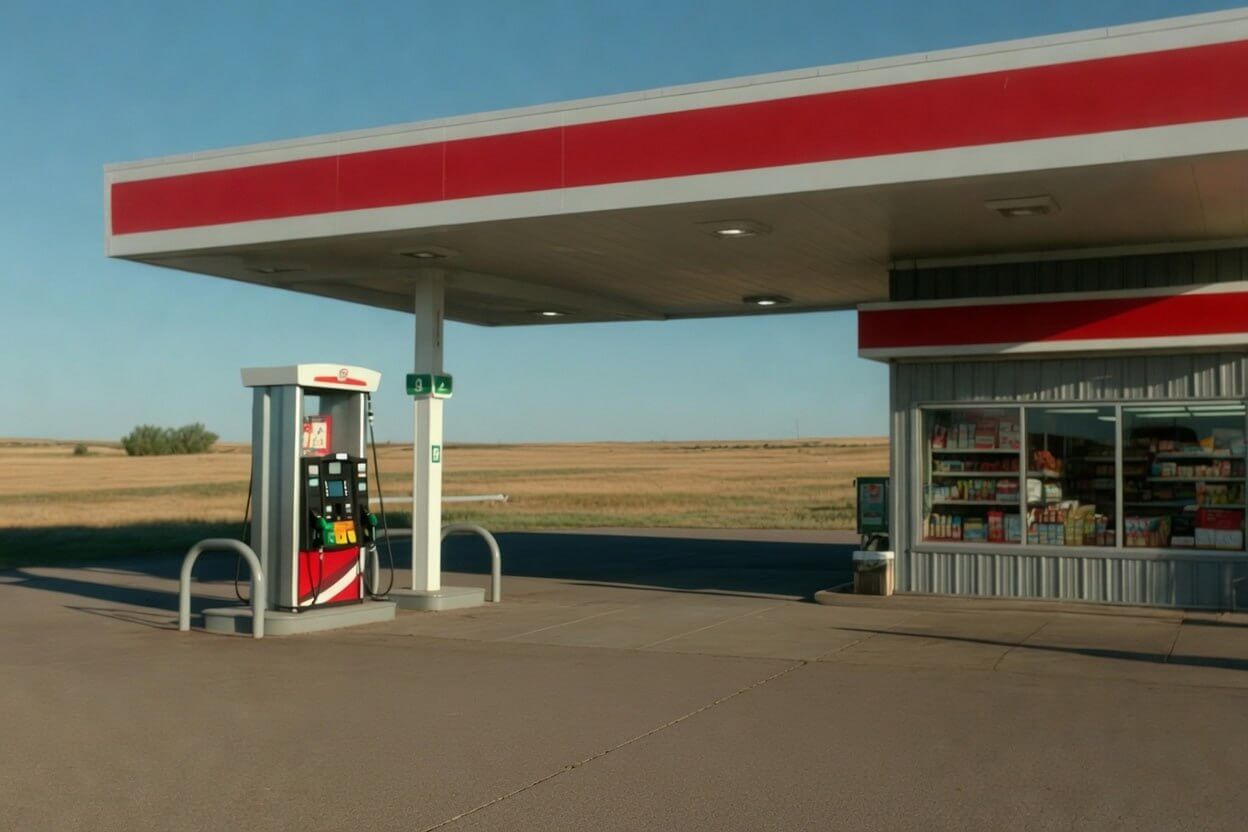
I own and operate a gas station, a grocery store, and other business ventures across Saskatchewan and Manitoba. My role is hands-on. I oversee operations, staff, inventory, customer service, and general business performance. I stay involved in the daily flow because these types of businesses depend on consistency. If something is not working properly, it affects everything else quickly.
How are your businesses structured operationally?
Most of the work is handled internally. I rely on in-house staff for daily operations and customer-facing roles. We also work with outside suppliers and service providers where needed. It is a practical structure. You need reliable people on-site, but you also need dependable outside relationships for inventory, maintenance, and logistics.
What separates your approach from other businesses in the same space?
I focus on reliability and standards. A lot of customers just want consistency. They want a clean store, products in stock, fair treatment, and dependable service. I pay attention to those details every day. I do not try to overcomplicate the business model.
Who do your businesses primarily serve today?
We serve local communities in Saskatchewan and Manitoba. A large part of the customer base is made up of working people, families, travellers, and repeat customers who rely on convenience and consistency. Over time, I have learned that trust matters more than trying to appeal to everyone.
What are the services customers rely on most?
The gas station and grocery operations are essential-service businesses. Customers rely on fuel, convenience items, groceries, and basic daily needs. Speed and organisation matter. If people are stopping on their way to work or home, they expect things to run smoothly.
How do you stay aware of changes in retail and customer behaviour?
I pay attention to patterns directly inside the business. I watch customer habits, traffic flow, product demand, and staffing challenges. A lot of useful information comes from being present every day. Retail changes quickly, so you cannot rely only on old routines.
Do you see a high percentage of repeat customers?
Yes. A large part of the business comes from repeat customers. That usually comes down to trust and consistency. People come back when they know what to expect. Clean stores, reliable service, and respectful interactions matter more than most people realise.
How do you measure customer satisfaction in practical terms?
I pay attention to repeat visits, complaints, staff feedback, and the overall atmosphere inside the business. If customers stop coming regularly, something is wrong. If staff morale drops, customers notice that too. A business environment tells you a lot if you are paying attention.
How do you handle ongoing customer needs or operational issues?
I try to address problems quickly and directly. In these businesses, delays create larger issues. If customers have concerns, we deal with them immediately when possible. Operationally, I believe in solving problems early instead of waiting for them to grow.
How do pricing and operational costs affect your decision-making?
Retail businesses operate on tight margins, especially in fuel and grocery operations. Pricing decisions have to stay practical and competitive. I focus more on sustainability and consistency than short-term reactions. Exact pricing structures depend on suppliers, operating costs, and market conditions.
How do you balance affordability with maintaining standards?
You have to stay disciplined with operations. Waste, disorganisation, and inconsistency create unnecessary costs. I focus on keeping systems organised so the business can stay efficient while still maintaining quality and service standards.
Have you ever had to step away from opportunities that were not the right fit?
Yes. Not every opportunity makes sense long term. If something creates operational strain without stability, it usually is not worth forcing. I look at whether something can realistically be managed properly before moving forward.
What have been the biggest business challenges in recent years?
Like many operators, we have dealt with rising costs, staffing pressures, and changing customer habits. Supply issues and operational costs have become more unpredictable. The way I handle it is by staying involved and adjusting quickly when needed.
How do you adapt without losing operational stability?
I keep things structured. I believe in systems and routines. Even small operational habits matter over time. If you stay organised, it becomes easier to adapt when conditions change.
How important is company culture in your businesses?
It matters a lot. I expect professionalism and respect. I try to be firm but fair with staff. Clear communication is important because confusion creates problems quickly in fast-moving retail environments.
How do you maintain that culture consistently?
By being present and setting expectations clearly. Staff usually respond well when standards are consistent. I do not believe in constantly changing direction. Stability helps people perform better.
What are your long-term goals for your businesses?
My focus is long-term stability and responsible growth. I want the businesses to continue operating efficiently and serving the communities around them. I am more interested in building something dependable than expanding too quickly.
How has your leadership style changed over time?
I have become more practical and direct. Earlier on, I probably tried to handle too much at once. Over time, I learned that structure, communication, and consistency solve more problems than reacting emotionally.
What trends or changes are you paying attention to right now?
Customer expectations around convenience and efficiency continue to grow. People expect faster service and better organisation. Operational technology is improving too, especially around inventory and payment systems, so businesses have to stay adaptable.
What advice would you give to someone building a business today?
Be realistic about the work involved. A business needs attention every day. Consistency matters more than excitement. One lesson I have learned is that steady discipline usually outperforms short-term intensity. If you keep showing up and handling responsibilities properly, the business becomes stronger over time.