
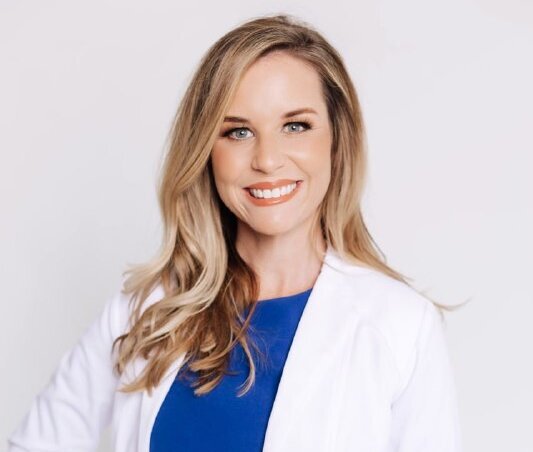
Hope Jacoby
Owner and Operator
Texas Wound Pros
Please introduce your practice and describe the role you play in shaping its vision, culture, and long-term direction.
I am the owner and operator of Texas Wound Pros and Foot and Ankle Pros in the Dallas–Fort Worth area. I lead both the clinical and operational sides of the practice. My focus is on advanced wound care and foot and ankle surgery. The vision is simple: restore mobility and prevent complications in the lower extremity. I shape the culture through clinical standards and patient care expectations. We operate with a structured approach. Every case starts with evaluation, diagnosis, and a clear treatment path. The long-term direction is centered on quality outcomes, strong systems, and consistent care across locations.
How do you think about building teams and systems to deliver care effectively—what principles guide your decision to keep work in-house, partner externally, or use a hybrid approach?
I keep core medical services in-house. Surgical care, wound management, and patient evaluation require continuity. That level of care works best when the clinical team is aligned. For specialized needs, we collaborate with external partners. That can include imaging, vascular specialists, or hospital teams. The guiding principle is patient outcome. If coordination improves care, we build the relationship. If a process requires control and consistency, we keep it inside the practice.
From a leadership perspective, how do you ensure your practice stands out in a competitive healthcare environment?
Consistency is the differentiator. Many practices offer podiatric services. Our focus is on complex cases, especially advanced wound care. We combine conservative care, surgical options, and regenerative approaches when appropriate. Patients often come to us when a condition has not resolved elsewhere. The operational focus is on thorough evaluation and a clear treatment plan. That approach builds trust.
Which patients or communities do you feel most responsible for serving today, and how has that focus evolved over time?
A large part of my patient population includes people dealing with chronic wounds, diabetic complications, or structural foot problems. These cases require careful management and long-term follow-up. Earlier in my career, the focus was broader surgical training. Over time, wound care became a central part of the practice. Chronic wounds can affect independence and quality of life. Helping prevent severe complications has become a major responsibility in my work.
What problems do patients most urgently come to you with, and how do you decide which cases your practice is best positioned to treat?
The most urgent cases involve non-healing wounds, infections, or severe foot pain that affects mobility. Many patients also seek second opinions. The decision process is clinical. We review imaging, medical history, and wound progression. If the case requires vascular intervention or another specialty, we coordinate with the appropriate provider. If surgical reconstruction or wound management is needed, we provide these services within the practice.
How do you stay ahead of changes in podiatry and wound care when medical knowledge evolves quickly?
The main tools are continuing education, professional associations, and case experience. Medicine changes constantly. Staying current requires reviewing research, attending conferences, and working closely with other specialists. I also evaluate new treatment approaches carefully. Evidence and patient outcomes guide those decisions.
What does long-term trust with patients look like to you, and how do you build it?
Trust develops through clarity and consistency. Patients need to understand what is happening and what the next step is. I explain the diagnosis, treatment options, and expected timeline. Follow-up is equally important. Chronic conditions require monitoring. When patients see steady progress and clear communication, trust grows naturally.
How do you define success for your patients, and how do you ensure your practice delivers it consistently?
Success is mobility and healing. A wound that closes. Pain that improves. A patient returning to normal activity. The practice maintains clinical protocols so care is consistent. Every case includes documentation, treatment plans, and follow-up visits. That structure helps maintain quality.
What responsibility do you believe physicians have after treatment is complete?
Care does not end when a procedure is finished. Follow-up and prevention are critical. Patients often need guidance on footwear, lifestyle changes, or long-term monitoring. Preventing recurrence is part of the responsibility.
How do you think about value and sustainability in running a medical practice?
The goal is to provide effective care while maintaining a stable operation. A practice requires staff, equipment, and systems to function. Sustainable operations allow the practice to continue serving patients long-term. That balance is part of responsible management.
How do you balance accessibility with maintaining a high standard of care?
Scheduling and patient selection are important. Some conditions require more time and resources. We focus on cases where specialized care is needed. At the same time, we maintain clear intake and evaluation processes so patients can access the care they require.
Have you ever declined a case that seemed attractive but did not align with your clinical priorities?
Yes. Not every case is appropriate for a specific practice. If a condition requires another specialty or setting, referring the patient is the appropriate course of action. Patient safety and proper treatment always come first.
What challenges have shaped the way you lead your practice?
Opening and operating a practice requires balancing medicine with business operations. Staffing, scheduling, and compliance all require attention. Those challenges reinforce the need for clear systems and communication.
How do you create space for innovation while maintaining clinical discipline?
Innovation is evaluated through evidence. New treatments or tools must show clear benefit. If they improve outcomes, we integrate them carefully. Discipline remains essential because patient safety comes first.
What role does culture play in performance inside a medical practice?
Culture shapes how the team interacts with patients and each other. Respect, professionalism, and reliability are core expectations. I model those behaviors daily.
Looking ahead 5–10 years, what impact do you want your practice to have?
The goal is continued improvement in wound care and surgical outcomes. If we can prevent complications and preserve mobility for more patients, that impact matters.
Which emerging medical developments interest you the most right now?
Regenerative medicine and advanced wound healing technologies are developing rapidly. They offer new options for complex cases.
What advice would you give to emerging medical leaders?
Focus on fundamentals first. Strong clinical training matters. Systems matter. Leadership grows from experience and responsibility. One lesson that shaped my approach is that consistency is more valuable than speed. Good systems produce good outcomes.