
Jeremy Packman
Vice Principal and Administrator on Special Assignment
Public school systems in California.
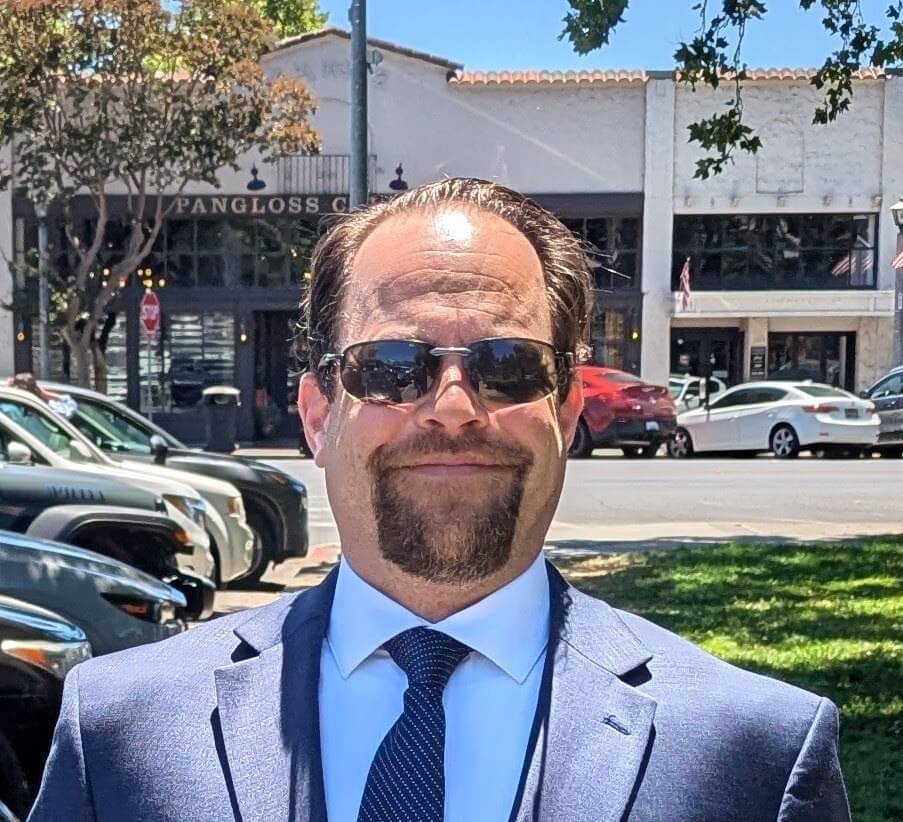
Please introduce your organization and describe the role you play in shaping its vision, culture, and long-term direction.
I work inside public school systems in California as a Vice Principal and Administrator on Special Assignment. Public education is not a private organization with a single founder. It is a system with shared governance, district oversight, and community accountability.
My role is to shape vision at the site level. That means clarifying priorities around student services, compliance, and instructional stability.
Culture is built through daily decisions. I reinforce predictability, transparency, and follow-through. Long-term direction comes down to one focus: to ensure students, especially those with high needs, receive aligned and legally sound support.
What do you think about building teams and systems to execute that vision?
Public schools are team-based by design. No administrator succeeds alone.
I build teams around clarity of role. Everyone should know their responsibility in an IEP process, discipline system, or academic intervention plan.
Systems come first. Compliance calendars. Service tracking tools. Clear meeting agendas. Written summaries after decisions.
If a task requires specialized expertise, such as a school psychologist evaluation or legal consultation, we use internal district experts. The goal is not outsourcing. The goal is alignment.
From a leadership perspective, how do you ensure your school community stands out in a crowded education landscape?
Public schools do not compete in the same way private firms do. Our responsibility is service, not market share.
We stand out through consistency.
Families notice when communication is clear. Teachers notice when expectations are stable. Students notice when systems are fair.
Standing out is not about branding. It is about reliability.
Which communities do you feel most responsible for serving today, and how has that focus evolved?
My strongest focus is on students who receive special education services and student support interventions.
Earlier in my career, I focused more broadly on instruction. I taught history for eight years.
As I moved into administration, I saw how fragile student services systems can be. That shifted my attention.
Students with high needs require precision. That is where I feel most responsible.
What problems do families and staff most urgently bring to you?
Families often bring concerns about whether their child’s services match what is written in an IEP.
The staff often bring other concerns, regarding caseload size, timeline pressure, student behaviors, and at times parent concerns that are hard to rectify.
I decide what to prioritize based on legal requirements and student impact. If a service gap affects a student directly, that moves to the top. As for staff concerns, my approach has and will always be to support them to ensure that their top focus is student growth and achievement.
As a leader, how do you stay ahead of industry shifts?
I focus on fundamentals.
Education policies shift. Initiatives rotate. But compliance timelines, documentation accuracy, and service alignment remain constant.
I review state guidance. I speak with district leaders. I reflect after major decisions.
Hindsight is common. Durable systems are rare. I focus on durability.
What does long-term trust look like in a public school setting?
Trust looks like families coming back year after year with fewer questions because systems are clear.
It looks like staff feel safe raising concerns early.
It looks like predictable communication during uncertain times.
Trust builds through consistency, not statements.
How do you define success for students and families?
Success is alignment.
If the IEP describes a service, the student receives that service.
If a family has a concern, it is addressed with documentation and clarity.
I hold teams accountable through monitoring tools and follow-up conversations. We track timelines. We confirm service delivery.
What responsibility do leaders have after a major initiative or decision?
Follow-through.
After an IEP meeting or system change, the responsibility shifts from planning to implementation.
I require written summaries and periodic audits. If we commit to something, we verify it happens.
How do you approach resource allocation and value alignment inside a public system?
In public education, pricing is not set by the site. Budgets are defined at the district and state levels.
Value alignment means using limited resources where they have the highest student impact.
I balance legal obligation, staffing capacity, and student need.
Fair value means services are delivered efficiently without compromising compliance.
Have you ever said no to an initiative that looked strong on paper?
Yes.
If a proposal exceeds staffing capacity or does not align with legal requirements, I do my best to work with district leaders to see how we can address our gaps, without adding additional strain.
Leadership requires understanding constraints. Education is mission-driven, but it is resource-bound.
What meaningful challenges have shaped your leadership?
Leading a middle school through COVID closures and reopening was the most complex operational period of my career.
Uncertainty was constant.
I learned that when uncertainty rises, communication must become more structured. Predictable updates. Clear timelines.
On a personal level, losing my brother to cancer reshaped my resilience. There is no operational solution for that. But it changed how I measure urgency and perspective.
How do you create space for innovation while maintaining discipline?
Innovation must fit inside a clear structure.
I allow room for improvement in workflows and communication systems.
But I do not experiment with the fundamentals of compliance. Those remain stable.
Discipline protects innovation from becoming chaos.
What role does culture play in performance?
Culture determines whether systems hold under stress.
I model calm communication. Direct feedback. Active listening.
Growth mindset is a hard thing to sell to people who are afraid of change. You have to meet people where they are, and find out what about a new initiative causes them to feel anxiety. Then, my job shift to motivating them to take small steps toward accepting different methods or pedagogy.
Looking ahead 5–10 years, what impact do you want to have?
I want to strengthen how schools manage student services and compliance systems.
Possibly through district leadership. Possibly through work connected to education technology.
The goal is the same: fewer service gaps. More clarity.
How has your leadership philosophy evolved?
Earlier in my career, I pushed change too quickly.
Now I listen longer. I incorporate shared ideas into the final plan.
Perseverance. Patience. Growth mindset.
Those are operating principles, not slogans.
Which emerging shifts excite you most?
Systems-level technology that improves service tracking and compliance visibility.
Tools that reduce manual documentation errors and increase transparency for families.
Technology should reduce friction, not add it.
What advice would you give emerging leaders?
Know the system before trying to fix it.
Build structure before scale.
Understand constraints.
One lesson that changed me: clarity reduces conflict. If people understand the framework, they can work within it. That insight reshaped how I lead.