
Joel Ney
Construction and Welding Professional
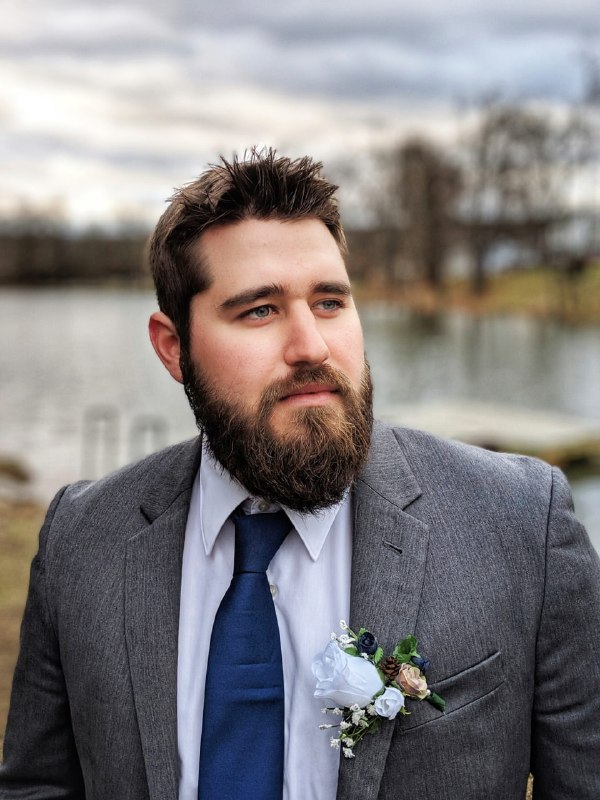
Can you introduce your background and describe the kind of work you do in construction and welding?
I work in construction, contracting, and welding. I started my career in construction with PKF III Construction and later expanded into welding while working with Great Coasters International. Most of my experience comes from hands-on work in the field. I learned by doing the work, listening to experienced people around me, and staying willing to improve every day.
My role has always been practical. I focus on getting the job done correctly, staying reliable, and helping projects move forward safely and efficiently. I take pride in being someone people can count on.
What is your approach to managing projects and day-to-day work?
I believe in keeping things simple and organized. I focus on one task at a time and try not to get distracted by uncertainty or outside pressure.
A lot of construction and welding work comes down to consistency. You need to show up prepared, communicate clearly, and pay attention to details. Small mistakes can create bigger problems later, so I try to stay focused on quality from the start.
I also believe in learning from the people around me. That was important early in my career, and it still matters now.
How do you separate yourself in a competitive skilled trades industry?
I think reliability matters more than anything else. There are a lot of skilled workers out there, but people remember the ones they can trust.
For me, success means having the people around me trust that I can get the job done and provide for my family. That mindset affects how I approach work every day.
I also try to keep learning. Construction and welding are always changing. New tools, new materials, and different methods come into the industry over time. If you stop learning, you fall behind pretty quickly.
What types of projects and industries have you worked in throughout your career?
Most of my experience has been in construction and welding. I have worked on hands-on projects that require problem-solving, teamwork, and attention to detail.
The work has evolved over time as I expanded my skills. I started in construction and later added welding experience, which gave me the ability to take on different types of responsibilities and projects.
I enjoy the practical side of the trades. I like building things, fixing problems, and seeing real results from the work.
What skills are most important for someone entering construction or welding today?
The biggest thing is having a hard-working attitude and being willing to learn. Many people want quick results, but skilled trades take time.
You also need patience. When I first started, I was new with limited experience. I had to work my way up slowly.
I overcame that by working hard and learning from anyone I possibly could. That process taught me a lot about humility and discipline.
Communication is important too. Construction projects involve teams, and you need to work well with other people to keep things moving safely and efficiently.
How do you stay current as the construction and welding industries change?
Most of it comes from staying involved in the work itself. You learn a lot by paying attention to experienced workers, new equipment, and evolving job-site practices.
I also think staying adaptable is important. Every project is different. Different crews work differently. Different job sites have different challenges.
You have to stay open to learning instead of assuming you already know everything.
Do you find that relationships and repeat opportunities are important in your line of work?
Absolutely. Many opportunities come from trust and reputation.
If people know you work hard, show up on time, and do quality work, they are more likely to want to work with you again. In skilled trades, your reputation follows you.
I try to stay dependable and consistent. That matters more to me than trying to impress people with talk.
How do you measure success in your career?
I measure success pretty simply. If I can look at my work and know I gave it my best effort, that matters to me.
As long as I believe in myself and my work, peer feedback is not very valuable to me. I focus more on whether the work was done correctly and whether I handled my responsibilities properly.
Providing for my family is also a big part of my success for me.
What challenges have you faced during your career, and how did you handle them?
The biggest challenge was starting with little experience and trying to prove myself.
Construction and welding can be tough industries when you are new. You have to earn trust. Nobody hands you respect automatically.
I handled that by staying patient, working hard, and asking questions whenever I had the chance to learn something.
Over time, people notice consistency. That helped me grow in my career.
How important is company culture and teamwork on job sites?
It matters a lot. You spend a lot of time working around the same people, often in difficult conditions.
A good team environment makes projects smoother and safer. I try to help the people around me succeed as well because strong teamwork usually leads to better results for everyone.
Respect is important too. Skilled trades work best when people communicate clearly and look out for each other.
What are your long-term goals moving forward?
I want to continue growing in construction, contracting, and welding while improving my skills.
I also want to keep building a stable life for my family and stay involved in my community. Outside of work, I volunteer through my church, support local youth sports teams, and donate to charities and SPCA organizations. That balance is important to me.
Long term, I just want to keep improving, stay dependable, and continue building a career I can be proud of.
What advice would you give to someone starting out in the skilled trades?
Focus on learning instead of trying to move too fast.
Set goals and push yourself to achieve them, but understand that growth takes time. Listen to experienced people. Show up ready to work. Stay consistent even when things get difficult.
Most importantly, avoid self-doubt. Take things one step at a time and keep moving forward.