
Karla Van Winkle
Director of Talent Development
R.M. Chin & Associates
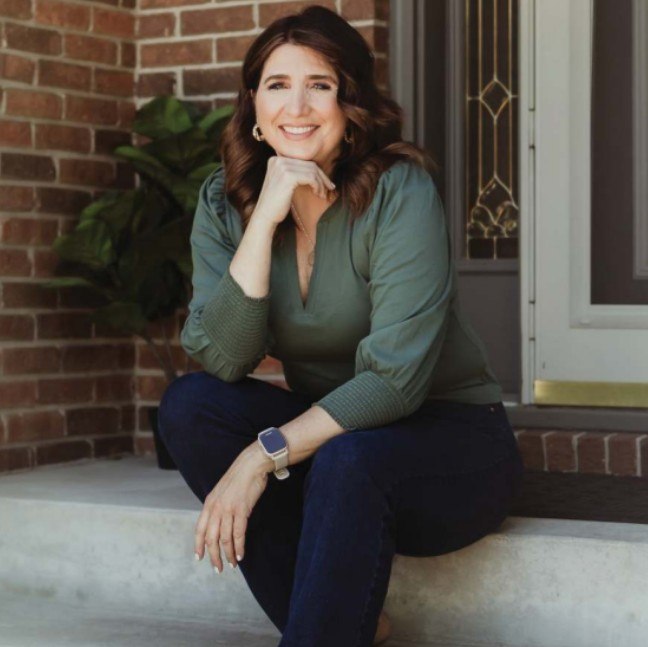
Please introduce your organization and describe the role you play in shaping its vision, culture, and long-term direction.
I serve as the Director of Talent Development at R.M. Chin & Associates, an engineering consulting firm. My role focuses on how people grow within the business. I shape systems around hiring, onboarding, performance, and career paths. I work closely with leadership to align talent strategy with business goals. Culture is built through consistency, not statements, so I focus on clear expectations, accountability, and development at every level.
How do you build teams and systems to execute that vision?
I start with structure. Clear roles, defined career paths, and measurable goals. We keep core HR functions in-house because culture and performance management require consistency. We use external partners for specialized areas like benefits or systems when needed. I prefer a hybrid model when it improves efficiency without losing control of outcomes.
How do you ensure your organization stands out in a competitive market?
We focus on execution. Many companies have similar ideas. Few implement them well. We build systems that employees actually use. For example, we restructured performance management and reached about a 90% completion rate. That level of adoption is what creates differentiation.
Which industries or communities do you feel most responsible for serving today?
I focus on professionals inside our organization and those entering the workforce. That includes engineers, project teams, and early-career talent. Over time, my focus has expanded to career development more broadly through panels and industry events.
What problems do people come to you with most often?
Most issues fall into three areas: unclear career paths, inconsistent performance management, and leadership development gaps. I prioritize problems where we can create structure and measurable improvement. If it cannot be implemented or sustained, it is not the right problem for us to solve.
How do you stay ahead of industry shifts?
I stay connected to trends through continuing education and industry engagement. I also learn from outside HR. I read books from coaches and athletes to understand discipline and mindset. The goal is not to chase trends but to apply what is useful.
What does long-term trust look like in your work?
It looks consistent. Delivering what we say we will do. Following through over time. Trust builds when systems work, and people see results. It is not built by a single initiative.
How do you define success and ensure your team delivers it?
Success is measured by outcomes. Are employees engaged? Are systems being used? Are leaders developing their teams? I track metrics like completion rates, feedback scores, and retention indicators. Accountability comes from visibility and follow-up.
What responsibility do you have after a project is complete?
Implementation is not the end. We monitor, adjust, and reinforce. Systems fail when they are not maintained. I stay involved to ensure adoption and long-term impact.
How do you approach pricing and value alignment?
I do not directly set pricing, but I think in terms of value. Every initiative should produce measurable results. If it does not improve performance, engagement, or efficiency, it needs to be reevaluated.
How do you balance accessibility with excellence?
Clear standards. Not everything can be done at once, but what we do implement must be done well. Fair value means the outcome justifies the investment of time and resources.
Have you ever said no to an opportunity?
Yes. If it does not align with business goals or cannot be executed well, I say no. Discipline is more important than volume. Not every opportunity leads to progress.
What challenges have shaped your leadership most?
Changing careers later in life was a major challenge. Moving from education into HR meant starting over. I had to rebuild credibility. That experience shaped how I lead. I understand what it means to adapt and learn under pressure.
How do you create space for innovation while maintaining focus?
Innovation comes from solving real problems. I do not pursue ideas without a clear use case. We test, measure, and scale what works. Focus comes from prioritization.
What role does culture play in performance?
Culture drives behavior. Behavior drives results. I model consistency, accountability, and work ethic. Those are not optional. They set the tone.
What impact do you want your work to have long-term?
I want to build systems that outlast individuals. Clear career paths, strong leadership pipelines, and consistent development processes. That creates stability and growth.
How has your leadership philosophy evolved?
It has become more practical. Early in my career, I focused on ideas. Now I focus on execution. What matters is what gets implemented and sustained.
Which trends or changes interest you most right now?
Workforce adaptability. The ability to navigate change. Roles are evolving quickly. People need to be able to adjust and continue learning.
What advice would you give to emerging leaders?
Focus on what you can control. Your effort, your discipline, your consistency. “Rarely does anyone outwork me,” and that mindset has made the difference in my career.
More REVERB Interviews
- Dan Champ — Founder
- Terence Cushing — Law Firm Partner
- Richard Bernstein — Michigan Supreme Court Justice
- Mitchell Seaworth — Photographer
- Bradley Hisle — Founder and Executive Leader
- Leonard Cagno — Partner
- Michael Pogue — Attorney
- Ariel N. Rad — Plastic surgeon specializing in facial aesthetics / co-founder