
Matthew Riley
Founder & Operator
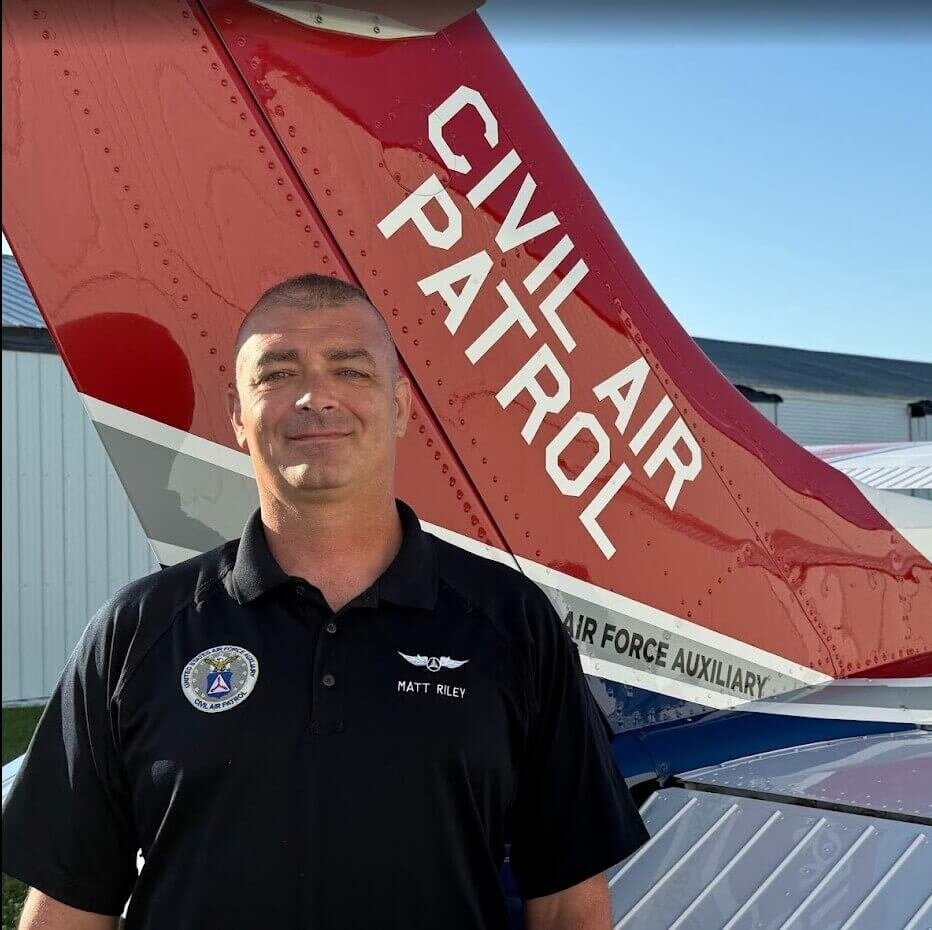
Please introduce your organization and describe the role you play in shaping its vision, culture, and long-term direction.
I run a group of businesses across construction, property management, aviation-related work, and a few other areas. I built most of it from the ground up or acquired it and improved the systems. My role is to set direction and remove friction. I focus on how work flows, where breakdowns happen, and how to fix them. Culture is simple. Show up. Do the work right. Fix problems early. That standard drives everything long-term.
How do you build teams and systems to execute that vision?
I start with the system, not the person. If the process is unclear, the hire won’t fix it. I document workflows first. Then I bring people in and train them to that standard. I keep core operations in-house where quality matters. I use outside partners for specialized or temporary work. Hybrid works best when roles are clearly defined.
From a leadership perspective, how do you stand out in a competitive market?
Consistency. Most people underestimate how rare it is. We do what we say, on time, without drama. On job sites and in business deals, that alone separates you.
Which industries or communities do you feel most responsible for serving today?
Construction and local property owners. Also, public service. My background in volunteer fire and dive teams shaped that. The focus hasn’t changed much. It just expanded as I built more capacity.
What problems do clients most urgently come to you with?
Breakdowns. Projects off track. Costs out of control. Poor communication. I step in where systems failed. If I can’t improve the system, I don’t take it on.
How do you decide which challenges to solve?
I look at whether I understand the mechanics. If I can map the process and control the risk, I’ll consider it. If not, I pass.
How do you stay ahead of industry shifts?
I stay close to the work. Job sites, equipment, and field conversations. Trends show up there first. Not in reports.
What does long-term trust with clients look like?
Repeat work without having to renegotiate trust each time. They call early, not after things break. That’s the signal.
How do you build that kind of relationship?
Clear expectations. No surprises. Document everything. Deliver what was agreed. Then follow up.
How do you define success for your clients?
The job works as intended. Costs stay within plan. Timeline holds. No rework.
How do you hold your team accountable?
Checklists and reporting. If it’s not written down, it didn’t happen. Everyone knows what they own.
What responsibility do you have after a project is complete?
Make sure it holds up. I don’t disappear after delivery. If something fails, I want to know why.
How do you approach pricing and value alignment?
Price reflects the risk and the work required. I don’t underprice to win. That creates problems later.
How do you balance accessibility with excellence?
I don’t try to be everything for everyone. I focus on clients who value structure and reliability. That keeps standards high.
What does fair value mean to you?
Both sides can sustain the relationship. If one side is strained, it won’t last.
Have you ever said no to an attractive opportunity?
Yes. Many times. If the system is unclear or the expectations don’t match reality, I walk away.
What principles guide that decision?
Control, clarity, and risk. If those aren’t in place, it’s not worth it.
What challenges have shaped you as a leader?
Scaling too fast early on. I assumed systems would hold. They didn’t. I had to step back and rebuild the structure.
How did that change your approach?
I slow down the expansion. Build the system first. Then grow.
How do you create space for innovation
By locking down routine work. When operations are stable, you have room to test new ideas.
What role does culture play in performance?
It sets the baseline. If people cut corners, performance drops fast.
What behaviors do you model?
Consistency. Showing up prepared. Following the same standards I expect from others.
Looking ahead 5–10 years, what impact do you want to have?
Stronger systems that last. Businesses that don’t depend on one person. And continued involvement in service work.
How has your leadership philosophy evolved?
Early on, I focused on output. Now I focus on the process. Output follows process.
Which experiences shaped that the most?
Trades, fire service, and aviation. All three punish poor preparation.
Which shifts excite you right now?
Better training access in the trades. More people are seeing it as a real path.
What advice would you give emerging leaders?
Learn one thing deeply before expanding.
What is one lesson that changed how you view leadership?
You don’t rise in pressure. You fall back on your systems.
More REVERB Interviews
- Clayton Fields — Go-to-market Professional
- Michael Griffin — CEO and Chairman
- McLaren Charlotte — Operations Manager
- Travis Gartner — Managing Director
- Constantine Koliopoulos — Business Strategist
- Sir Patrick Bijou — Founder and Chairman
- Steve Valdiserri — Founder
- Joseph Leggs — The Craftsman Behind Precision Performance